
Lieferung heute & morgen

Qualitätsgarantie

Willkommens-Angebote freischalten: KOSTENLOSE Lieferung | Bis zu 80 % RABATT | Kostenlose 30-Tage-JoyPlus-Testphase
App herunterladen
Choosing the first infant car seat is one of the most important decisions for expectant parents. The market is filled with a multitude of models, standards, and features, which can make it difficult to navigate. As your Joybuy Product Recommendation Officer, I'm here to help you separate the essential facts from marketing promises and make an informed decision. In this guide, we'll focus on the most common pitfalls and the crucial criteria for safety and practicality.
An impulsive decision can not only be costly but also unnecessarily complicate daily use. Watch out for these three typical problems:
To avoid the pitfalls mentioned above, you should focus on three objective core parameters. These form the basis for a safe and practical choice.
Your child's safety is the top priority. Currently, there are two relevant approval standards for child car seats in Europe: the older ECE R44/04 and the newer, stricter i-Size standard (UN R129).
The method of installation in the car affects both safety and daily convenience.
A modern infant car seat for newborns is more than just a car seat. As part of a travel system, it can be attached to a stroller frame using a suitable adapter. This is especially practical for short errands, as a sleeping baby does not need to be disturbed. Also, look for ergonomic features like a lie-flat position, which allows for a healthier posture for the baby's back when used outside the car.
Based on the criteria above, we have identified several products that represent a smart choice for different user profiles and their requirements.
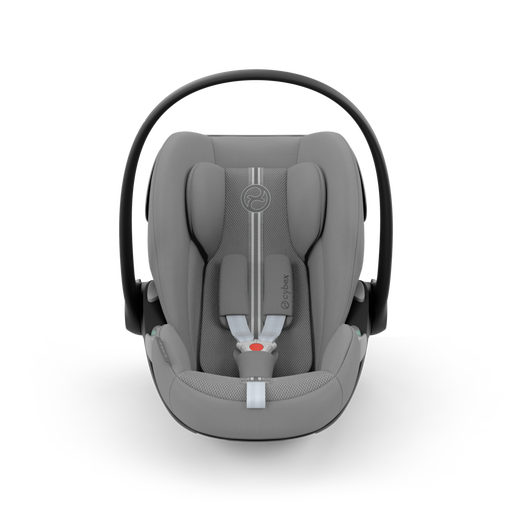
Why This Fits Their Persona: This model is aimed at parents who prioritise high safety standards and maximum comfort. Its compatibility with the Base G enables a 180° rotation function for easy entry and exit.
Sidesteps the short-lifespan trap with its ergonomic lie-flat position and modular system, which can be used with the follow-up Sirona G i-Size seat until the child is 4 years old.
Meets the strict i-Size standard. The lie-flat position protects the baby's back, especially on longer journeys in the stroller. The Plus version also offers enhanced breathability.

Why This Fits Their Persona: This set offers solid, i-Size-tested safety features at an accessible price point. It is ideal for parents looking for a reliable and straightforward solution to get started.
Prevents the compatibility trap by allowing installation with both an Isofix base (sold separately) and the vehicle's 3-point belt. This creates flexibility for use in different cars.
Meets the i-Size standard UN ECE R129-03. Its low weight of 4.4 kg makes it easy to carry. The grow-with-me function, featuring an adjustable headrest and removable newborn insert, ensures a longer period of use.
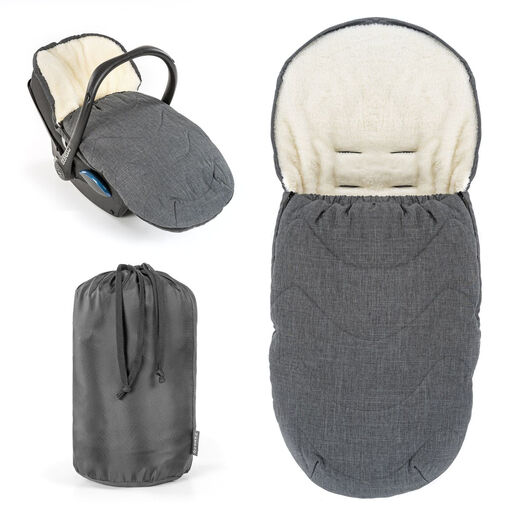
Why This Fits Their Persona: This product is for parents who think beyond just the car seat and want to keep their baby comfortable and protected in any weather. It's a prime example of a smart infant car seat accessory.
Solves the accessory oversight problem by offering a universal and well-designed solution. Its fit for both 3- and 5-point harness systems makes it compatible with most infant car seats and strollers.
The footmuff for the infant car seat is a 2-in-1 solution: it provides warmth in winter, and in milder temperatures, the top part can be removed to use the base as a seat liner. The material is water-repellent and machine-washable.
We have compiled a complete, up-to-date list of products that fully meet these strict selection criteria and German safety regulations.
1. How long can a baby stay in an infant car seat? The general recommendation is not to transport a newborn in an infant car seat for more than two hours at a time. The slightly curved posture can affect breathing and spinal development. For longer journeys, it's important to take breaks where the baby can lie flat. Models with a lie-flat function offer a clear advantage here, especially when used on a stroller.
2. What is the difference between a Group 0+ car seat and an i-Size infant car seat?Group 0+ (according to ECE R44/04) is designed for babies weighing up to 13 kg. An i-Size infant car seat (according to UN R129) is based on height (e.g., 40-87 cm). The main difference lies in the testing criteria: i-Size includes a mandatory side-impact test and requires a longer period of rear-facing travel, which is considered safer.
3. Do I need an Isofix base for every infant car seat? No. Many infant car seats, especially those compatible with an Isofix base, can also be secured with the vehicle's 3-point belt as an alternative. This offers flexibility if the seat needs to be used in different cars (e.g., the grandparents' car) without Isofix anchors. However, a base station increases safety by reducing installation errors and significantly enhances everyday convenience.