
Lieferung heute & morgen

Qualitätsgarantie

Willkommens-Angebote freischalten: KOSTENLOSE Lieferung | Bis zu 80 % RABATT | Kostenlose 30-Tage-JoyPlus-Testphase
App herunterladen
Choosing the right infant formula can be a daunting task for expectant and new parents. The shelves are filled with products, all promising optimal development. But behind the marketing messages often lie pitfalls that can lead to confusion and incorrect purchases. As your Joybuy Product Recommendation Officer, I'm here to help you separate fact from fiction and make an informed decision for your child.
An important note beforehand: Breastfeeding is the natural and recommended way to nourish infants. The use of infant starter formula should only be considered after consulting with a midwife, paediatrician, or nutrition advisor.
Before we dive into the details, let's clear up two common misconceptions that often lead to uncertainty:
To make a well-founded decision, you should focus on two essential criteria: the correct age stage and the composition of the ingredients.
The numbering on baby milk packaging is not a mark of quality but a guide for the child's age and developmental stage.
Starter Milk (PRE and 1): For the First Few MonthsPRE formula is the most similar to breast milk. Its only carbohydrate is lactose (milk sugar), and it can be fed on demand, just like breast milk. It is suitable for the entire first year of life. Stage 1 starter milk, in addition to lactose, often contains a small amount of starch to make the formula creamier. It is also recommended from birth.
Follow-on Milk (2 and 3): For the Weaning AgeStage 2 follow-on milk is intended for infants after the 6th month and serves as part of a mixed diet that includes complementary foods. Its composition is adapted to the nutritional needs of older infants, for example, with a higher iron content. Stage 3 follow-on milk is designed for babies from the 10th month onwards but is not strictly necessary if the child is already eating well at the family table.
Toddler Milk (from 1 or 2 years): For ToddlersToddler milk from 1 year is not a meal replacement but a milk drink tailored to the needs of toddlers. Compared to cow's milk, it often has a reduced protein content and is fortified with vitamins and minerals like iron and Vitamin D.
The EU regulation for infant formula ensures that all products sold in Europe provide a safe and nutritious base. Nevertheless, differences exist.
Protein Source: Standard vs. HA Formula Most formulas are based on cow's milk protein. HA formula (hypoallergenic formula) contains hydrolysed protein, meaning it's broken down into smaller components. This can reduce the risk of allergies in predisposed children. Important: HA formula is for prevention, not for treating an existing cow's milk protein allergy.
Carbohydrates and Fats: Lactose, Starch, and Oils As mentioned, lactose is the primary carbohydrate in PRE formulas. The addition of starch in Stage 1 or 2 can increase satiety. Regarding fats, the addition of LCPs like DHA (docosahexaenoic acid) for brain and vision development is legally required. Some parents prefer products without palm oil. Manufacturers use other vegetable oils instead. The safety of all approved oils is guaranteed by strict controls.
Here are some product recommendations tailored to different requirements and life stages.
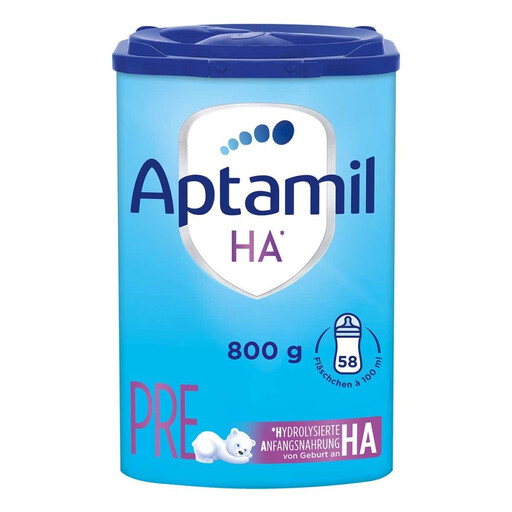
Why it's a good fit: Specially developed for a sensitive start from birth, for families with a history of allergies where breastfeeding is not possible or is being supplemented.
It offers a targeted solution with hydrolysed (gently broken down) protein, rather than relying on vague marketing promises. The clear PRE labelling prevents confusion with follow-on milk.
Contains gently broken-down protein and is suitable as a sole source of nutrition or for supplementing from birth.
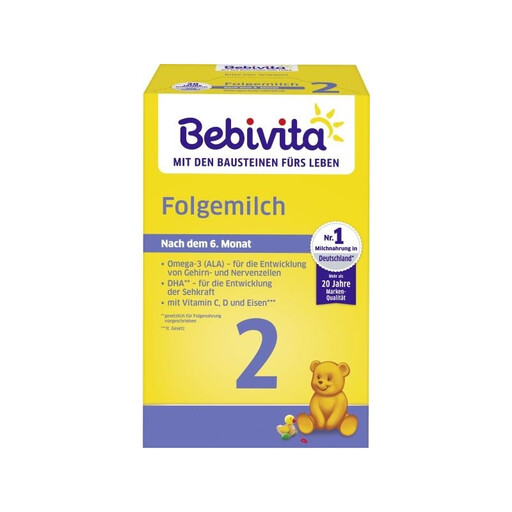
Why it's a good fit: Ideal for parents looking for a reliable and affordable supplement to solid foods after the 6th month, which meets all legal standards.
Clearly labelled as a Follow-on Milk 2 for the weaning stage. The formula focuses on legally required nutrients without costly extras whose benefits are not always clear.
Provides all essential nutrients for the weaning period, including iron and Omega-3 fatty acids (ALA), at an accessible price point.
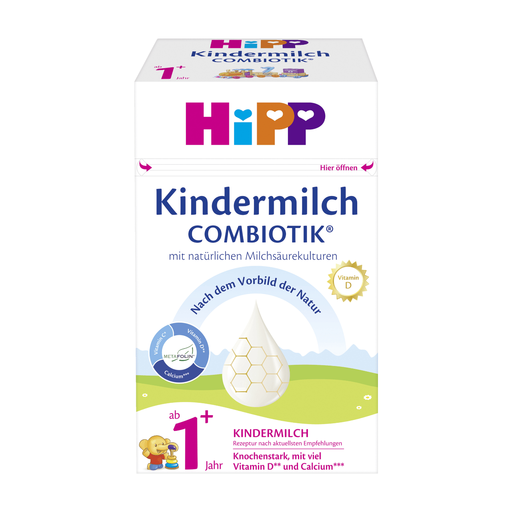
Why it's a good fit: Perfect for transitioning from infant formula to a milk drink adapted to the nutritional needs of mobile toddlers.
It is explicitly designed as a Toddler Milk, preventing the inappropriate use of infant formula for older children. The age-appropriate reduced protein content addresses the changing needs of toddlers.
Age-appropriate protein content and fortified with Vitamin D and calcium to support bone development in active toddlers.
We have compiled a complete, up-to-date list of products that fully meet these strict selection criteria and European safety regulations.
PRE starter formula can be given throughout the entire first year of life as the sole milk source or as a supplement to breastfeeding and, later, to complementary foods. Since it only contains lactose, like breast milk, it can be fed on demand. A switch to a different stage is not strictly necessary.
The main difference lies in the carbohydrates. While PRE formula contains only lactose, Stage 1 starter milk may also contain easily digestible starch. This can make the formula slightly creamier and may lead to longer satiety for some babies.
Yes, several manufacturers offer palm oil-free recipes. Instead, they use blends of other vegetable oils such as sunflower, rapeseed, or coconut oil to achieve a fatty acid profile that closely resembles that of breast milk. All fats and oils approved for use in infant formula in the EU are subject to strict quality and safety controls. An example of such a recipe is the Aptamil Profutura line.