
Lieferung heute & morgen

Qualitätsgarantie

Willkommens-Angebote freischalten: KOSTENLOSE Lieferung | Bis zu 80 % RABATT | Kostenlose 30-Tage-JoyPlus-Testphase
App herunterladen
Choosing the right infant formula is one of the most important decisions for expectant and new parents. The market offers a vast array of options, but the differences are often hidden in the details. False assumptions or confusing marketing terms with nutritional information can lead to an unsuitable choice. This guide will help you understand the essential criteria and make an informed decision for your child.
As your Joybuy Product Recommendation Officer, my mission is to provide objective and practical information to help you find the perfect baby milk for your needs.
Before we dive into the selection criteria, it's helpful to clear up two common misconceptions that can arise when choosing a product.
palm oil-free) are not always considered. A thorough review of the ingredients list is essential.To find the right infant formula, you should check two fundamental parameters. These will help you compare products objectively.
The number on the packaging isn't just for marketing; it's a crucial indicator of the formula's composition.
The ingredients list provides valuable clues about the quality and suitability of a baby milk.
palm oil-free): The fat composition is an important quality marker. Some parents prefer products without palm oil. Manufacturers often use a blend of sunflower, rapeseed, and coconut oil instead.Instead of making a blanket recommendation, we have selected products for different requirement profiles.
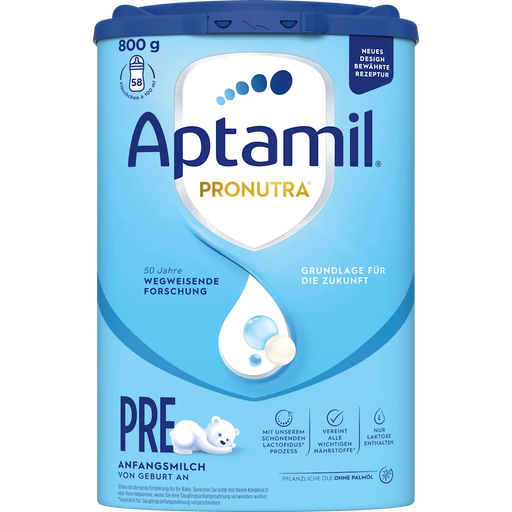
Why it's a great fit: Ideal for parents looking for a sole or supplementary bottle-feed from birth. The composition is specially designed for the nutritional needs of newborns and can be fed on demand.
This product is a pure pre-stage formula, thus avoiding the 'one-size-fits-all' mistake. It contains only lactose as a carbohydrate and is clearly declared for the first phase of life.
Contains a combination of nutrients, including the GOS/FOS fibre blend and LCPs (DHA and ARA), tailored for newborns.
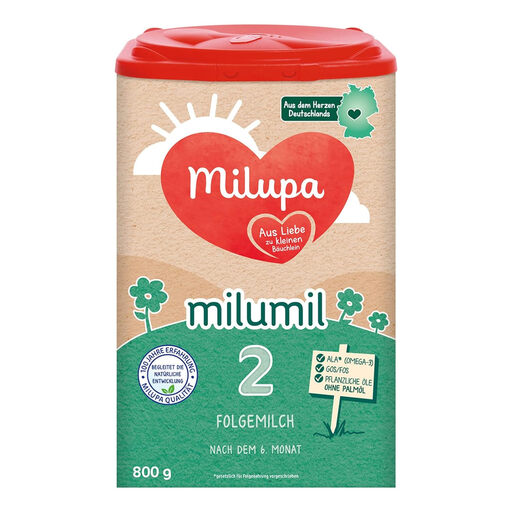
Why it's a great fit: Developed for babies after the 6th month as a complement to solid foods. It is aimed at parents who value a palm oil-free recipe and are looking for a reliable follow-on milk.
The clear "Follow-on Milk 2" label prevents confusion with first infant milk. The product description highlights the palm oil-free recipe, enabling a conscious decision based on ingredients.
Combines a GOS/FOS fibre blend with vitamins C & D to support the normal function of the immune system.
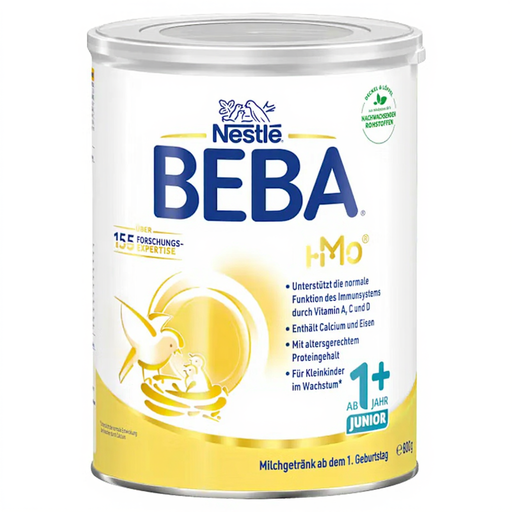
Why it's a great fit: This toddler milk is tailored to the nutritional needs of toddlers from 12 months. It serves as a complement to a varied diet and has an age-appropriately adjusted protein content.
The clear age specification "from 12 months" unambiguously positions the product as a toddler milk, not an infant formula. The benefits are based on verifiable ingredients like vitamins, not vague marketing claims.
According to the manufacturer, it contains vitamins A, C, and D, which contribute to the normal function of the immune system. The recipe is also palm oil-free.
We've compiled a complete, up-to-date list of products that meet these strict selection criteria and legal regulations.
Most manufacturers recommend using the contents of an opened pack within three to four weeks. It is crucial to store the powder in a cool, dry place and to close the tin tightly after each use. This prevents contamination and preserves the quality of the nutrients. Always follow the specific instructions from the manufacturer on the packaging.
Switching is generally possible but should be done thoughtfully. Every baby milk has a slightly different composition, taste, and consistency. Some babies may react to a change with digestive issues. It is often recommended to introduce the new formula gradually, for example, by replacing one bottle feed per day with the new product. Consulting your paediatrician or midwife before making a switch is advisable.
Yes, for infants, it is essential to use freshly boiled drinking water to prepare infant formula. Allow the water to cool to the temperature specified by the manufacturer (usually around 40–50 °C) before mixing it with the powder. This procedure ensures that any potential germs in the water are killed, while heat-sensitive nutrients in the baby milk powder, such as certain vitamins or natural lactic acid cultures, are not destroyed.