
Lieferung heute & morgen

Qualitätsgarantie

Willkommens-Angebote freischalten: KOSTENLOSE Lieferung | Bis zu 80 % RABATT | Kostenlose 30-Tage-JoyPlus-Testphase
App herunterladen
When temperatures rise, there's little that children enjoy more than playing in and around water. But the selection of water toys is vast, and not every product lives up to its promise. Before you invest, it's helpful to know the common pitfalls that often lead to disappointment and unnecessary expense. This guide will help you make informed decisions.
Many products look appealing at first glance but only reveal their weaknesses with use. Pay special attention to these three points:
To avoid a bad buy, you should check a few technical features before making a decision. These provide insight into quality, safety, and durability.
The most critical factor for safe toys is the material. For plastic products, look for the EN 71 certification. This European standard regulates toy safety and ensures that no harmful substances are present in dangerous quantities. For inflatable toys, the material thickness (often specified in millimetres) is also an indicator of robustness. Thicker vinyl is more resistant to tears and punctures.
The construction is crucial for both function and safety. In inflatable water toys, multiple separate air chambers provide additional stability. If one chamber loses air, the toy will remain afloat thanks to the others.
Equally important is the manufacturer's age rating. A sand toy set is suitable for toddlers from around one year of age and helps develop motor skills. A large bouncy castle with a water slide, on the other hand, requires more coordination and is designed for older children. Selecting the right garden toy based on the age recommendation prevents frustration and accidents.
To help guide your choice, we have matched several products to different user profiles.
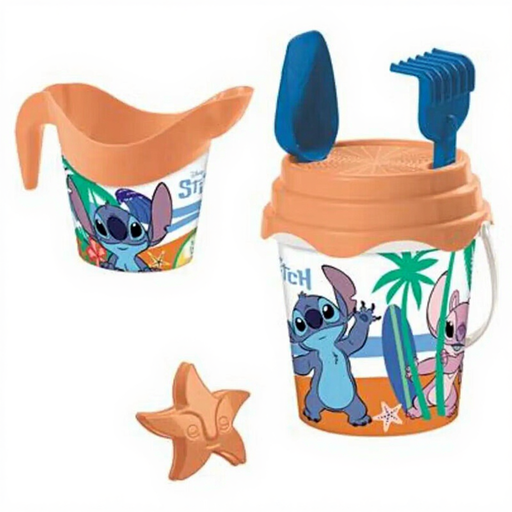
Why this product is a good fit: This sand toy set is ideal for toddlers from 10 months old. It's lightweight, compact, and includes all the basic tools (bucket, spade, rake, moulds) to encourage creativity in the sandbox or at the beach.
The set is made of durable plastic with no sharp edges. As a classic beach toy, it has a clear purpose and doesn't create false expectations about its size or function.
A complete, six-piece set with a low weight of just 210 grams, making it easy to transport.
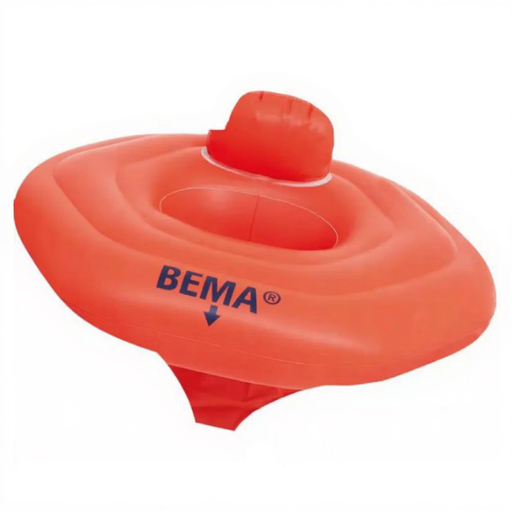
Why this product is a good fit: This swim seat is designed for infants up to 11 kg and allows for a safe and comfortable first experience in the water under supervision. It is a classic swimming aid for children.
The product carries the T?V Rheinland and GS mark certifications, confirming compliance with strict safety standards. It is clearly communicated that it does not protect against drowning.
Four independent air chambers and additional safety straps provide enhanced stability and security in the water.
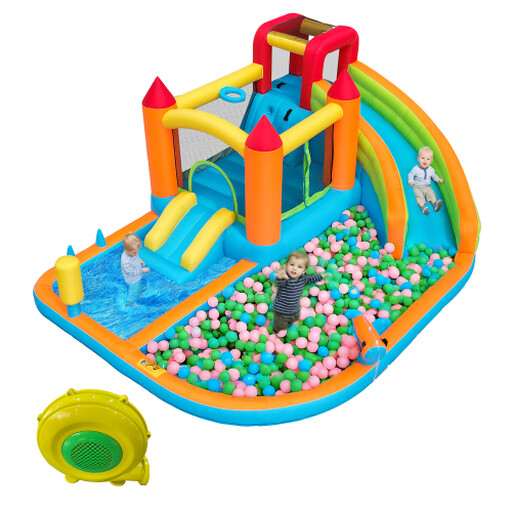
Why this product is a good fit: This bouncy castle with a water slide transforms the garden into a private water park. It is designed for multiple children and offers long-lasting fun with its slide, trampoline, and pool area.
The product is made from tear-resistant, waterproof Oxford fabric, which is significantly more durable than thin PVC. It is professionally certified according to EN-71, ensuring material safety.
Multifunctional for both wet and dry use, making it suitable for all seasons. The included 450W blower ensures a quick setup in just a few minutes.
We have compiled a complete, up-to-date list of products that fully meet these strict selection criteria and safety regulations.
1. How do I properly maintain a bouncy castle with a water slide? To prevent mould growth and material damage, the bouncy castle should be completely air-dried after each use before being folded and stored. If necessary, clean the surfaces with a mild soap solution and clear water. Store it in a dry place, protected from direct sunlight.
2. What is the difference between a swimming aid and a life-saving device? A swimming aid for children, such as armbands or a swim seat, is only intended to assist with learning to swim and getting used to the water. It provides buoyancy but does not prevent drowning and always requires the immediate and constant supervision of an adult. A life-saving device (e.g., a life jacket) is designed to keep a person's head above water, even if they are unconscious.
3. From what age is a sand toy set useful? Simple sand toy sets are suitable for children from around 12 to 18 months old. At this age, they begin to grasp objects purposefully and develop their motor skills. Playing with sand, water, moulds, and spades promotes sensory perception and hand-eye coordination.