
Lieferung heute & morgen

Qualitätsgarantie

Willkommens-Angebote freischalten: KOSTENLOSE Lieferung | Bis zu 80 % RABATT | Kostenlose 30-Tage-JoyPlus-Testphase
App herunterladen
As a Joybuy Product Recommendation Officer, I see every day how diverse the toy market is—and how overwhelming the choice can be. Even with a product as simple as a play ball, there are a surprising number of pitfalls. A ball that deflates after just a few days, or a model that's unsuitable for a child's motor skills, can quickly lead to frustration instead of fun.
This guide will help you navigate the common marketing traps and make an informed decision. We focus on the objective criteria that truly matter, so you can find the right play ball for every age and occasion.
Before we look at the solutions, it's important to understand the problems. Many purchases turn into disappointments for these three reasons:
To avoid a bad purchase, you should focus on three core parameters. These will help you objectively assess the quality and suitability of a play ball.
Safety is the most important criterion. Look for the CE marking, which confirms that the product complies with EU regulations. Even more specific is the EN 71 series of standards, which governs the safety of toys. Among other things, it ensures that no harmful substances are present in dangerous quantities.
A child's motor skill development happens in stages. The ideal ball actively supports each phase.
Not every ball is suitable for every location. Before buying, consider where the ball will be used most often.
Based on the criteria above, we have selected a few products from our range that are suited for specific profiles and needs.

Why It's a Perfect Match: Ideal for infants from 0 months who are beginning to develop their motor skills. Its light weight and flexible structure are perfect for small, still-uncoordinated hands.
The patented design with 32 holes is specifically tailored to a baby's ability to grasp, thus avoiding the trap of an unsuitable, frustrating toy. The material is durable and safe.
Extremely lightweight and easy to grip; specifically promotes fine motor skills; easy to clean.

Why It's a Perfect Match: Perfect for toddlers who are crawling and exploring their surroundings. The ball is versatile enough for use on a play mat or as a bath toy, sparking curiosity.
Its dual function as both a land and water toy provides long-lasting play value and prevents it from becoming uninteresting after a short time. The robust, waterproof design prevents material fatigue.
Encourages crawling and movement; floating duck and confetti provide visual stimulation; made from BPA-free plastic.
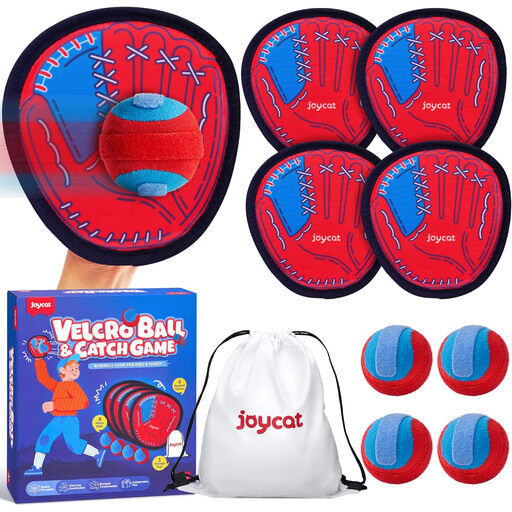
Why It's a Perfect Match: For families and friends looking for a simple yet engaging outdoor game. It's suitable for various age groups and encourages interaction.
This set is more than just a ball. It's a complete game that avoids the "quickly becomes boring" trap of a single ball. The adjustable hand straps make it usable for both children and adults, increasing its longevity.
Promotes hand-eye coordination; designed for group play; includes a convenient storage bag.
We've compiled a complete, up-to-date list of products that fully meet these strict selection criteria and EU safety regulations.
1. How do I clean play balls properly? The cleaning method depends on the material. Smooth plastic balls can be simply wiped with a damp cloth and mild soap. Fabric balls, like the Chicco Music Ball, often have removable electronic components, allowing the fabric cover to be machine washed. Always read the manufacturer's care instructions to ensure the product's longevity.
2. What should I look for regarding the safety of play balls? Look for the CE marking and, if possible, a reference to compliance with the EN 71 toy safety standard. For children under three, the ball must not contain any small parts that can be swallowed or consist of parts that could detach. A robust, non-toxic plastic (e.g., declared as phthalate-free) is especially important for balls intended for the youngest children.
3. From what age is a hopper ball suitable? A hopper ball is generally recommended for children aged three and up, as their sense of balance and body coordination are sufficiently developed by this age to use it safely. Be sure to pay attention to the manufacturer's size and weight recommendations. The John Unicorn Hopper Ball, for example, is designed for a body weight of up to 50 kg.