
Lieferung heute & morgen

Qualitätsgarantie

Willkommens-Angebote freischalten: KOSTENLOSE Lieferung | Bis zu 80 % RABATT | Kostenlose 30-Tage-JoyPlus-Testphase
App herunterladen
An inflatable travel pillow may initially seem like a straightforward purchase: inflate it, use it and pack it away again. In practice, however, models vary considerably in terms of their valve, material, support shape and packed size. This applies equally to commuters on trains, campers, festivalgoers and air travellers.
If you focus only on a low price or an especially compact pack size, you can easily overlook important details. Three common purchasing pitfalls are:
An inflatable neck pillow with a conventional mouth valve can be used independently of electricity or accessories. Models with an integrated pressure or pump function may, on the other hand, be more hygienic and comfortable to use. The key considerations are whether the firmness can be finely adjusted and whether the valve closes securely after inflation.
With a camping pillow featuring a one-way valve, you should also check how the air can be released fully. A non-return valve can prevent air from escaping while the pillow is being inflated. For longer journeys, choose a model whose valve is easy to operate even with cold hands or limited space.
For outdoor use, polyester, nylon and a TPU inner layer are commonly used materials. A water-repellent or easy-wipe surface is practical when camping, but it does not replace thorough drying. All moisture should be removed completely before packing the pillow away.
Flocked surfaces feel softer, but may be more susceptible to dirt and sharp objects. For a foldable travel pillow, cleaning and storage instructions are therefore among the relevant product details. Machine washing or prolonged soaking is not suitable for many inflatable pillows.
A classic travel neck support pillow is designed to limit head movement in a seated position, while a rectangular camping pillow can also be used as a head or back support. For the office, car or aeroplane, a compact U-shape is often easier to position. When camping, a larger pillow approximately 30 cm wide can offer greater freedom of movement.
If you are looking for lumbar support or an inflatable seat cushion, you should not automatically choose a neck model. Seat and back supports require a different shape and should sit securely on the seat. When using a pillow in a travel bed or on an air mattress, width, height and stability are also more important than achieving the smallest possible pack size.
The following products have been selected according to specific usage profiles and the stated product data. This selection is not a medical recommendation.
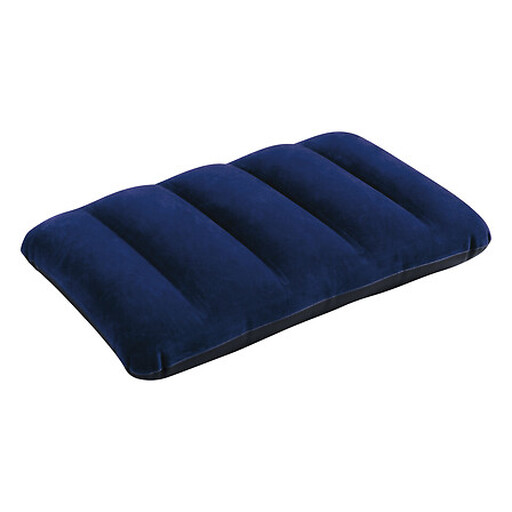
Why this product suits the profile: Measuring 43 × 28 × 9 cm, with simple inflation by mouth or pump, it is suitable for occasional trips, visits to the beach and camping.
The precise dimensions, a safety valve and cleaning instructions are provided. This makes it easier to assess whether the pillow is right for you before buying.
Flocked surface, water-repellent PVC and compact folding after deflation.
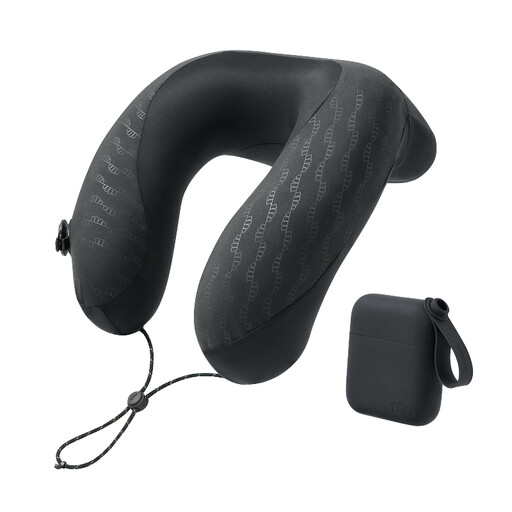
Why this product suits the profile: The adjustable inflation and ergonomic design are aimed at users who want to customise their seating position on a plane, in a car or on a train.
According to the product information, the inflation function works through pressure without a mouthpiece. This reduces the number of additional parts and allows the firmness to be adjusted.
Polyester, nylon and TPU layers, compact folding and, according to the stated specifications, an airtight and adjustable design.
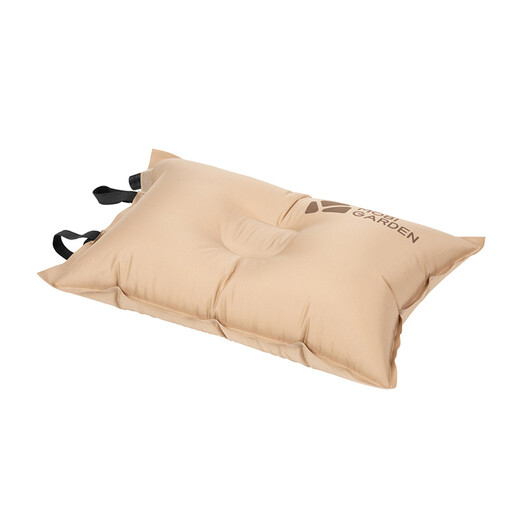
Why this product suits the profile: For camping, outdoor trips and breaks at the office, the combination of a usable size of 50 × 32 cm and a weight of around 260 g is practical.
The stated packed size of 30 × 10 × 5 cm makes the space required easy to understand. The one-way valve supports both inflation and deflation.
Water-repellent, wipe-clean cover, suitable for use as a head, lumbar or back support.
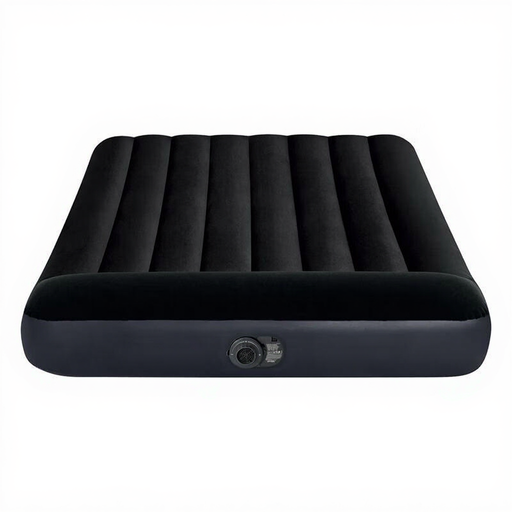
Why this product suits the profile: Anyone looking for a travel bed, guest mattress or air bed with a pump gets a larger sleeping surface for two people.
The maximum load of 272 kg, the dimensions and the electric pump are clearly specified. This makes the intended use clearer than general comfort claims.
Integrated 220–240-volt pump, approximately 25 cm high and a stated inflation time of around three minutes.
We have put together a complete, regularly updated list of products that fully meet these strict selection criteria and the safety regulations applicable in the EU.
An inflatable pillow will last longer if it is not used on rough surfaces, next to sharp edges or near an open flame. The surface should be dry and clean before the pillow is stored away. Harsh cleaning products can damage coatings and valves.
With an air bed featuring a pump, you should also pay attention to the power supply and keep it away from water. The stated maximum load must not be exceeded. After prolonged storage, inspect the seams, valve and surface. Depending on what is included, minor damage can be treated with a repair patch.
Fully unroll the pillow on a clean, level surface. Then open the valve and inflate the model according to the instructions. With pressure or one-way valves, inflation is carried out by repeated pressing or with a hand pump. Do not inflate the pillow to the maximum possible firmness; instead, adjust it to suit your sitting or lying position.
How long it retains air depends on the material, valve, temperature, load and storage conditions. Slight top-ups may be necessary, particularly when temperatures fluctuate. A leak should not be permanently covered with adhesive tape; suitable repair materials used according to the manufacturer’s instructions are a better option.
For use in a car, office, at a festival or when camping, an inflatable seat cushion can offer advantages thanks to its compact pack size. However, it cannot replace every standard seat cushion. Before buying, check the shape, dimensions, valve position and intended use. For neck support, a suitable inflatable neck pillow is the more appropriate type of product.