
Lieferung heute & morgen

Qualitätsgarantie

Willkommens-Angebote freischalten: KOSTENLOSE Lieferung | Bis zu 80 % RABATT | Kostenlose 30-Tage-JoyPlus-Testphase
App herunterladen
An infrared thermometer can make checking temperatures at home easier, especially when a baby is asleep or a child becomes unsettled during a measurement. However, digital models vary considerably in terms of measurement method, operation, memory function and intended use. A quick reading alone therefore says little about whether a device is right for your daily routine.
A contactless thermometer usually measures from a specific distance from the forehead. Even a difference of a few centimetres, a warm blanket, sweaty skin or a cold room can affect the result. Clear guidance on the measurement distance, a steady position and proper preparation are therefore important.
A forehead thermometer should also not be used immediately after being outdoors, having a bath or taking part in physical activity. Follow the instructions for use and repeat any unusual readings under controlled conditions.
A device with an object mode may also display the temperature of milk, bath water, food or the room. This is practical, but it does not replace a suitable method for measuring body temperature. Measuring the surface temperature of a liquid is also not the same as measuring the temperature inside a bottle.
A fever alert uses a preset threshold. Depending on the model, this value may be fixed or adjustable. An audible or colour-coded signal is therefore intended only as a guide. If you are unsure, notice unusual behaviour or experience a persistently elevated temperature, seek medical advice.
Depending on the situation, a ear thermometer, forehead thermometer or classic digital thermometer may be suitable for babies and toddlers. An ear thermometer such as the Chicco model measures inside the ear using a small probe. With an infrared forehead device, the measurement is taken without contact.
Check the following:
A sensor with distance detection can help you position the device correctly in front of the forehead. With other models, you need to maintain the distance yourself. A clear display, short measurement time and easy-to-understand instructions are more important in everyday family life than a long list of additional functions.
If several people use the device, the measurement method should remain as consistent as possible. Different measurement sites can produce different readings and cannot necessarily be compared directly.
A memory function helps you compare previous readings. Depending on the model, the capacity may range from seven to 35 measurements, for example. A silent thermometer is useful when you do not want to disturb a sleeping child. Also check whether the alarm is audible, visual or vibration-based.
In households with children, a clearly readable display, automatic switch-off and safe battery handling are also important. Button cells and AAA batteries must always be kept out of children’s reach.
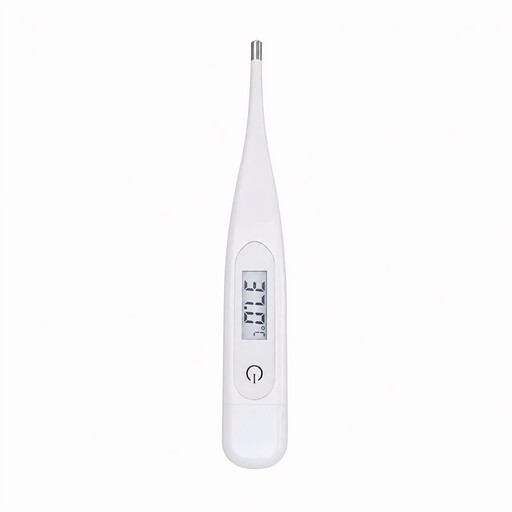
Why this product suits the profile: This compact digital thermometer focuses on classic body-temperature measurement, making it a straightforward essential for the home.
It does not promise a range of unnecessary measurement modes. The product details specify a measurement range of 32.0 to 42.9 °C, readings in 0.1 °C increments and a fever tone.
Mercury-free pen format, °C/°F switch and LR41 battery.

Why this product suits the profile: This model combines contactless and contact forehead measurement with positioning guidance. It is therefore suited to families who value guided operation.
The PositionCheck function, with target light, distance sensor and on-screen guidance, addresses the common problem of using the wrong measurement distance. Silent mode reduces signal tones when children are asleep.
3-in-1 measurement for body, liquids and food, plus a colour-coded display.
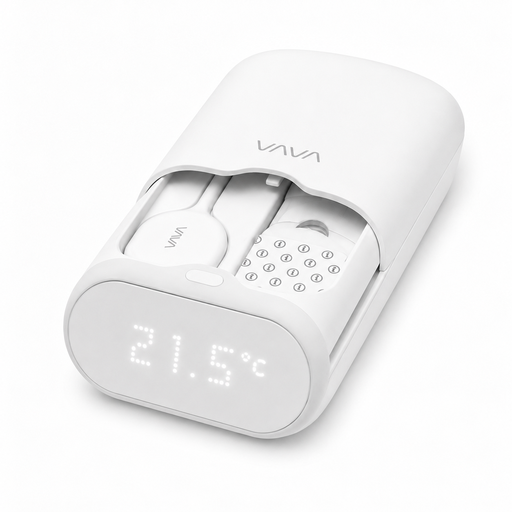
Why this product suits the profile: The wearable underarm sensor sends readings to a separate LED display and is designed for longer monitoring periods while resting at home.
It is not used as a quick forehead measurement, but as an ongoing guide. Alerts for a loose sensor, connection loss and low battery make the device status easy to see.
Up to 24 hours of sensor operation, separate display and no app, account or Wi-Fi required.
We have put together a complete, regularly updated list of products that fully meet these strict selection criteria and the safety regulations applicable in the EU.
Before using the device for the first time, read the instructions and allow it to adjust to room temperature. The forehead should be dry and free from hair. Maintain the specified distance and, if necessary, take two readings under conditions that are as similar as possible.
The casing of an infrared thermometer must generally not be immersed in water. The sensor and lens should be kept clean and free from dust. An object mode is useful for measuring the temperature of milk and bath water, but the reading should always be checked carefully again before the device comes into contact with a baby. Batteries must be kept away from children and disposed of in accordance with local requirements.
Position the device in front of the forehead as instructed. After being outdoors or having a bath, wait a few minutes and avoid taking readings on damp skin. If unusual readings occur repeatedly, using a second measurement method may be advisable.
Its service life depends on the batteries, sensor, cleaning and proper storage. Automatic switch-off helps preserve battery life. If the probe is damaged, the display is unclear or the device malfunctions, stop using it.
According to the product details, some models are intended for use from birth. The manufacturer’s approval, correct positioning and careful handling are crucial. Do not force the measurement if there is pain, a damaged probe or resistance. If you have any health concerns, consult a medical professional.