
Lieferung heute & morgen

Qualitätsgarantie

Willkommens-Angebote freischalten: KOSTENLOSE Lieferung | Bis zu 80 % RABATT | Kostenlose 30-Tage-JoyPlus-Testphase
App herunterladen
An inhaler can be a practical addition to home respiratory care when an inhalation solution is to be used on medical or pharmaceutical advice. For families, older people and anyone who needs to inhale regularly, however, a low price is not the only consideration. The design, cleaning requirements, power supply and available accessories all determine whether the device is genuinely practical for everyday use.
As a Joybuy Product Recommendation Officer, I filter product information according to transparent criteria and match it to different usage scenarios. Please note: a nebuliser is not a substitute for a diagnosis or medical treatment.
Specifications such as MMAD 3 µm or a high proportion of small aerosol particles may initially appear meaningful. However, they do not by themselves indicate whether a device is suitable for every person or application. What matters is whether the particle size, nebulisation rate and intended medicine are compatible. Medicines and solutions should only be used in accordance with the package leaflet or a doctor’s instructions.
A compressor nebuliser requires a pump and therefore produces operating noise. A figure such as 57 dB, for example, does not mean that the device operates silently. Mesh nebulisers can be quieter by design, but they require battery or USB charging and careful cleaning of the nebuliser unit.
A low-cost inhaler is of limited use if it only includes a mouthpiece and a suitable child’s mask has to be purchased separately. For an inhaler for children and adults, masks in two sizes, a tube, medication container and replacement filters are all relevant. After each use, the detachable parts must be cleaned as instructed and dried thoroughly.
A compressor nebuliser uses compressed air. It is generally designed for mains operation and provides a continuous mist when correctly assembled. This can be useful for regular use at home. However, you should consider the design, tube length and operating noise.
A mesh nebuliser creates mist using a vibrating membrane. Devices of this type are often more compact and battery-powered. They are therefore particularly suitable for travelling, use on the go or for people with limited space beside the bed or on a desk. The fine nebuliser unit is more sensitive to residue and requires especially careful maintenance.
The rate is often specified in ml/min. A higher figure may reduce the duration of a session, but it is not automatically suitable for every application. The maximum fill capacity should also match the intended use. For example, the Treesmile JM-802 has a 15-ml medication container, while the Treesmile JM-841 is specified as holding 8 ml.
For a permanent place in the home, a 230-volt or AC-powered device is often sufficient. If you need a portable inhaler, compare battery life, charging time and weight. A rotary control on the side may be easier for older people to use than several small buttons. Automatic shut-off, water-level detection and a detachable nebuliser unit make safe handling easier, but they do not replace cleaning.
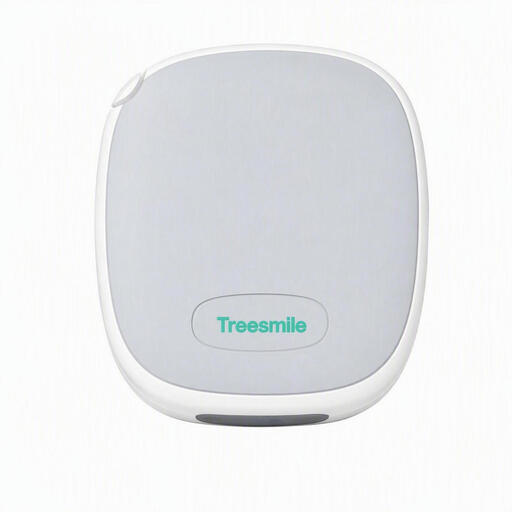
Why this product suits this profile: This mains-powered device is designed for a permanent place at home and offers three adjustable mist levels. The stated contents include both an adult and a child mask.
The specifications state continuous compressed-air nebulisation, three levels and a detachable medication container. This makes key buying criteria easy to check.
MMAD of approximately 3 µm, mist output of 0.35–0.55 ml/min, stated noise level of up to 57 dB and accessories for two age groups.
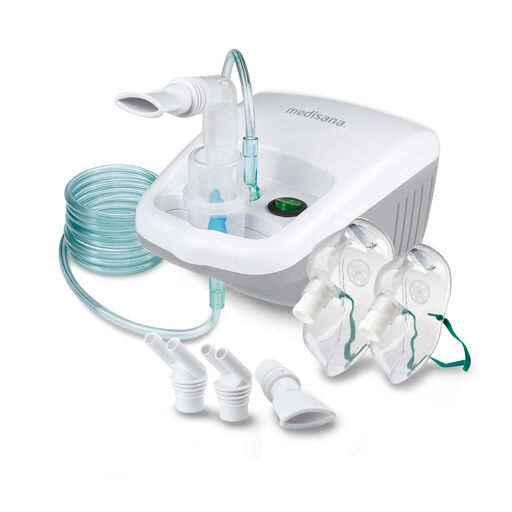
Why this product suits this profile: This device is designed for use with a mouthpiece, nasal adapter, and adult and child masks. The 2-metre tube can provide greater freedom of movement when used with children.
The contents are listed in detail. This allows you to check before buying whether additional adapters are needed for different users.
Compressor technology, maximum 10 ml fill volume, nebulisation rate of at least 0.2 ml/min, carry bag and replacement filter.
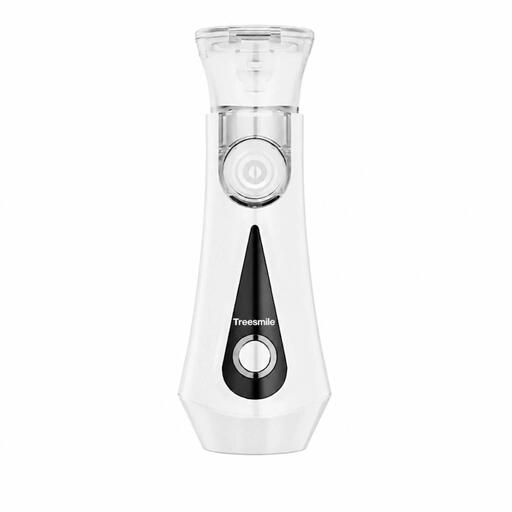
Why this product suits this profile: This battery-powered mesh nebuliser is ideal for anyone looking for a portable device with a larger 15-ml container and two mist levels.
Capacity, charging time, automatic shut-off and water-level detection are clearly specified. The detachable nebuliser unit supports regular cleaning.
15 ml capacity, two mist levels, up to 50 dB(A), USB charging and automatic shut-off.
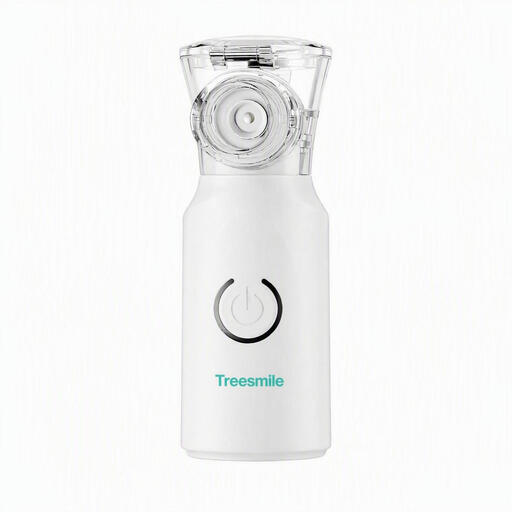
Why this product suits this profile: Its compact design and stated noise level of up to 25 dB(A) make it suitable for use at night, while travelling and on small surfaces.
Automatic shut-off after 15 minutes and water-level detection help prevent common operating errors. The detachable nebuliser makes maintenance easier.
8 ml container, two mist levels, 800-mAh battery, 5-volt charging and stated noise level of up to 25 dB(A).
We have put together a complete, regularly updated list of products that fully meet these strict selection criteria and the safety regulations applicable in the EU.
An inhaler is not the same as a cough suppressant, cough syrup or cough sweet. Depending on the product type, these products are used for local care of the throat and pharynx or for symptom-focused treatment. A throat and pharyngeal spray may be a different dosage form from a syrup. For a blocked nose, saline solutions or a decongestant nasal spray may be suitable, depending on the user’s age and the product information.
Age recommendations must always be checked on the packaging. For example, some lozenges are only offered for children aged three and over, while certain liquids specify different age limits. Medical advice is required for young children, chronic respiratory problems, breathing difficulties, high fever or persistent symptoms.
Before first use, assemble the device, medication container, tube and mask according to the instructions. Only fill it with the solution intended for use, place the device on a stable, dry surface and keep the ventilation openings clear. Dosage and treatment duration should follow a doctor’s instructions or the package leaflet.
It is not possible to give a reliable general lifespan. This depends on how often the device is used, cleaning, filter replacement, the battery and the availability of spare parts. Compressor devices should be checked regularly for the condition of the tube, filter and casing. With mesh models, the nebuliser membrane requires particularly careful cleaning and must be treated in accordance with the manufacturer’s instructions.
With a mains-powered device, electricity costs depend on its power consumption and session length. Battery-powered devices involve charging cycles and, where necessary, a later battery replacement. Additional ongoing costs may include medicines, disposable or replacement parts, filters and cleaning products. You should therefore consider not only the purchase price but also what is included in the package.