
Lieferung heute & morgen

Qualitätsgarantie

Willkommens-Angebote freischalten: KOSTENLOSE Lieferung | Bis zu 80 % RABATT | Kostenlose 30-Tage-JoyPlus-Testphase
App herunterladen
Your printer flashes an "Ink almost empty" warning—a situation that often occurs just when you need to print important documents. However, a hasty search for replacement printer cartridges can lead to expensive mistakes. Many deals that seem attractive at first glance turn out to be unsuitable. This guide will help you navigate the common pitfalls and find the right cartridge for your needs.
The two most common problems when buying ink cartridges or toner cartridges are:
To avoid these problems, you should check two or three key parameters before you buy printer cartridges.
The most important factor is compatibility. Every printer requires a specific series of cartridges. Using the correct model number is the key to preventing incorrect purchases.
Always search for this specific number (e.g., "Brother LC-223C" or "Canon CRG-046"), not just the printer model.
The page yield indicates how many pages you can print with one cartridge. Reputable manufacturers state this value according to an ISO standard (e.g., ISO/IEC 24711 for ink). This standard is based on a standardised page coverage of 5%. A full-page A4 document or a photo has much higher coverage and will reduce the yield accordingly.
Look for designations like XL or H (High Yield). These cartridges contain more ink or toner and often offer better value for money, as they lower the cost per page.
The choice between original printer cartridges and alternatives depends on your budget and quality requirements.
Here are some recommendations tailored to typical use cases.
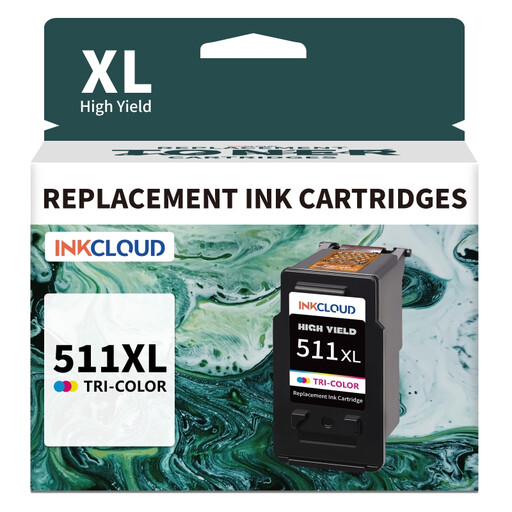
Why This Fits Their Persona: Ideal for users who occasionally print documents, homework, or online tickets. The XL capacity ensures a long service life, while its remanufactured nature keeps costs down and the ecological footprint small.
The XL designation promises a high page yield, bypassing the trap of standard cartridges that run out quickly. As a remanufactured original cartridge, compatibility with the specified printer models is assured.
Excellent value for money due to the high fill volume. A more eco-conscious choice thanks to the reuse of cartridge bodies.
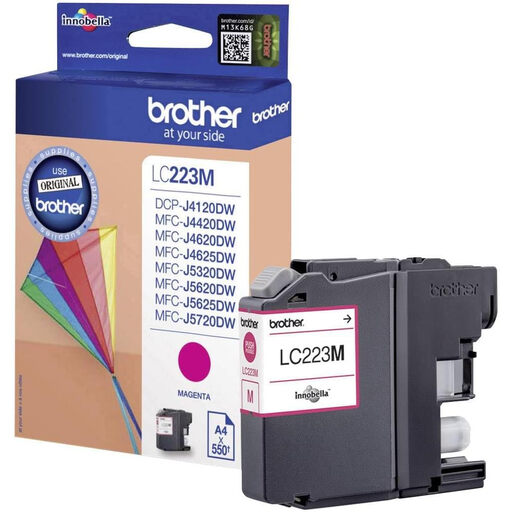
Why This Fits Their Persona: For users who depend on consistent print quality for reports, presentations, or invoices. Using original ink ensures printer reliability and delivers professional results.
As an original Brother product, this cartridge eliminates the risk of incompatibility or firmware issues. The page yield is transparently declared according to ISO standards, allowing for reliable cost calculation.
Guaranteed compatibility and colour accuracy. Preserves the printer's operational reliability and protects the device warranty.
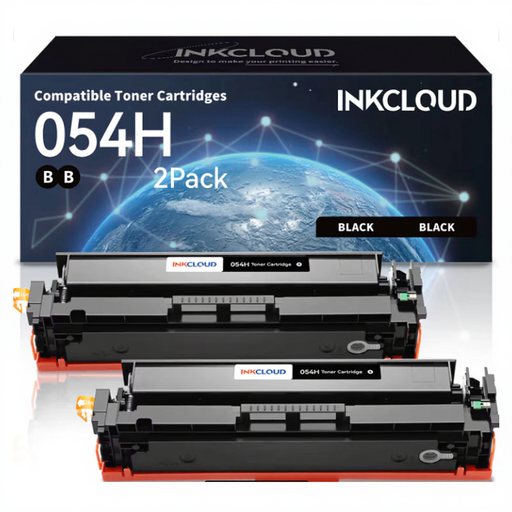
Why This Fits Their Persona: Perfect for offices and businesses that print a large volume of text-based documents daily. Here, the cost per page is the deciding factor. A high-yield compatible toner cartridge is the most economical solution.
The "H" (High-Yield) designation signals maximum page output, directly addressing the high cost of original toners. It offers a cost-effective solution for high print volumes.
Very low cost per printed page. Reliable performance for everyday black-and-white text printing in the office.
We have compiled a complete, up-to-date list of products that fully meet these strict selection criteria.
The surest way is to read the model number directly from your old cartridge. Alternatively, you can find this information on a sticker inside the printer or in the user manual. Search online specifically for this number to see only compatible products.
Manufacturers cannot legally void a printer's warranty simply because a third-party cartridge was used. However, if a faulty compatible printer cartridge is proven to have caused damage to the printer, the manufacturer can refuse to cover the repair costs under the warranty. With high-quality compatible cartridges, this risk is low.
The ISO standard for page yield simulates the printing of typical business documents with 5% ink or toner coverage on an A4 page. This value serves as a standardised benchmark for comparing different cartridges. In practice, for example when printing photos or full-page graphics, the actual number of printable pages will be lower.