
Lieferung heute & morgen

Qualitätsgarantie

Willkommens-Angebote freischalten: KOSTENLOSE Lieferung | Bis zu 80 % RABATT | Kostenlose 30-Tage-JoyPlus-Testphase
App herunterladen
Instant coffee is convenient, keeps for a long time and is ready in seconds. Even so, products vary considerably in strength, ingredients, portion size and sugar content. If you choose based only on the brand name or eye-catching packaging, you could easily end up with a variety that doesn’t suit your taste or how you plan to use it.
This buying guide explains what to look for when shopping, the differences between instant coffee, freeze-dried coffee and 3-in-1 blends, and which products suit different needs.
A large proportion of cappuccino instant powder and 3-in-1 coffee is often made up of sugar, milk ingredients or vegetable fat. Check the ingredients list to see how much of the product is actually soluble coffee. For example, the ingredients in Jacobs 3in1 Classic Soluble Coffee Sticks list sugar and glucose syrup first, while soluble coffee accounts for 8%.
If you prefer a stronger coffee flavour, choose pure instant coffee or compare the product details. Blends containing sugar and creamer are better suited to a sweet, creamy drink.
A 200 or 400 g jar may seem like a bargain at first. However, if you only drink coffee occasionally, its flavour may fade after opening. Many products should be stored in a cool, dry place with the container tightly closed. Individual portions, such as coffee sticks, limit exposure to air and moisture, but create more packaging waste.
So compare the price per 100 g, the recommended amount to use and how long you expect the product to last.
Terms such as ‘full-bodied’ or ‘intense’ aren’t standardised quality grades. More useful details include whether the coffee is freeze-dried, whether it’s ‘100% coffee’, the type of bean, its origin, net weight and preparation instructions. For flavoured blends, you should also check for allergens such as milk, soya or hazelnut.
Freeze-dried coffee is made from coffee extract and dried at low temperatures. It often has a coarser texture, making it easy to measure out. Look for ‘freeze-dried’ on the packaging.
Spray-dried instant coffee is often finer and may dissolve very quickly. However, the production method alone doesn’t tell you whether you’ll like the flavour. The roast, blend and amount you use matter too.
In pure instant coffee, coffee or soluble coffee should be the main ingredient. In 3-in-1 varieties, sugar and creamer are often the main components. If you want to cut down on sugar, choose a product with no added sweeteners and add milk as needed.
Decaffeinated varieties are labelled separately. Jeden Tag Decaffeinated Instant Coffee is described as a decaffeinated, freeze-dried instant coffee made from 100% Arabica beans. As ‘decaffeinated’ doesn’t necessarily mean completely caffeine-free, check the specific information on the packaging.
Jars are well suited to everyday use at home or in the office. Sticks are handy for travel, work and anywhere you don’t have a coffee jar to hand. For sachets, check the weight per stick and the recommended amount of water. For example, a G7 3-in-1 stick is prepared with around 75 ml of hot water, while pure instant coffee is often measured out for a larger mug.
Use hot, but not boiling, water unless the product instructions say otherwise. This helps the flavour develop more evenly.
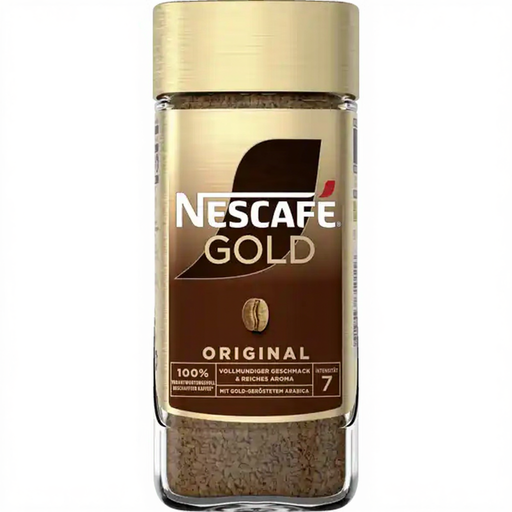
Why it suits this profile: The 100 g jar is a manageable way to try pure soluble coffee. According to the product details, the blend contains 97% soluble coffee and 3% roasted, ground coffee.
The ingredients list makes it clear that this isn’t a sugar-heavy 3-in-1 blend. You can adjust the amount to suit each cup.
Freeze-dried; prepare with 1–2 teaspoons and hot water.
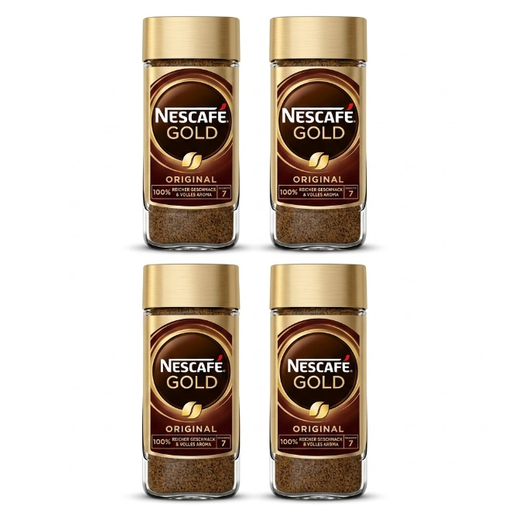
Why it suits this profile: Four 100 g jars are ideal for households or offices that get through coffee regularly, and mean you won’t need to reorder as often.
The individual jars let you split your supply, rather than keeping one very large container open for a long time.
Four 100 g jars; Arabica and Robusta blend according to the product description.
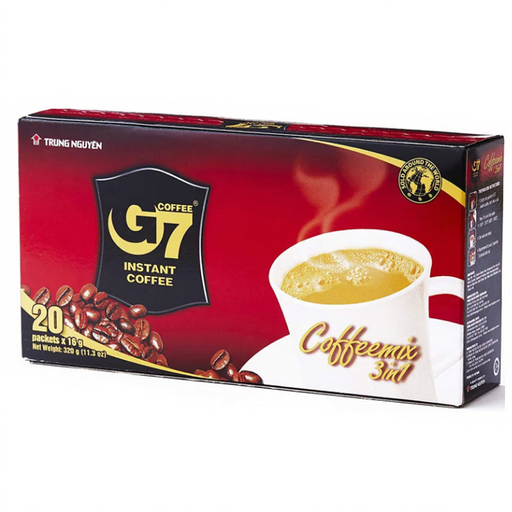
Why it suits this profile: The 20 individual portions are handy for the office, travel and quick preparation without a measuring spoon. Sugar and creamer are already included.
The portion size and recommended amount of water are clearly stated. This helps prevent the blend from turning out too weak or too sweet.
20 sticks, each 16 g; according to the ingredients, contains 13% soluble coffee and milk ingredients.
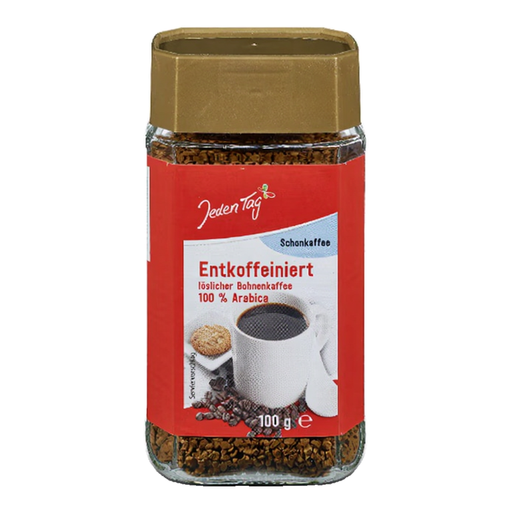
Why it suits this profile: This decaffeinated option is suitable if you want to avoid caffeinated coffee in the evening or for personal reasons.
The decaffeinated instant coffee label helps distinguish it from regular blends. Ingredients and allergen information are listed on the product page.
100 g; freeze-dried, decaffeinated instant coffee; no major allergens declared, according to the product details.
We’ve put together a complete, regularly updated list of products that meet these strict selection criteria and fully comply with the safety regulations in force in the EU.
Depending on the product, add around one or two teaspoons or one sachet to a cup. Pour in hot, not boiling, water and stir well. For 3-in-1 products, follow the instructions on the sachet, as sugar and creamer are already included.
The best-before date mainly applies to the unopened pack. Once opened, keep the jar tightly closed and store it in a dry place. Some product instructions recommend using it within four to six weeks, while others specify a shorter period. Always follow the guidance on the relevant label.
It depends on the pack price, how much you use and the serving size. Compare the price per 100 g and work out the cost using the recommended amount of coffee per cup. Coffee sticks are convenient thanks to their individual portions, but the cost per cup may work out differently from that of a jar.