
Lieferung heute & morgen

Qualitätsgarantie

Willkommens-Angebote freischalten: KOSTENLOSE Lieferung | Bis zu 80 % RABATT | Kostenlose 30-Tage-JoyPlus-Testphase
App herunterladen
Instant coffee is convenient: add powder or granules to your cup, pour in hot water, stir – done. Even so, instant coffee, cappuccino powder, 3-in-1 coffee and instant latte drinks can differ considerably in their ingredients, portion formats and flavour. If you focus only on the brand name or pack size, you may easily end up paying for sugar, flavourings or unnecessarily large supplies.
This buying guide from the Joybuy Product Recommendation Officer helps you check the relevant details and choose instant coffee to suit your needs at home, in the office or on the go.
Soluble coffee often consists mainly of instant coffee. With instant cappuccino or 3-in-1 coffee, however, sugar, glucose syrup, milk powder or coffee whitener are often high up on the ingredients list. This is not necessarily a drawback, but it does affect the flavour, sweetness and nutritional value.
For example, the Trung Nguyen G7 Cappuccino Hazelnut contains 12 per cent instant coffee according to the stated product information. Sugar and coffee whitener make up a significant proportion of the blend. If you are expecting a stronger, less sweet coffee, it is therefore better to choose pure granules.
A 200 or 250-gram jar may appear generous at first glance. However, the recommended amount per cup is what really matters. With some products, one or two teaspoons are sufficient, while cappuccino powder often calls for two or three spoonfuls. Sachets are easier to measure out, but they can cost more per cup than a jar or refill pouch.
Moisture affects how freely the granules pour and can alter the flavour of instant coffee. Jars should be sealed tightly after every use and stored in a dry place. Once a product has been opened, follow the usage recommendation stated on the packaging. Coffee sticks reduce contact with air and moisture, but create more packaging waste.
Pure instant coffee usually contains only instant coffee or a blend of instant and roasted coffee. It is suitable for anyone who wants to add their own preferred amount of milk and sugar. Examples include Nescafé Instant Coffee, Nescafé Gold Original, Nescafé Gold Crema and Jacobs Crema.
Cappuccino powder and instant latte drinks also contain milk powder, coffee whitener, sugar and, where applicable, flavourings. They can be prepared without any additional ingredients and create a layer of foam or cream, depending on the recipe.
Flavoured instant coffee may contain hazelnut, caramel or chocolate notes, for example. If you have allergies or intolerances, the ingredients and allergen list is more important than the flavour description on the front of the pack.
In the EU, ingredients are generally listed in descending order of weight. If sugar is listed first, the product is not a classic black coffee but a sweetened drink mix. Milk ingredients such as skimmed milk powder, lactose or sodium caseinate require particular attention.
The Nescafé Latte Style Instant Coffee 230 g product description states that it contains 37 per cent skimmed milk powder and 9 per cent soluble coffee beans. This makes it suitable for a mild, milky preparation, but it is not automatically suitable for people who are sensitive to milk or lactose.
Hot, but not boiling, water helps preserve the flavour and is the recommended preparation method for several products. The amount of water affects the strength:
The powder should be fully dissolved. When using a travel mug with a lid, it is best to stir first and then close the container. The specific instructions on the product label take precedence.
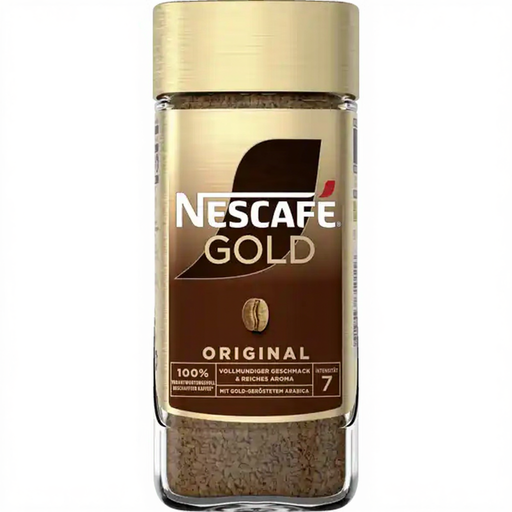
Why this product suits the profile: The 100-g jar is ideal for trying the coffee and can be customised with milk or sugar.
The ingredients list consists predominantly of instant coffee. This means the product is not confused with a sweet cappuccino mix.
Freeze-dried instant coffee; can be measured with one or two teaspoons.
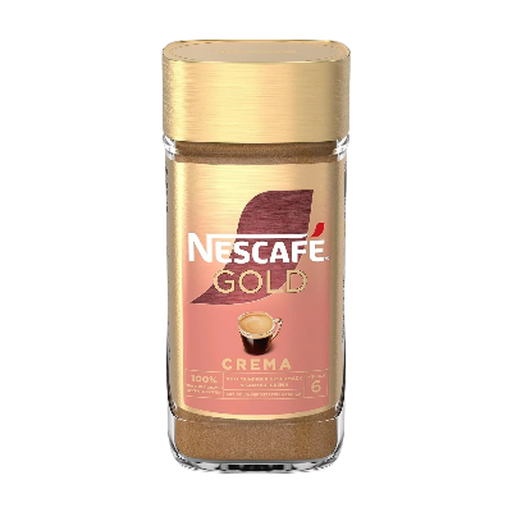
Why this product suits the profile: If you prefer black coffee and need a larger supply, this product offers a stated Arabica base.
According to the product details, this is coffee without sugar or milk powder. You can therefore customise each cup to your taste.
100 per cent Arabica according to the product description; 200-g jar with a tightly sealing lid.
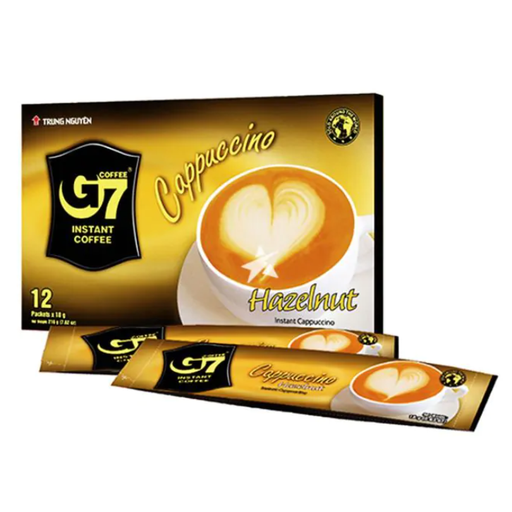
Why this product suits the profile: Twelve individually wrapped portions are ideal for the office, travelling or keeping in the cupboard when milk or scales are not available.
The 18-g portion size and recommended 100 to 150 ml of water make preparation easy to measure.
12 sachets with hazelnut flavour; coffee whitener and milk cream already included.
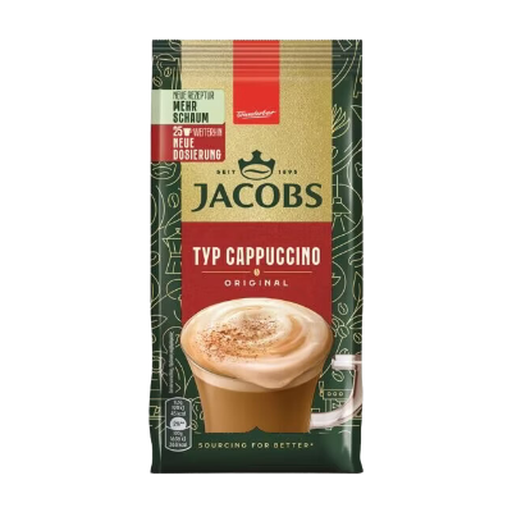
Why this product suits the profile: The 290-g refill pack is designed for regular preparation at home or in the office.
The product description lists sugar, milk powder and 15 per cent instant coffee. This clearly identifies it as a sweet cappuccino mix.
290-g pack; prepared with hot water and designed to produce a creamy foam.
We have put together a complete, regularly updated list of products that fully meet these strict selection criteria and the safety regulations applicable in the EU.
Three steps are all you need for consistently good results:
Opened jars should be stored in a dry place protected from heat. With coffee sticks, the individual portion is already measured out. This is practical when you are out and about, while a jar usually creates less individual packaging when consumed regularly.
The best-before date applies to the unopened pack. Once opened, the jar should be sealed tightly, kept dry and protected from heat. Depending on the manufacturer, it may be recommended that you use the contents within several weeks or months. Always follow the information on the relevant packaging.
First add the powder to the cup, then slowly pour in hot water and stir immediately. With cappuccino powder, use the amount of water stated on the pack. Too little water can make the mixture very concentrated, while too much water can weaken the flavour and creaminess.
That depends on the pack size, dosage and variety. With larger jars or multipacks, pure instant coffee can offer a predictable cost per cup. Sachets and 3-in-1 coffee provide greater convenience, but often contain additional ingredients and can cost more per serving. Comparing the weight and recommended dosage is therefore more useful than looking at the pack price alone.