
Lieferung heute & morgen

Qualitätsgarantie

Willkommens-Angebote freischalten: KOSTENLOSE Lieferung | Bis zu 80 % RABATT | Kostenlose 30-Tage-JoyPlus-Testphase
App herunterladen
For many professionals, students, and gamers, lunch breaks or dinner are often a race against the clock. The desire for a warm, flavourful meal clashes with a packed schedule. Instant curry noodles offer a convenient solution: they are quick and easy to prepare, bringing the aromatic taste of Asian cuisine straight to your table.
This article serves as your guide. We will introduce a selection of instant curry noodle products and provide you with objective information to help you make an informed choice for your next quick lunch.
Choosing the right ready-to-eat meal depends on your personal preferences and needs. The following points can help you decide.
The most common packaging formats are cups and pouches. Curry Cup Noodles are especially convenient for the office or on the go, as they come in their own container. All you need is hot water. Products in pouches are often more cost-effective per serving and are well-suited for preparation at home where you have your own bowl. They also tend to generate less packaging waste.
The term "curry" encompasses a wide variety of spice blends. A look at the ingredients list will reveal the expected flavour profile. Look for specific spices like turmeric, coriander, cumin, lemongrass, or chili to get an idea of the taste. Some products contain dried vegetables or protein pieces, which make the meal more substantial. For a more complete Asian noodle soup, the salt and fat content can also be important criteria.
Most instant noodle dishes are ready in 3 to 5 minutes. These products, often known as 5-minute curry terrines, are designed for a very quick meal. Check the instructions on the packaging to ensure the preparation time meets your needs.
Here is a detailed overview of three different products, each offering a unique curry experience.
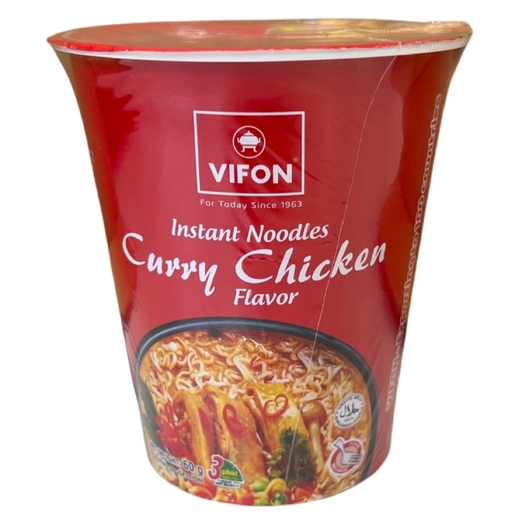
Why it stands out: This product is inspired by the flavour profile of a Vietnamese curry. According to the manufacturer, the seasoning blend contains lemongrass, garlic, and chili in addition to curry powder, creating an aromatic and mildly spicy flavour.
Pros:
Who it's for: Those who appreciate the characteristic taste of Southeast Asian cuisine with a hint of spice and citrus, and are looking for a hassle-free instant curry noodle soup for on the go or at the office.
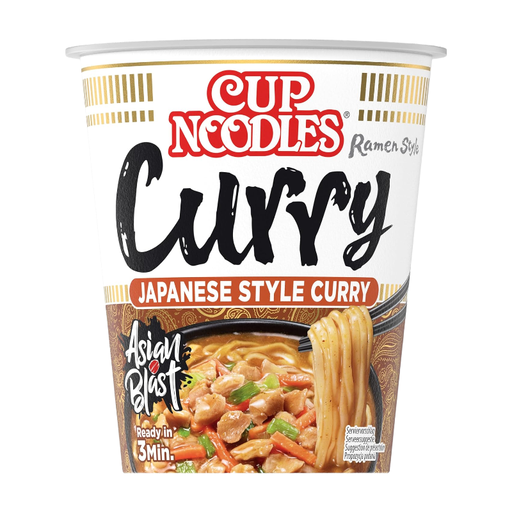
Why it stands out: Nissin is a well-known brand in the instant noodle space. This version offers the classic taste of a Japanese curry, which is typically milder and creamier than its Southeast Asian counterparts.
Pros:
Who it's for: Users who prefer the taste of Japanese curry or are looking for a milder, less spicy curry option. It's a classic curry ready meal for a quick and filling meal.
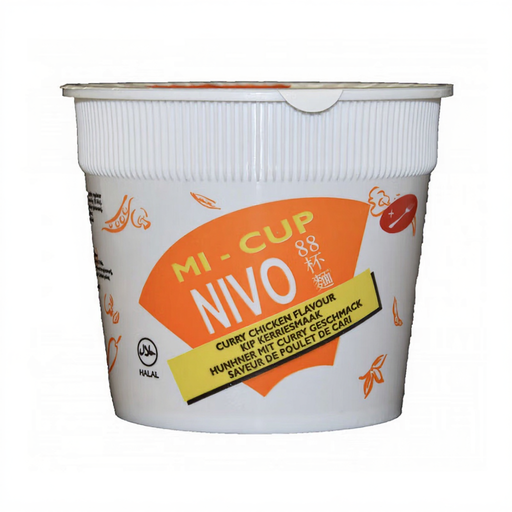
Why it stands out: As a new addition to the range, this product is distinguished by its complex spice blend. According to the manufacturer, it contains garlic, ginger, turmeric, lemongrass, coriander, and cinnamon. A separate sachet of seasoning oil is included to provide additional depth of flavour.
Pros:
Who it's for: People who enjoy trying new products and appreciate a complex, multi-layered curry flavour. The addition of soy protein makes it an interesting option for anyone wanting a more substantial meal.
If you love the aromatic taste of curry but are looking for an alternative to noodles, a ready meal with rice could be a great option. These dishes are also quick to prepare and offer a different base for the popular flavour.
? Discover our selection of curry rice products here
1. How do you properly prepare instant noodles in a cup? The preparation is standardised: Peel back the lid halfway, add the included seasoning and oil sachets, and fill the cup with boiling water up to the fill line. Close the lid again and let the noodles steep for the time indicated on the package (usually 3-5 minutes). Afterwards, stir well.
2. Can you enhance the flavour of instant noodle soups? Yes, an easy way to upgrade them is by adding fresh ingredients. A few drops of soy sauce, sesame oil, or lime juice can intensify the flavour. Fresh herbs like cilantro or spring onions, a boiled egg, or even leftover vegetables and chicken can transform a simple instant curry noodle soup into a more substantial meal.
3. What is the difference between Japanese and Thai/Vietnamese curry? In general, Japanese curries are often milder, thicker, and slightly sweet. They are based on a curry roux and are frequently served with potatoes, carrots, and onions. Thai and Vietnamese curries are typically thinner (more soup-like) and are based on curry pastes and coconut milk. They are often spicier and more aromatic due to ingredients like lemongrass, galangal, and kaffir lime leaves.