
Lieferung heute & morgen

Qualitätsgarantie

Willkommens-Angebote freischalten: KOSTENLOSE Lieferung | Bis zu 80 % RABATT | Kostenlose 30-Tage-JoyPlus-Testphase
App herunterladen
The search for a quick yet flavorful meal often leads to instant noodles. The curry variety is particularly popular, offering an aromatic and satisfying option for everyday life. However, the market offers a wide range of products that differ significantly in noodle type, flavor profile, and nutritional value.
This guide provides a clear overview of the different types of Instant Curry Noodles. It presents objective criteria to help you find the right product for your dietary needs and taste preferences.
To make an informed decision, the following three criteria can be helpful.
The noodle is the heart of the dish. Choosing the right type affects not only the texture but also the nutritional value of the meal.
Not all curries are created equal. The flavor differences can often be traced back to the region of origin.
The packaging determines the preparation method and convenience level.
Based on the criteria above, here are three different products that cater to various needs and flavor profiles.
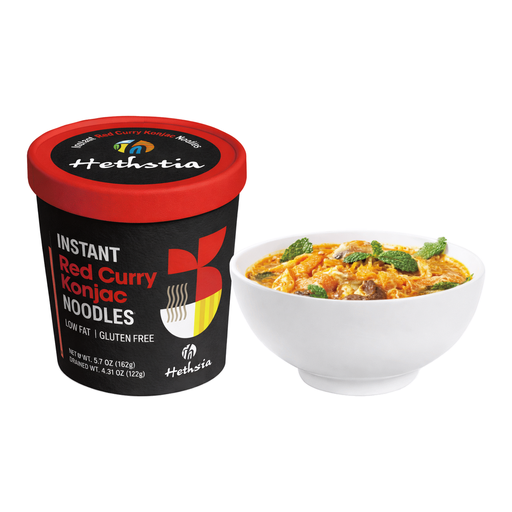
Why it stands out: This product uses konjac noodles, targeting a health-conscious audience. The in-cup preparation is designed for a quick and easy meal.
Pros:
Who it's for: Individuals looking for a low-calorie, low-carb meal without sacrificing the flavor of a spicy red curry soup. Especially suitable for followers of a Keto Noodle or low-carb diet.
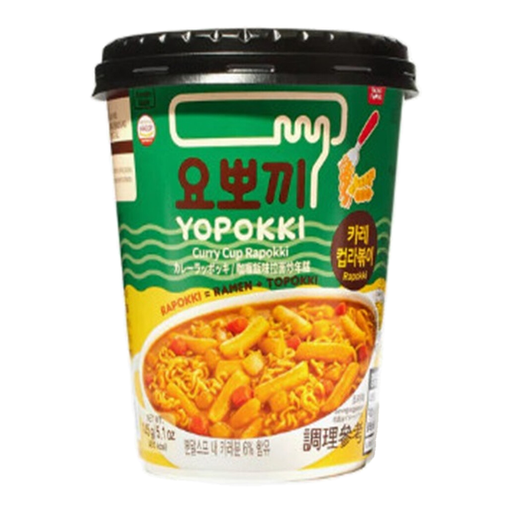
Why it stands out: This dish combines two popular elements of Korean cuisine: ramen noodles and tteokbokki (rice cakes). The result is a Rabokki Curry with a unique and varied texture.
Pros:
Who it's for: Fans of Korean cuisine and adventurous eaters looking for a hearty and filling meal. Ideal for anyone wanting to experience Korean street food culture at home.
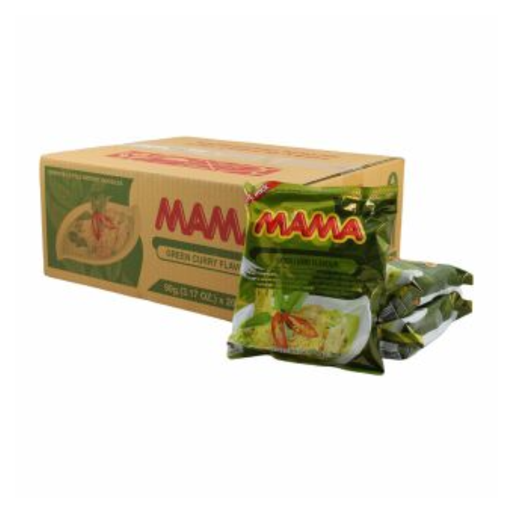
Why it stands out: This product offers the classic flavor of a Thai noodle soup with green curry in a convenient bulk pack. The MAMA brand is a well-known manufacturer of Asian noodle soup.
Pros:
Who it's for: People who appreciate the aromatic and slightly spicy taste of Thai green curry and eat instant noodles regularly. The bulk pack is especially practical for families and students.
If these recommendations don't quite match your taste, there are more options to explore. Our Ready-Made Curry Meals category offers a wider selection of flavors and formats, from mild to extra spicy and inspired by various Asian cuisines.
1. What are konjac noodles and are they suitable for a keto diet?Konjac noodles, also known as shirataki noodles, are made from the flour of the konjac root. They consist mainly of water and the dietary fiber glucomannan. Since they contain virtually no digestible carbohydrates or calories, they are a very popular choice for ketogenic (keto) and other low-carb diets.
2. How do Thai and Korean curry noodles differ in taste? The main difference lies in the ingredients and aromatics. A Thai noodle soup with curry is often based on coconut milk and is enhanced with herbs like lemongrass, kaffir lime leaves, and galangal, resulting in a creamy, sweet, and highly aromatic flavor. Korean instant noodles with a curry flavor typically use a yellow curry powder that tastes more savory and earthy. The sauce is often thicker and less creamy than the Thai version.
3. What is the shelf life of instant noodles? Instant noodles are designed for a long shelf life. The exact best-before date is printed on the packaging. For optimal longevity, they should be stored in a cool, dry place, away from direct sunlight.