
Lieferung heute & morgen

Qualitätsgarantie

Willkommens-Angebote freischalten: KOSTENLOSE Lieferung | Bis zu 80 % RABATT | Kostenlose 30-Tage-JoyPlus-Testphase
App herunterladen
Finding the right instant curry noodles can quickly become overwhelming. The market is vast, and the differences between products are often greater than they first appear. A quick meal should be convenient and delicious, yet unclear product descriptions or an unexpected flavour profile often lead to disappointment.
This guide will help you navigate the common pitfalls and make an informed decision. We focus on the objective criteria that distinguish a great curry noodle soup from an unsuitable one.
Common Pitfalls When Buying Instant Curry Noodles:
To make the right choice, you should consider three essential aspects. These will help you objectively assess a product's quality and flavour profile.
The most important distinction lies in the type of curry. The geographical origin often provides the decisive clue to the expected aroma.
The noodles themselves are just as crucial to the eating experience as the broth.
A look at the ingredient list is essential to ensure the product meets your requirements.
Here are some recommendations tailored to different needs and flavour preferences.
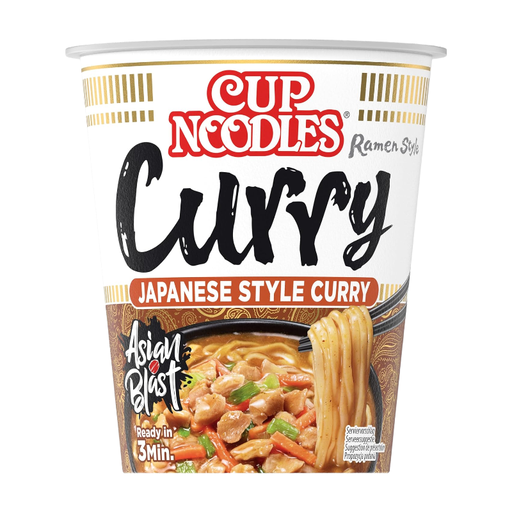
Why It's a Match: Ideal for anyone looking for a quick, uncomplicated, and reliably tasty meal. The classic Japanese curry flavour is mild and approachable, perfect for the office or as a quick snack.
The product avoids the "curry trap" with a clearly defined, mild Japanese flavour profile. The proven Nissin quality ensures a consistent noodle texture that doesn't get mushy.
Ultimate convenience with the cup format; ready in just 3 minutes with boiling water.
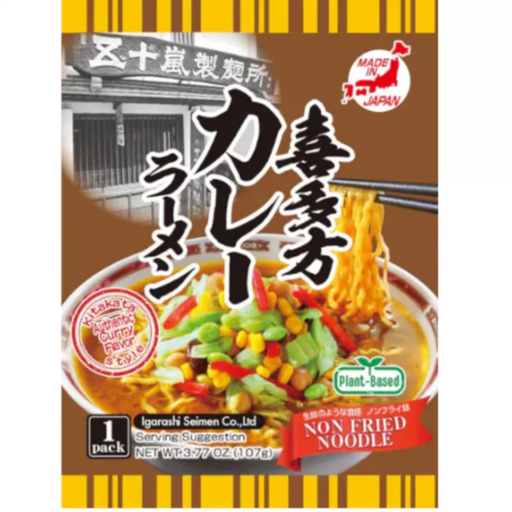
Why It's a Match: For those who value a high-quality noodle texture and an authentic, balanced flavour experience. The purely plant-based recipe also makes it a great choice for vegans.
This product avoids the inferior noodle texture trap by using non-fried, slow-matured wheat noodles. The purely plant-based recipe also avoids hidden animal-derived ingredients.
Superior, al dente noodle texture and a rich, aromatic curry flavour with a balanced umami taste.
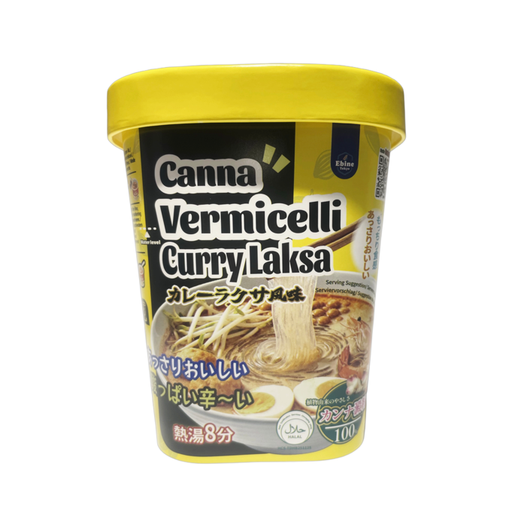
Why It's a Match: For the adventurous eater seeking an intense and authentic Southeast Asian flavour experience. The combination of creamy coconut laksa and unique canna noodles is a departure from standard curry.
The clear designation as Curry Laksa prevents confusion with Japanese or Thai curry. The use of canna noodles is a deliberate feature for a special texture, not a sign of inferior quality.
Authentic, rich laksa profile with a creamy coconut base, deep seafood umami, and a unique noodle texture.
We have compiled a complete, up-to-date list of products that fully meet these strict selection criteria and UK regulations.
1. How do you prepare instant curry noodles correctly so they don't get mushy? Follow the cooking time indicated on the package. For packet noodles, it's often better to cook the noodles separately in water, drain the water, and then combine them with the seasoning mix dissolved in fresh, hot water. This prevents the noodles from overcooking in starchy water. With non-fried noodles, the risk of them becoming mushy is generally lower.
2. How can I identify vegan instant curry noodles? Look for an explicit vegan label on the packaging. If it's missing, a close inspection of the ingredient list is essential. Watch out for terms like milk protein, caseinate, whey, shrimp extract, oyster sauce, or chicken fat. Many curry noodle soups contain milk powder for creaminess.
3. What is the main difference between Japanese and Thai curry in instant noodles? The main difference lies in the flavour profile and spiciness. Japanese curry noodles are typically thick, mild, and slightly sweet, with spices like turmeric and cumin. Thai curry noodles, such as green curry, are more liquid, often based on coconut milk, and are significantly spicier and more aromatic due to ingredients like lemongrass, galangal, and green chillies.