
Lieferung heute & morgen

Qualitätsgarantie

Willkommens-Angebote freischalten: KOSTENLOSE Lieferung | Bis zu 80 % RABATT | Kostenlose 30-Tage-JoyPlus-Testphase
App herunterladen
Instant drink powder is convenient at home, in the office or on the go: add water or milk, stir and your drink is ready. The selection ranges from matcha powder and matcha latte powder to bubble tea powder and Thai tea mix, as well as instant coffee, latte powder, sugar-free drink mixes and energy drink powder.
However, product names and eye-catching packaging reveal little about the actual ingredients. As a Joybuy Product Recommendation Officer, I filter the most important information so that when you buy drink powder online, you do not base your decision solely on flavour or marketing claims.
A vegan drink powder may contain plant-based ingredients and still have a high sugar content. For a milk tea powder with 65 g of sugar per 100 g or a taro mix with 48 g of sugar per 100 g, the term “vegan” therefore only describes the origin of the ingredients, not the nutritional value.
So always check:
Some products are specifically designed for use with milk, yoghurt, skyr or quark. For example, INSTICK pistachio powder is intended to be stirred into 0.5 l of milk or a plant-based alternative and, according to the product information, is not recommended for use with water. Anyone who buys such sticks as an ordinary soft drink may be disappointed by the flavour and solubility.
For matcha latte powder, latte powder and creamy bubble tea mixes, it is worth checking the preparation instructions. Details such as 150 ml of water, 200 ml of milk or a maximum temperature of 120 °C have a direct impact on the result.
Matcha, black tea, instant coffee and energy drink powder may contain caffeine. The amount should be considered per serving, not just per 100 g. According to the manufacturer’s information, INSTICK Energy Drink Powder with Acai contains around 52 mg of caffeine per 0.25-l serving. It is intended for adults; pregnant or breastfeeding women, people sensitive to caffeine and children should follow the information on the packaging.
Pure matcha powder, for example, consists of 100% ground Tencha green tea. It contains no added sweeteners and can be used for tea, matcha latte or cooking. Ready-made matcha latte powder, on the other hand, often contains sugar, milk ingredients or plant-based creamers.
Also check for allergens:
The binding ingredients list and allergen labelling on the packaging take precedence over product descriptions.
Instant powder may be designed for hot or cold drinks, water or milk. For cold drinks, it is often useful to dissolve the powder first in a small amount of warm liquid and then add ice or cold water. This applies, for example, to milk tea and bubble tea mixes.
For coffee, hot but not boiling water is recommended. According to the product information, Nescafé Latte Style Instant Coffee should be completely dissolved before a sealable travel mug is closed. Shaking a closed container containing hot liquid can cause scalding.
Do not just compare the pack price; also consider how many servings it makes. A 250-g bag with a recommended serving of 20 g per drink works out at around twelve servings. Individual sticks are practical when you are out and about and protect the powder from moisture until it is used.
After opening, many mixes should be stored in a dry, cool, dark place and kept tightly sealed. Matcha is particularly sensitive to light, heat, oxygen and moisture. Clumping, changes in colour or an altered aroma may indicate unsuitable storage.
The following selection categorises different products according to their intended use and the available product information.
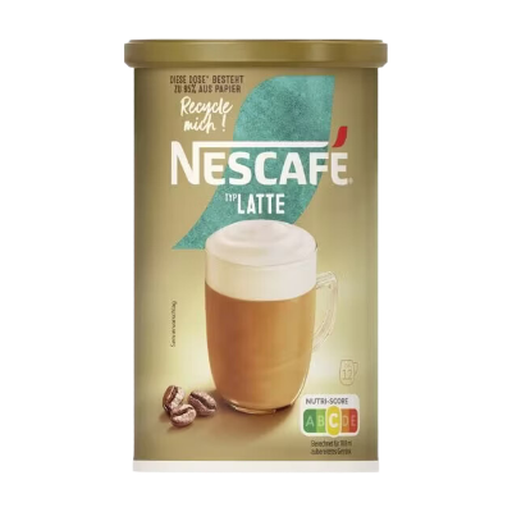
Why this product suits the profile: An uncomplicated coffee option with milk powder and instant coffee for easy preparation at home or in the office.
The product information lists milk ingredients, 9% instant coffee and preparation with hot, non-boiling water. This makes key buying criteria easy to identify.
230-g pack containing milk powder, designed for quick latte-style preparation.
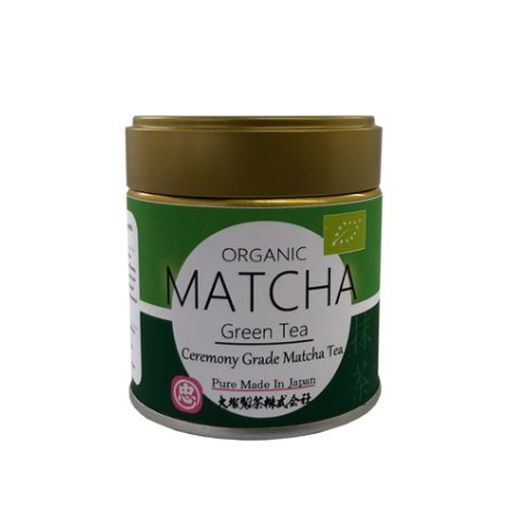
Why this product suits the profile: According to the product information, the powder consists of 100% Tencha and is suitable for pure matcha, matcha latte, smoothies and baking recipes.
According to the product description, it contains no added sugar, flavourings or fillers. The ingredients list is therefore limited to matcha powder.
30-g pack, origin Japan according to the product information, with a recommended dosage of around 1–2 g per cup.
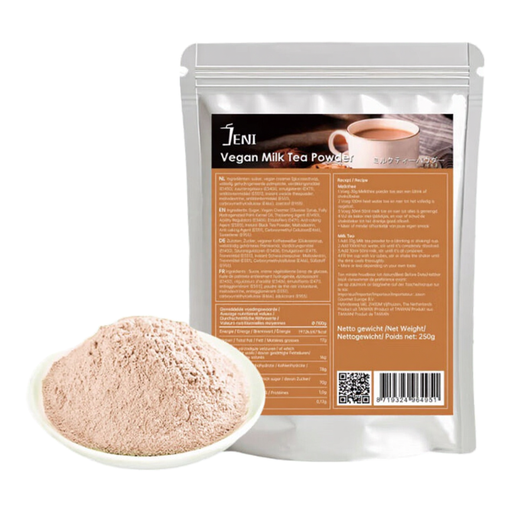
Why this product suits the profile: Plant-based milk tea powder for hot drinks or cold bubble tea, prepared with water.
The ingredients and allergen information indicate a vegan recipe; at the same time, possible traces of soya or gluten from the production environment are noted.
250-g pack, dissolves in hot and cold liquids and, according to the product information, contains no declared allergens.
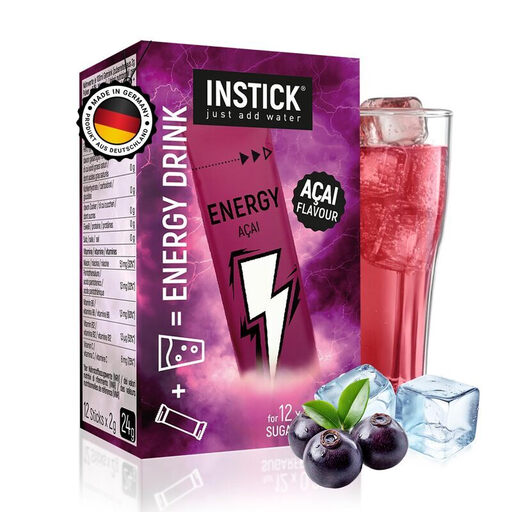
Why this product suits the profile: Individual sticks for preparing a drink on the go with still or sparkling water.
The information states that it is sugar-free, contains 52 mg of caffeine per stick and has a recommended serving size of 0.25 l. This makes it easier to account for the caffeine content precisely.
12 individual sticks, vegan recipe according to the manufacturer, sugar-free and gluten- and lactose-free according to the product data.
Follow the quantity instructions on the packaging. Powder for latte drinks is usually dissolved in hot water or milk. For cold drinks, you can first use a small amount of warm liquid. Matcha should not be prepared with boiling water; for the matcha selection mentioned above, around 80 °C is recommended.
The best-before date applies to the unopened pack. After opening, store the powder in a dry, cool, dark place and keep it tightly sealed. Individual sticks should be used completely once opened. The instructions provided by the relevant manufacturer remain decisive.
No. “Sugar-free” does not necessarily mean that it contains no calories. Milk, yoghurt or plant-based drinks mixed with the powder can also contribute energy and sugar. Therefore, check the nutritional values of the finished drink and the base liquid used.