
Lieferung heute & morgen

Qualitätsgarantie

Willkommens-Angebote freischalten: KOSTENLOSE Lieferung | Bis zu 80 % RABATT | Kostenlose 30-Tage-JoyPlus-Testphase
App herunterladen
Instant drink powders are ideal when you want a quick drink at home, in the office or on the go. Depending on the recipe, they can be used to make cocoa drinks, drinking chocolate, instant coffee or cappuccino. The practical advantage is how quickly they can be prepared: measure out the powder, add liquid, stir – and enjoy.
However, products vary considerably in their ingredients, serving sizes, sweeteners and preparation methods. If you only look at the flavour or pack size, you could miss important details. This guide explains what individuals and families should look for when buying.
A large bag doesn’t automatically mean you’ll get lots of drinks. The recommended amount of powder per cup is what matters. Depending on how much you use, a 400 g bag of cocoa powder could make significantly more servings than a small box of individual sachets. With single-serve products, it’s easier to see exactly how many drinks are included.
So compare:
Names such as chocolate drink, drinking chocolate or Choco Cappuccino describe the flavour, but they don’t give you a reliable indication of the cocoa content. In many blends, sugar, glucose syrup or sweeteners feature prominently in the ingredients list.
For example, Jacobs Milka Chocolate Hazelnut Cappuccino contains 34% chocolate powder, 11% cocoa in the chocolate powder and 3.4% soluble coffee, among other ingredients. It also contains skimmed milk powder and milk protein. If you’re expecting a strong coffee flavour, check the coffee content rather than relying on the product name alone.
Depending on the recipe, products may contain milk, soya, hazelnuts or gluten, or state that traces may be present. Coffee drinks also contain caffeine. This applies to instant coffee, cappuccino powder, 3-in-1 coffee and blends containing both cocoa and coffee.
Check the allergen information on the packaging before you buy. Online shop details are a useful guide, but if the recipe has changed or been updated, the current product packaging takes precedence.
Hot water is often all you need for a quick drink at the office. If you’re looking for a powder for summer drinks, shakes or desserts, instant drinks for hot and cold preparation offer more flexibility. Cocoa powders such as Kaba, Nesquik and Suchard Express are typically mixed with warm or cold milk. When using cold liquid, it helps to first stir a small amount of milk into the powder to make a smooth paste.
Some products are specially designed to be added to milk, yoghurt, Skyr or quark. According to the product details, INSTICK is mixed with liquid and can also be added to dairy products, smoothies or desserts. One 30 g stick can be mixed with 0.5 to 1.5 litres of water, depending on how strong you like it.
Look for:
“Sugar-free” doesn’t mean the same as “unsweetened”. A product made with sweeteners may contain no sugar, while other ingredients can still affect its flavour and nutritional values. If you follow a particular diet, check the full ingredients list and the manufacturer’s guidance as well.
Powder absorbs moisture, which can make it clump. Once opened, reseal the bag tightly or transfer the contents to a suitable storage container. Individual sachets are handy for taking with you and measuring out a precise serving. Refill bags, such as a drinking cocoa refill bag, create less individual packaging for the same amount of drink and are a good choice if you use the product regularly.
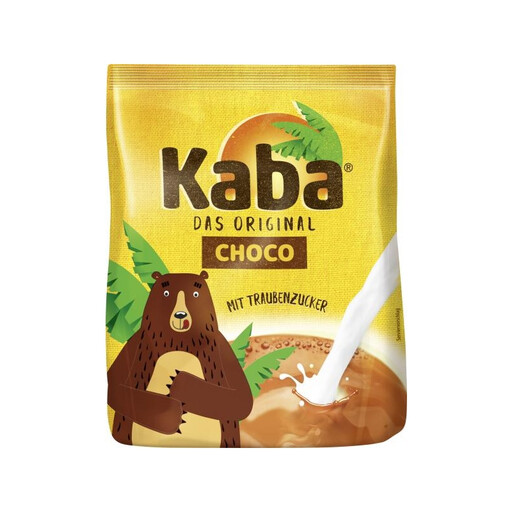
Why this product suits this profile: The 400 g refill bag is a good choice for households that regularly make cocoa drinks with hot or cold milk. The recipe contains 18% low-fat cocoa powder.
The pack size and stated cocoa powder content make it easier to compare. The instructions for preparing it with milk are clear.
400 g pack, suitable for hot and cold milk, and can also be used in baking and to add extra flavour.
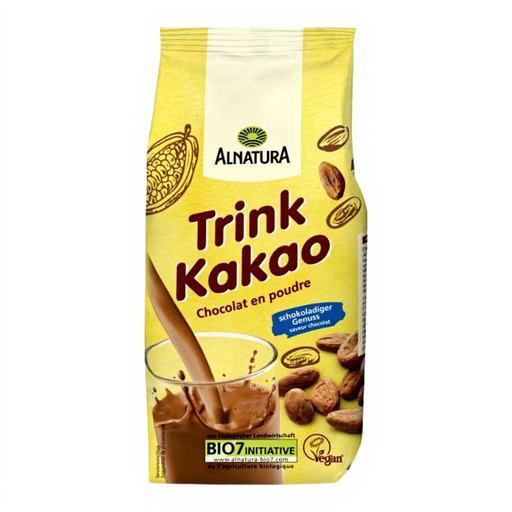
Why this product suits this profile: According to the product details, the blend contains at least 38% cocoa and is certified to DE-ÖKO-001. It can be made with warm or cold milk, or a plant-based alternative.
The stated cocoa content gives you a clear basis for comparison with products that only advertise a chocolate flavour.
Organic certification, a 400 g pack and 38% cocoa according to the product description.
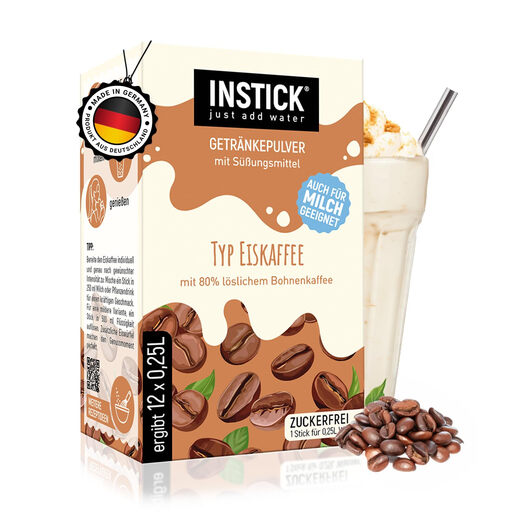
Why this product suits this profile: The individual sticks are designed for the office, travelling and mixing into dairy products. According to the product details, the recipe is sugar-free, gluten-free, lactose-free and vegan.
The portion size is clear. The product also specifies a variable water quantity of 0.5 to 1.5 litres, rather than suggesting a fixed number of servings.
12 individual 30 g sticks, suitable for hot or cold drinks and for use with milk, yoghurt, quark or plant-based alternatives.
We’ve put together a complete, regularly updated list of products that meet these strict selection criteria and fully comply with EU safety regulations.
For cocoa and drinking chocolate, first mix the powder with a small amount of warm or cold milk. Then add the rest of the liquid. When making a hot drink, the water should usually be hot but not boiling, unless the packaging says otherwise. Instant coffee and single-serve sticks generally dissolve when stirred thoroughly.
The best-before date mainly applies to the unopened pack. Once opened, store the powder in a cool, dry place, away from light, and keep it tightly sealed. Moisture can affect how freely it pours and its flavour. Always follow the specific storage instructions on the manufacturer’s label.
Not necessarily. Sugar-free recipes may contain sweeteners or other ingredients that contribute to their nutritional values. So compare the kilocalories per serving and check the ingredients list. If a product contains caffeine or allergens, or you have specific dietary requirements, the information on the packaging is essential.