
Lieferung heute & morgen

Qualitätsgarantie

Willkommens-Angebote freischalten: KOSTENLOSE Lieferung | Bis zu 80 % RABATT | Kostenlose 30-Tage-JoyPlus-Testphase
App herunterladen
A steaming bowl of instant glass noodle soup promises a quick, flavour-packed meal—ideal for an office lunch break or a hassle-free dinner. Yet, the reality in the cup often falls short of expectations. Many products that promise authentic Asian flavours turn out to be a letdown. Before you choose your next quick meal, you should know the common pitfalls that often lead to an unsatisfying experience.
To make an informed decision that goes beyond packaging design, you should examine three core aspects. These will help you objectively assess the quality of an instant glass noodle soup.
The texture and mouthfeel depend directly on the starch used. Pay close attention to the ingredients list to identify the noodle base:
The complexity of the flavour is determined by the type of seasoning. High-quality products often combine several components:
A good instant Tom Yum soup, for example, often includes a paste with lemongrass and galangal, as well as a chilli oil.
A good glass noodle cup offers more than just noodles and broth. Separate sachets with dried vegetables (e.g., pak choi, carrots, spring onions), tofu cubes, sesame seeds, or even pickled ingredients significantly elevate the meal, making it one of those quick Asian meals that is actually filling.
Here are some recommendations tailored to different preferences, which take the aforementioned quality features into account.
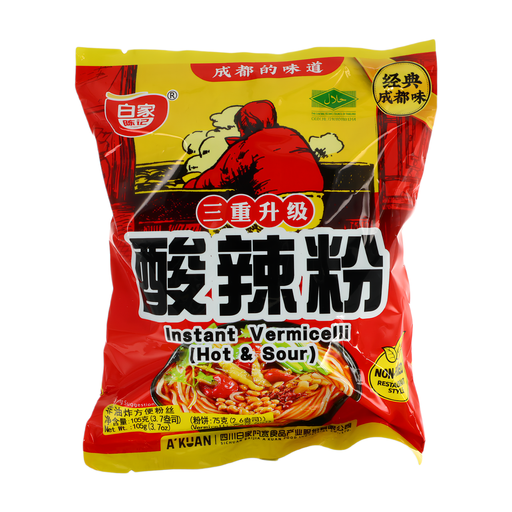
Why This Fits Their Persona: Ideal for those seeking the authentic, complex flavour of a Sichuan hot and sour soup that goes beyond mere heat to offer a distinct tangy note.
Instead of an artificial sourness from powder, this includes a separate sachet of real brewed vinegar. This provides an authentic, multi-layered acidity that bypasses the flavour dilemma.
The base of sweet potato glass noodles (64.83%) provides a pleasantly chewy, elastic texture that doesn't turn mushy in the hot broth.
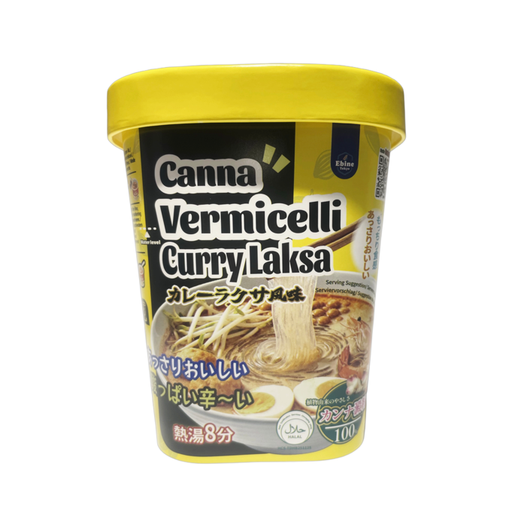
Why This Fits Their Persona: Perfect for connoisseurs who prefer a rich, creamy, and aromatic soup in the style of a Southeast Asian Laksa, without overwhelming heat.
The creamy consistency is created with real coconut powder and whole milk powder, not artificial creamers. This prevents a watery broth and ensures an authentic mouthfeel.
The noodles, made from 100% canna starch, offer a unique, silky texture. A separate chilli powder sachet allows you to customise the level of heat.
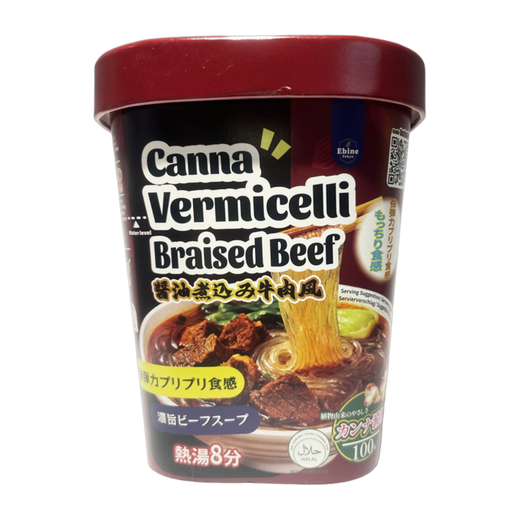
Why This Fits Their Persona: For those to whom the mouthfeel of the noodles is just as important as the broth. This variety puts the unique texture of canna noodles front and centre.
The noodles, made from 100% canna starch, are designed to remain silky and elastic even after the recommended 8-minute steeping time. This prevents the typical soggy consistency found in many other instant glass noodles.
A robust, savoury braised beef-style broth with complex flavours from a separate sauce containing ginger, garlic, and spring onions. Toasted vegetable protein provides extra bite.
We have compiled a complete, up-to-date list of products that fully meet these strict selection criteria and all applicable regulations.
The key is to follow the steeping time instructions precisely. Pour boiling water up to the fill line and close the lid immediately. Noodles made from sweet potato or canna starch often require a longer steeping time (5–8 minutes) than those from mung bean starch (3–5 minutes), but they retain their firm bite better. Only stir the noodles vigorously after the full steeping time has passed.
Mung bean glass noodles are typically thinner, almost transparent, and have a very smooth, soft texture. Sweet potato glass noodles are thicker, greyish-translucent, and are characterised by a much chewier and more elastic consistency. They are particularly well-suited for robust and spicy soups, as they absorb flavours well without losing their structure.
Yes, Asian instant noodles in a cup format are especially practical for this. All you need is access to boiling water. Look for products with multiple seasoning sachets and vegetables to get a more balanced and filling meal. The preparation is quiet and requires no extra dishes, making it a great choice for a lunch break.