
Same-day & Next-day Delivery

Quality Guaranteed

Unlock Your Welcome Offers: FREE Delivery | Up to 80% OFF | Free 30-day JoyPlus trial
Download the APP
Make a creamy drink in just a few minutes – that’s why many people buy instant latte powder. However, blends can vary considerably in their ingredients, serving size, preparation and storage. If you focus only on words such as ‘creamy’, ‘premium’ or ‘hot & cold’, it’s easy to overlook important details.
A latte mix may contain coffee, tea, matcha, spices, or simply milk powder and sweeteners. Instant coffee latte usually contains soluble coffee, while matcha latte powder and chai latte powder use different bases. It’s worth checking the ingredients list and the proportion of the ingredient that gives the drink its flavour before you buy.
In some products, coffee appears towards the end of the ingredients list. This may indicate a milder coffee flavour. If you’re looking for a caffeine-free drink, it’s also important to check whether it contains coffee or tea. Look for information such as ‘contains caffeine’ on the packaging.
Many instant drinks contain sugar, glucose syrup or other sweeteners. Nutritional values per 100 g can be hard to interpret at a glance, particularly when a serving is, for example, 15, 20 or 25 g. To compare products directly, calculate:
A product with lots of individual sachets can be handy when you’re out and about, but it isn’t necessarily cheaper than a resealable pouch.
Not all latte powder dissolves equally well in cold water. Some blends recommend first dissolving the powder in a small amount of hot water, then adding cold liquid or ice. Sprinkling the powder straight into cold water may leave lumps.
So, if you’re choosing latte powder for hot or cold drinks, follow the specific instructions. When making a hot drink, don’t pour boiling water into a sealed travel mug without taking care. Dissolve the powder completely before putting the lid on.
Milk powder, whey powder, lactose, sodium caseinate and other milk ingredients are found in many blends. If you follow a vegan diet, make sure the product is explicitly labelled as plant-based. Soy, sesame and possible traces of other allergens are also worth checking.
The information on the product packaging is the one to follow. Recipes and labelling can change on imported products, so always check the current ingredients and allergen list before consuming.
Typical serving sizes call for around 150 to 200 ml of liquid. Preparing a café latte quickly is especially straightforward with pre-measured sachets. With pouches or tins, you can adjust the strength more to your liking.
Check the recommended amount of liquid:
Individual sachets protect each serving of powder from moisture and make a handy coffee drink for when you’re out and about. If you buy a larger pack, close it carefully after each use. The products listed are generally best stored in a cool, dry place away from direct sunlight.
The best-before date is shown on the relevant packaging. Once opened, moisture and exposure to air can affect the quality. If you have an allergy, also check the labelling and storage instructions for products containing milk ingredients.
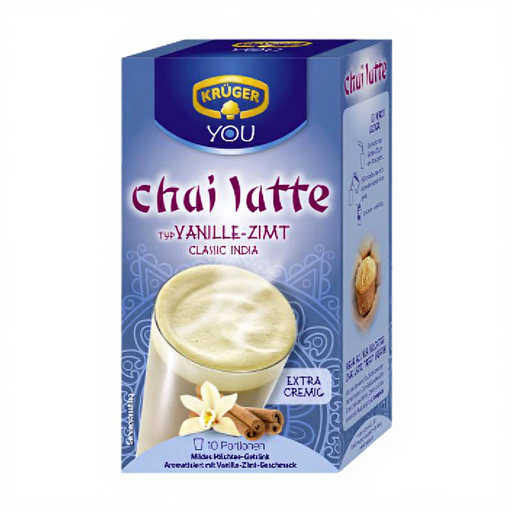
Why this product suits this profile: Ten individually portioned sachets make it easy to measure out at home, in the office or while studying. Prepare with 150 ml of hot, but not boiling, water.
The 25 g serving size is clearly stated. The ingredients list includes black tea extract, cinnamon and vanilla flavourings, among other ingredients, so this is not a coffee latte.
Individual sachets and a specified amount of water make it easy to prepare a quick, consistent drink.
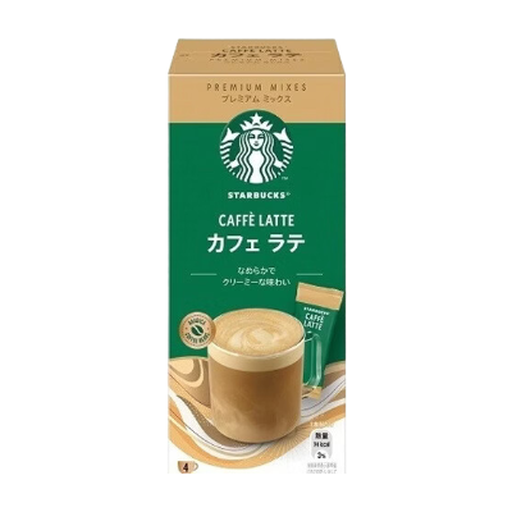
Why this product suits this profile: The individual sachets contain coffee, milk ingredients and creamer powder. The format makes it easy to prepare a measured drink without needing to weigh anything out.
The ingredients, including the milk component, are listed. This makes it easy to distinguish the blend from pure coffee or milk powder.
Compact single-serving sachets, coffee as an ingredient, and a recipe with milk and creamer components.
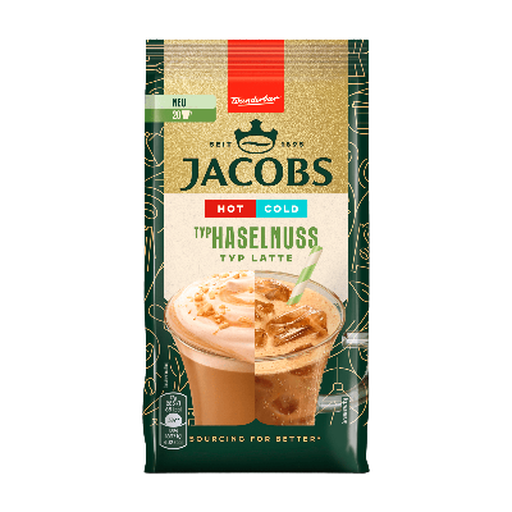
Why this product suits this profile: The 340-g pack is designed for regular use. According to the product description, the powder can be prepared with hot or cold water.
The product information lists 5.6 per cent soluble coffee, as well as milk ingredients and hazelnut flavour. This makes the drink’s base clear.
A larger pack for frequent use, with the option to make hot or cold drinks.
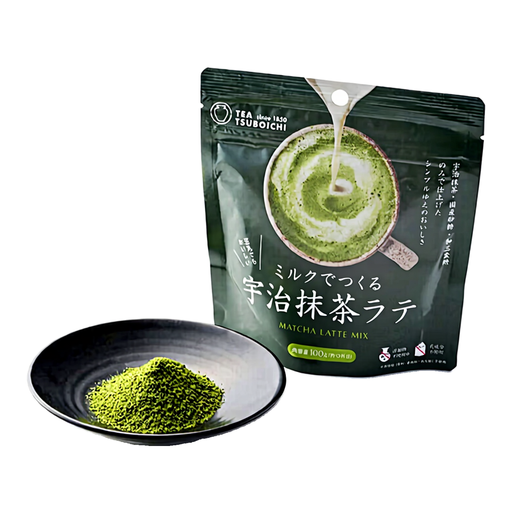
Why this product suits this profile: According to the product information, this Japanese latte mix contains beet sugar, sugar and matcha. Mix it with hot or cold milk, or a plant-based alternative.
The ingredients list is short and clearly includes matcha. The recommended amount of around 10 g per 150 ml makes it easy to measure out.
Suitable for hot or cold drinks, with a recipe that lists no milk ingredients.
Follow the instructions on the packaging. They often recommend 150 to 200 ml of hot water or milk. To make a cold drink, you’ll usually need to dissolve the powder in a little hot liquid first, then add cold milk or ice. The exact amount you use affects the sweetness, strength and texture.
The best-before date applies to an unopened pack stored under the stated conditions. Once opened, keep the powder in a cool, dry place and make sure the pack is sealed tightly. Product-specific instructions such as ‘use within three months’ should be followed.
It depends on the pack size, serving amount, milk used and purchase price. For a fair comparison, divide the price of the pack by the number of servings it can make. Instant powder often means no equipment or maintenance costs, while individual sachets can cost more per serving because of the extra packaging.