
Same-day & Next-day Delivery

Quality Guaranteed

Unlock Your Welcome Offers: FREE Delivery | Up to 80% OFF | Free 30-day JoyPlus trial
Download the APP
A creamy drink without an espresso machine, milk frother or lengthy preparation: instant latte powder is a practical choice for breakfast, the office or when you’re out and about. However, the blends can vary considerably. Some products contain mostly sugar and only a small amount of coffee or tea ingredients, while others are designed for individual servings, cold preparation or plant-based alternatives.
To avoid disappointment, it’s worth looking beyond product names such as “creamy”, “Japanese” or “3in1”. The key factors are the ingredients, serving size, preparation method and allergen information.
In many instant latte drinks, sugar or a so-called creamer forms the base. The actual proportion of instant coffee, matcha or tea may be relatively small. For example, according to the product information, Nescafé 3in1 Creamy Latte Instant Coffee Sticks contain 4.6% instant coffee, while Nescafé Latte Style Instant Coffee lists 9.0% instant coffee.
The same careful approach is useful for matcha products: according to the product details, Goldkili Matcha Latte Powder contains 2% matcha powder. SB Premium Mix Matcha Latte states a matcha content of at least 0.8%, while AGF Blendy Stick Matcha au Lait lists 4% matcha. These figures say nothing about personal taste preferences, but they do help you make an objective comparison.
Coffee latte sticks are easy to measure accurately and are ideal for your desk, luggage or the office kitchen. Larger packs of 230 g, 250 g or 340 g may mean less packaging per drink if you consume them regularly. However, the powder needs to be stored in a dry place and sealed properly after opening.
So don’t just compare the pack price. Check the recommended amount of powder per cup as well. A product with 8 sticks and a 250-g pouch can only be compared meaningfully by looking at the price per prepared serving.
If you prefer a plant-based diet, check the ingredients list and allergen information. JENI Vegan Matcha Latte is described as containing a vegan creamer, but according to the product information it may contain traces of soya or gluten. Many other blends explicitly contain milk powder, whey powder, lactose or sodium caseinate.
Sweetened coffee and matcha blends may also require particular attention. AGF products containing aspartame contain a source of phenylalanine and, according to the product information, are not suitable for people with phenylketonuria.
Start by choosing the base:
Look for specific details such as the coffee, matcha or tea content. With sweet blends, the sugar content per 100 g is also relevant. According to the product data, Krüger You Chai Latte Vanilla-cinnamon contains 71.9 g of sugar per 100 g. This provides a realistic basis for comparison, regardless of advertising claims.
Preparation instructions vary between manufacturers. Krüger recommends using 150 ml of hot, but not boiling, water for one 25-g sachet. Goldkili recommends mixing 2 to 3 teaspoons with 150 to 200 ml of hot water or milk. For a smooth, even result, it’s a good idea to mix the powder with a small amount of liquid first, then top it up.
Whether you can prepare the latte hot or cold depends on the product. According to the product information, AGF Blendy Sticks, Tsuboichi blends and several matcha products are suitable for both options. For cold preparation, the powder usually dissolves more easily if you first mix it with a little hot water, then add cold liquid and ice.
Many classic latte blends are labelled “contains milk”. Soya, sesame or gluten may also be relevant as allergens or in trace warnings. For anyone with intolerances, the packaging is the definitive source, as recipes can change.
After opening, pouches and tins should be stored in a dry, cool place away from direct sunlight. You’ll find the best-before date and current ingredients list on the relevant packaging.
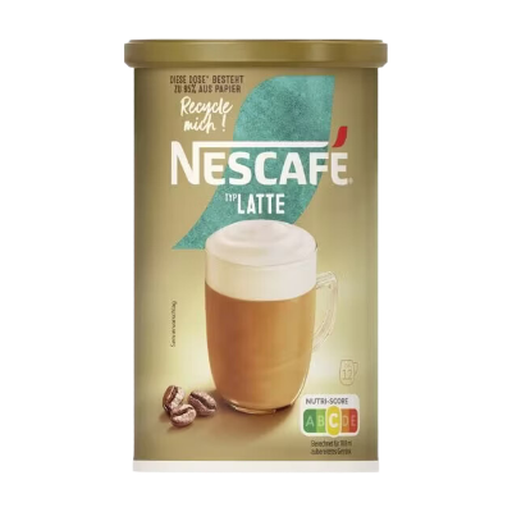
Why this product suits this profile: The 230-g pack is designed for regular cups at home or in the office and is described as containing milk powder and 9.0% instant coffee.
The stated coffee content is clearly specified. You can choose the serving size yourself rather than being limited to individual sticks.
230-g pack; with milk powder; prepare as a latte drink with hot water.
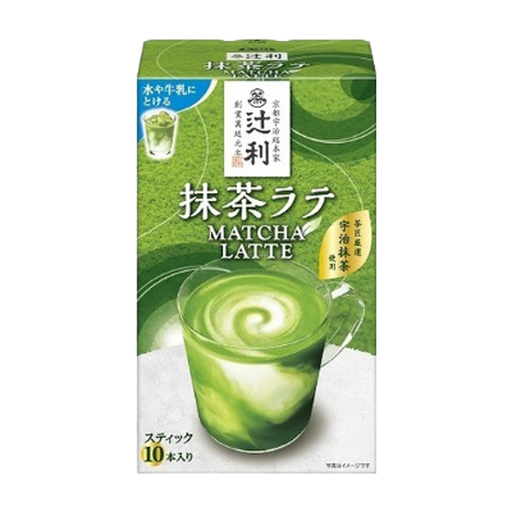
Why this product suits this profile: Individual servings make it easier to measure consistently. According to the product information, the blend contains at least 2% matcha and milk ingredients.
The declared matcha content makes the product description easier to verify than claims based solely on origin or colour.
10 individual servings; at least 2% matcha according to the product information; intended for drinks prepared with liquid.
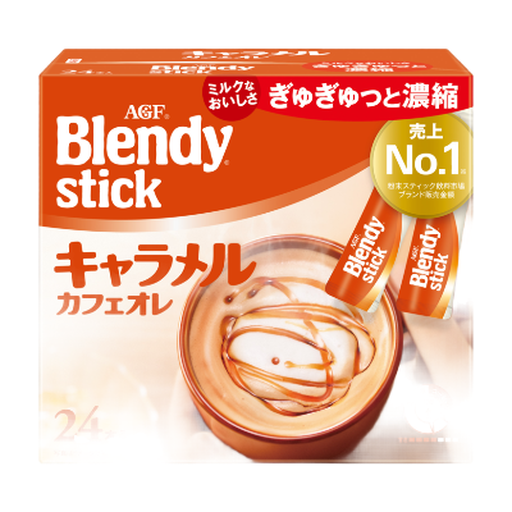
Why this product suits this profile: The sticks are pre-portioned and, according to the product information, suitable for both hot and iced drinks.
The packaging specifies quantities for both hot and cold preparation. This lets you adjust the amount of liquid to suit your preferred drinking temperature.
8 sticks; caramel flavour according to the product name; described as suitable for hot preparation or serving with ice.
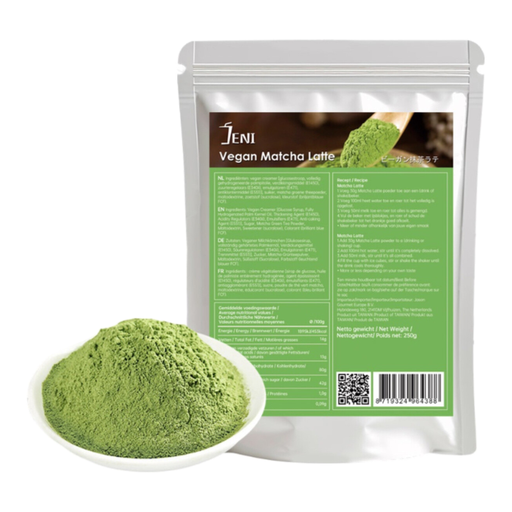
Why this product suits this profile: The product description specifies a plant-based creamer and recommends preparing it with hot water or warm plant-based milk.
Its suitability for plant-based preparation is supported by an ingredients list and a trace warning. Check these details against your personal requirements before buying.
250-g pack; plant-based creamer according to the product information; prepare the matcha drink with water or plant-based milk.
We’ve put together a complete, regularly updated list of products that fully meet these strict selection criteria and the safety regulations applicable in the EU.
For a smooth, creamy hot drink, use the amount of liquid stated on the packaging wherever possible. When using hot water, follow the recommended temperature. Some products are specifically intended to be prepared “hot, not boiling”.
For a latte drink made with dairy or plant-based milk, mix the powder with a small amount of warm liquid first. Then add the remaining milk. With cold versions, this step helps prevent lumps. Reseal opened packs and store them in a dry place. Individual sticks already contain a defined serving; with pouches or tins, a dry measuring spoon can make portioning easier.
This depends on the product information. Some blends, including AGF Blendy Stick Caramel Café au Lait, Tsuboichi Matcha Latte Mix and Goldkili Matcha Latte Powder, are described as suitable for both hot and cold drinks. For cold preparation, first dissolve the powder in a small amount of hot water, then add cold milk or water and ice.
The specific best-before date is printed on the packaging. After opening, store the powder in a dry, cool place, sealed היט היט and protected from heat and direct sunlight. With products supplied as individual sticks, each serving remains separately packaged until opened. Always follow the instructions provided by the relevant manufacturer.
Not all latte powder is vegan. Many products contain milk powder, whey powder, lactose or other milk ingredients. One plant-based option is JENI Vegan Matcha Latte, although its product information also warns of possible traces of soya or gluten. For a safe choice, always check the ingredients list and allergen labelling on the current packaging.