
Lieferung heute & morgen

Qualitätsgarantie

Willkommens-Angebote freischalten: KOSTENLOSE Lieferung | Bis zu 80 % RABATT | Kostenlose 30-Tage-JoyPlus-Testphase
App herunterladen
The selection of Asian instant noodles has evolved far beyond what's typically found on supermarket shelves. For lovers of authentic flavours, this is an exciting development, but the growing variety can also be overwhelming. Many products advertise an "authentic taste" but don't always deliver on that promise. This guide will help you see through the marketing buzzwords and find the right noodles for your palate.
Before you make a purchase, you should be aware of three common pitfalls:
To make an informed decision, you should consider three core parameters. These will help you find the exact type of Asian instant noodles you're looking for.
The foundation of any noodle dish is the noodle itself. The choice of raw material directly impacts texture and mouthfeel.
The preparation method defines the entire dish. While classic instant noodles are served as a soup, dry varieties are gaining popularity. With these, the noodles are drained after cooking and then mixed with a concentrated sauce. Chilli oil noodles, in particular, are prepared this way, allowing the sauce's flavours to shine more intensely. This method is typical for many quick Asian meals from regions like Sichuan or Taiwan.
Not all spice is created equal. If you specifically want to buy spicy instant noodles, pay attention to the origin of the seasoning.
Here are some recommendations tailored to different preferences and profiles.
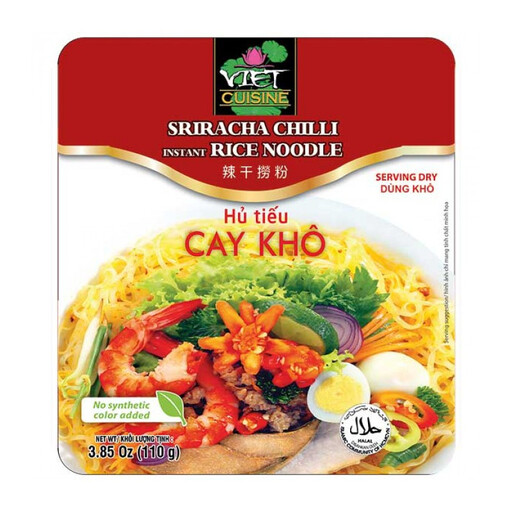
Why This Fits Their Persona: Ideal for those seeking a familiar yet robust spiciness. The in-tray preparation is straightforward and perfect for a quick meal at the office or at home.
The product delivers a clearly defined Sriracha heat instead of a vague "spicy" flavour. The rice noodles offer an authentic texture that stands out from standard wheat noodles.
Extremely quick to prepare (just add hot water). The flavour is spicy and slightly tangy without being overly complex.
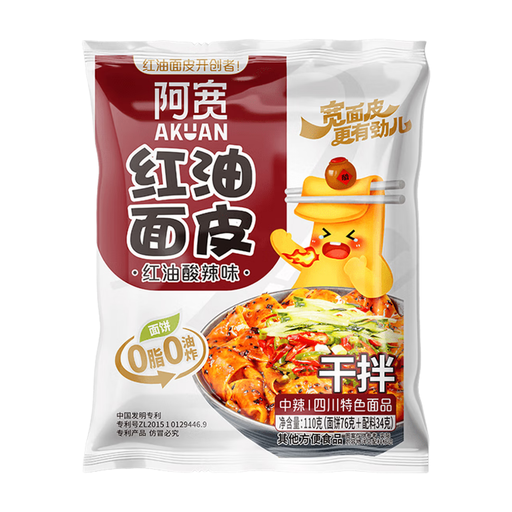
Why This Fits Their Persona: Perfect for food enthusiasts who want to experience the characteristic, numbing tingle of Sichuan peppercorns. These dry-mix noodles are a prime example of modern Chinese noodles.
The ingredient list explicitly names Chinese prickly ash (0.2%), which guarantees the authentic málà effect. The wide, non-fried noodles provide the right texture to soak up the rich sauce.
Offers a complex sour-and-spicy flavour profile. The wide wheat noodles have a pleasant, chewy consistency.
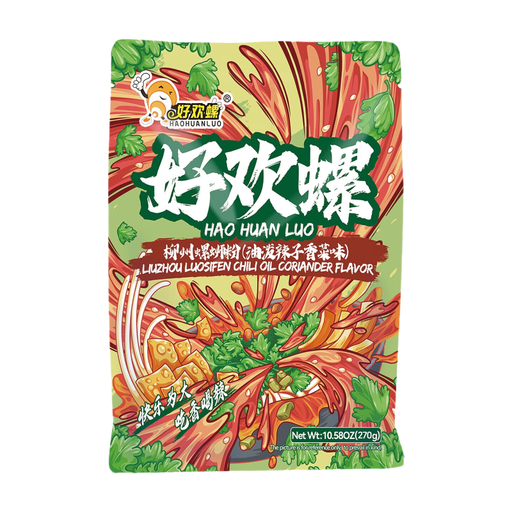
Why This Fits Their Persona: For adventurous eaters looking for an intense and multi-layered flavour experience. Luosifen is a famous dish from Liuzhou, known for its pungent, sour broth and variety of toppings.
This product is not a generic "Asian" dish. It represents a very specific regional specialty (Luosifen) with ingredients like sour bamboo shoots and fermented tofu, which go far beyond standard flavours.
Includes numerous separate topping packets (peanuts, bamboo shoots, etc.) for a rich dining experience. The broth is a complex blend of sour, spicy, and umami.
We have compiled a complete, up-to-date list of products that fully meet these strict selection criteria.
With soup noodles, the noodles are cooked and served in a broth. With dry noodles (often labelled as "Dry Mix"), the noodles are cooked, the water is almost completely drained, and the noodles are then mixed with a concentrated sauce and oil. This method leads to a more intense and direct flavour experience.
Most products, especially chilli oil noodles, come with separate seasoning packets. The chilli oil or chilli powder is often in its own sachet. To control the heat, start by adding only a portion of the contents, taste, and then adjust the amount according to your personal preference.
Non-fried noodles are preserved through hot air drying instead of being deep-fried in oil. According to manufacturers' nutritional information, this generally results in a lower fat content. In terms of taste, they often offer a chewier and more elastic texture, which many perceive as higher quality and closer to that of freshly prepared noodles.