
Lieferung heute & morgen

Qualitätsgarantie

Willkommens-Angebote freischalten: KOSTENLOSE Lieferung | Bis zu 80 % RABATT | Kostenlose 30-Tage-JoyPlus-Testphase
App herunterladen
Instant noodles have become a staple in many kitchen pantries. Whether as a quick lunch at the office, a comforting snack after a long day, or a culinary journey into the world of Asian flavours, the variety is immense. But this very variety can also be a pitfall. Not every product lives up to the promise of its colourful packaging. As your Joybuy Product Recommendation Officer, I'm here to help you separate the good from the bad and make a choice that truly fits your needs.
Before you make a purchase, be aware of common marketing tricks and product characteristics that often lead to disappointment.
To find the right instant noodles for your purpose, you should check two to three key factors. These will help you make an informed decision.
The type of packaging often gives the first clue about the preparation effort required.
Not all noodles are created equal. The base of the noodle significantly determines the taste and mouthfeel.
The range extends from familiar European flavours to specialised Asian ready-meals.
Here are some recommendations tailored to different needs and flavour profiles.
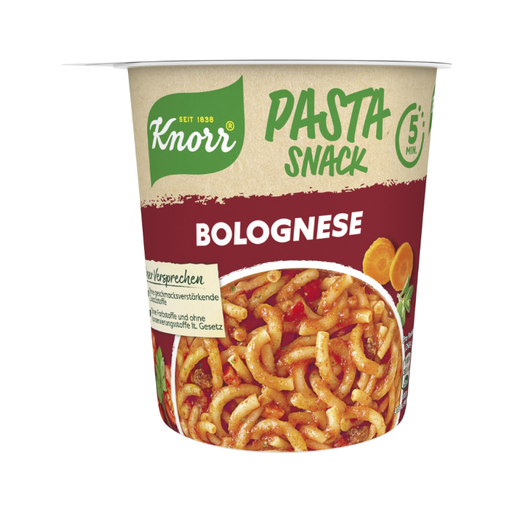
Why This Fits Their Persona: Ideal for professionals or students who need a quick, uncomplicated, and warm meal right at their desk. No extra dishes or hob required.
The preparation is clearly defined as "add boiling water." The product is exactly what it promises: a simple pasta snack in a cup, not a gourmet meal.
Ready in just 5 minutes; familiar, classic Bolognese flavour; according to the manufacturer, it contains no added flavour enhancers.
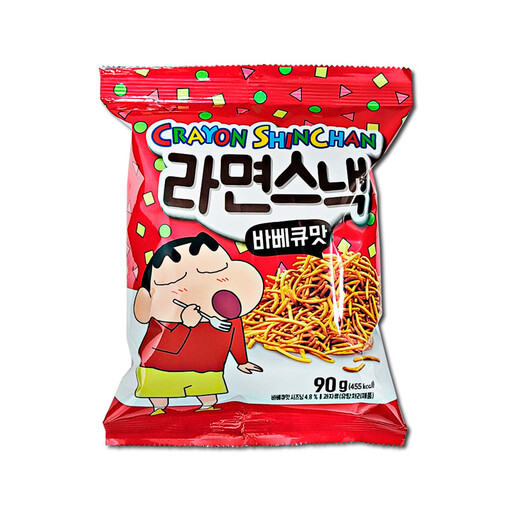
Why This Fits Their Persona: Perfect for fans of Asian pop culture (anime, gaming) looking for a novel and authentic snack. The crispy ramen snack is a welcome change from potato chips.
The product is clearly labelled as a crispy "Ramen Snack," not a noodle soup. This sets the right expectation from the start—it's a dry, crunchy snack.
Ready to eat instantly, no cooking required; unique, crispy texture; bold and smoky barbecue flavour.
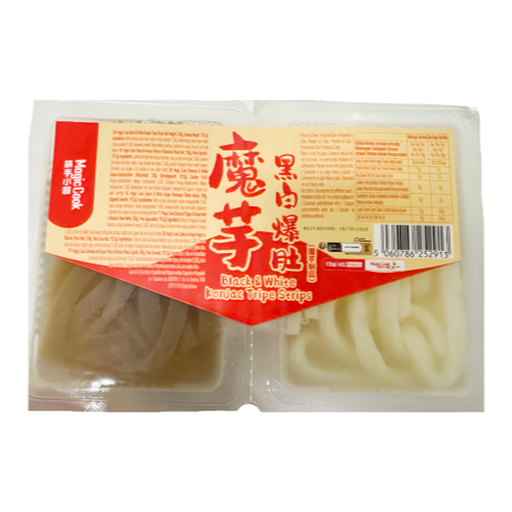
Why This Fits Their Persona: For anyone looking for a low-calorie, low-carb, and versatile ingredient for their meals. Ideal for salads, hot pot, or as an addition to soups and stir-fries.
The product is clearly labelled as "Konjac" and is not a classic instant noodle meal. The nutritional information is transparent and highlights its low-calorie content.
Extremely low in calories (6-20 kcal per 100g, according to the manufacturer); versatile in use; firm, interesting texture; quick to prepare (just rinse).
We have compiled a complete, up-to-date list of products that fully meet these strict selection criteria and comply with German regulations.
1. What is the difference between ramen snacks and cup noodles? Cup noodles are a mini-meal prepared with hot water to create a noodle soup or pasta dish. Ramen snacks, on the other hand, are dry, crispy noodle pieces eaten directly from the packet and do not require cooking. They are more comparable to chips or crackers.
2. How can I identify the spice level of Asian ready-meals? Look for symbols like chilli peppers on the packaging or terms such as "scharf," "spicy," "hot," or "mala" (a numbing spiciness from Sichuan cuisine). If you're unsure, start with a smaller amount of the seasoning or oil packet and adjust the heat to your liking.
3. Are konjac noodles a complete meal? By themselves, konjac noodles are not a complete meal, as they contain hardly any nutrients like protein or fat. They are an excellent base for adding volume to a meal without adding many calories. Combine them with vegetables, a protein source (like tofu, chicken, or prawns), and a flavourful sauce to create a balanced dish.