
Lieferung heute & morgen

Qualitätsgarantie

Willkommens-Angebote freischalten: KOSTENLOSE Lieferung | Bis zu 80 % RABATT | Kostenlose 30-Tage-JoyPlus-Testphase
App herunterladen
Instant noodle cups are a convenient solution for a quick office lunch, a hassle-free meal for students, or when you're simply short on time at home. The variety of Asian noodle soups is enormous, but not every cup delivers what its colourful packaging promises. Before you buy cup noodles next time, you should know the common pitfalls that often lead to a flavour disappointment.
This guide will help you separate marketing promises from facts and make an informed choice.
Common Pitfalls When Buying Instant Noodle Cups:
To find a good noodle soup in a cup, it's helpful to focus on objective criteria rather than advertising messages. Pay attention to the following three parameters to better assess the quality.
The quality of the noodles is fundamental to the eating experience. Most instant ramen is based on wheat flour. However, the texture is significantly influenced by other ingredients:
The broth defines the character of the meal. Instead of being swayed by flowery names, the ingredients list provides insight into the actual composition.
The toppings should be more than just decoration. Higher-quality products use ingredients that contribute to the texture and flavour after rehydration.
Based on the objective criteria above, we have curated a few products for different preferences.
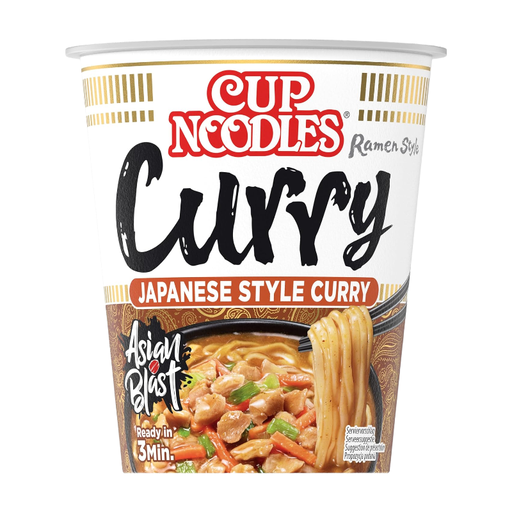
Why This Fits Their Persona: Ideal for anyone looking for a familiar and reliable flavour for a quick lunch without experiments. A classic found in many office drawers.
Nissin's curry flavour is established and consistent, which avoids disappointments from vague flavour promises. The noodle quality is known for maintaining a good structure even after steeping.
Balanced, rich Japanese curry flavour. Preparation is straightforward and completed in three minutes.
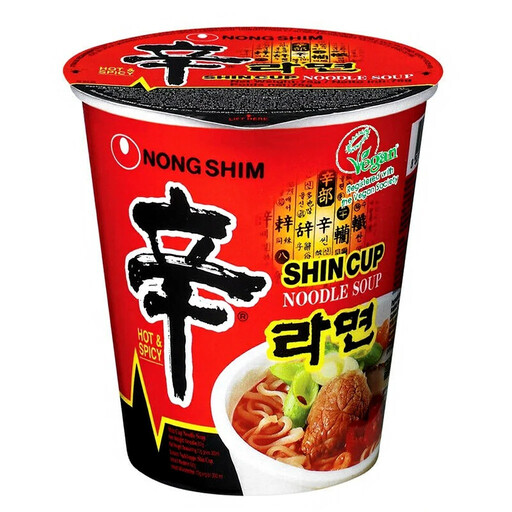
Why This Fits Their Persona: For anyone actively seeking a spicy and robust flavour profile. Shin Ramyun is a well-known representative of Korean instant ramen, famous for its distinct heat.
This product delivers the expected spiciness without beating around the bush. The thicker noodles retain their firm structure and don't become mushy, counteracting the problem of noodle disintegration.
Powerful, savoury broth with a distinct heat from red pepper. The toppings include green onions, mushrooms, and carrots.
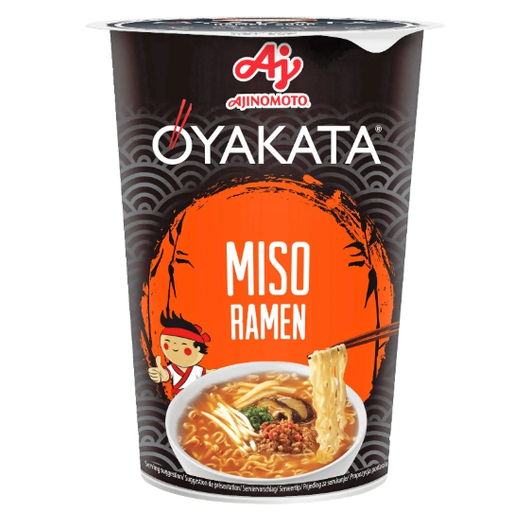
Why This Fits Their Persona: A great choice for those who want to explore classic Japanese ramen flavours like miso in a convenient format that echoes the taste of ramen restaurants.
The ingredients list, featuring miso bean paste powder, indicates a solid flavour base rather than relying solely on generic 'flavourings'. This bypasses the trap of a flat, one-dimensional taste.
Clear miso profile based on soybean paste. The broth is complemented by toppings like corn, carrots, and spring onions.
We have compiled a complete, up-to-date list of products that fully meet these strict selection criteria.
With just a few simple ingredients, you can significantly enhance a noodle soup cup. A soft-boiled egg, freshly chopped spring onions, a slice of processed cheese, or a few drops of sesame oil can greatly improve the flavour and texture and make it more filling.
Look for explicit labels on the packaging like "hot," "spicy," or symbols with chilli peppers. A glance at the ingredients list also helps: ingredients like chilli, pepper, or specific spice pastes indicate heat. Brands like Nongshim are generally known for their savoury and often spicy products.
No, there is an enormous variety. Japanese ramen (e.g., Miso, Shoyu, Tonkotsu), Korean ramyun (often spicy, e.g., with kimchi flavour), Thai Tom Yum (sour-spicy), and Vietnamese Pho variations offer completely different flavour profiles based on their respective regional broths and spices. Exploring the different types is part of the appeal of these quick meals.