
Lieferung heute & morgen

Qualitätsgarantie

Willkommens-Angebote freischalten: KOSTENLOSE Lieferung | Bis zu 80 % RABATT | Kostenlose 30-Tage-JoyPlus-Testphase
App herunterladen
The selection of Asian instant noodles available in the UK and Europe has grown enormously. But with more variety comes more uncertainty. Many packages promise authentic flavour but often deliver a disappointing version adapted for the Western palate. Others, labelled as "spicy," offer little more than a simple, one-dimensional heat.
This guide will help you avoid the most common purchasing pitfalls and find products that actually deliver on their promises. We focus on objective criteria so you can make an informed decision for your next quick Asian meal.
To avoid being let down by marketing promises, it's helpful to understand three core aspects that significantly determine the quality and flavour experience of instant noodles.
The texture of the noodles is fundamental to the eating experience. There are two basic types:
Authenticity lies in the details of the seasoning mix. Instead of relying on vague terms like "spicy," look for specific ingredients that point to a particular regional cuisine.
The preparation method affects the entire dish.
Here are some recommendations tailored to different preferences, taking the above criteria into account.

Why This Fits Their Persona: Ideal for beginners seeking aromatic spice without extreme intensity. The combination of fragrant chili oil and creamy sesame paste creates a balanced, nutty-savory flavor experience that isn't overwhelming.
Avoids the trap of one-dimensional heat. The sesame paste provides a depth and creaminess that perfectly complements the chili oil.
Non-fried, wide noodles with an elastic texture. The dry mix preparation concentrates the flavor.
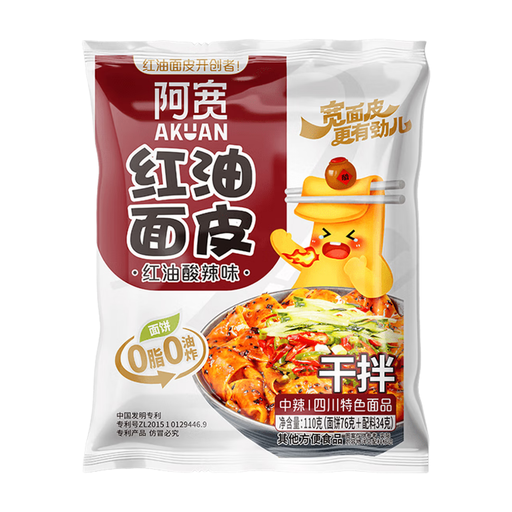
Why This Fits Their Persona: Perfect for anyone seeking the authentic "Suan La" (sour and spicy) flavor of Chinese noodles from the Sichuan region. The combination of fermented vinegar, chili oil, and a hint of Sichuan spice is unmistakable.
Instead of a simple vinegar note, this uses fermented vinegar, which provides a complex, well-rounded acidity and avoids the "inauthentic" taste of many competing products.
Authentic sour-and-spicy profile. The wide, chewy noodles absorb the sauce exceptionally well.
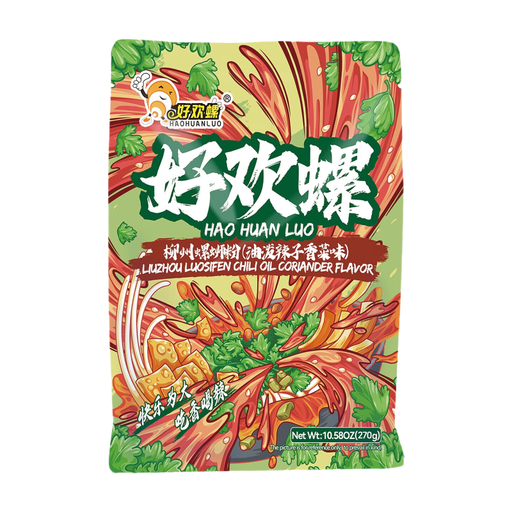
Why This Fits Their Persona: For those specifically seeking Luosifen or wanting to venture into a truly unique and intense flavor experience. The aroma takes some getting used to, but the taste is complex and multi-layered.
This is the opposite of a Westernized product. It delivers the full, unadulterated Luosifen experience, including the characteristic fermented bamboo shoots.
A complete meal with multiple toppings like sour bamboo shoots, peanuts, and fermented tofu. The rice noodles have a smooth, elastic texture.
We have compiled a complete, up-to-date list of products that fully meet these strict selection criteria and comply with European regulations.
The main difference lies in the preservation process. Fried noodles are cooked in oil, which makes them more porous and results in a very fast cooking time. Non-fried noodles are air-dried, which makes their structure firmer and chewier. They often take a bit longer to cook but are closer in texture to freshly cooked noodles.
Check the ingredients list. Terms like "fermented vinegar," "Sichuan peppercorn," "star anise," "fermented soybean paste," or "fermented bamboo shoots" are indicators of a specific, regional flavor profile. Vague descriptions like "Asian style" or "spicy seasoning" often suggest a less authentic, generalized product.
Luosifen is a noodle soup from Liuzhou, China. Its defining feature is the broth, which is made from river snails and pork bones, and the side of pickled bamboo shoots. During fermentation, these shoots develop a very strong, and for many, unfamiliar smell. However, the flavor of the soup itself is a complex blend of sour, spicy, salty, and umami. Those who dare are often rewarded with a unique culinary experience.