
Lieferung heute & morgen

Qualitätsgarantie

Willkommens-Angebote freischalten: KOSTENLOSE Lieferung | Bis zu 80 % RABATT | Kostenlose 30-Tage-JoyPlus-Testphase
App herunterladen
By Joybuy Product Recommendation Officer, July 28, 2026
A steaming hot pot, surrounded by family and friends, is the epitome of social dining. Everyone cooks their favourite ingredients in the simmering broth—an interactive and culinary experience. However, the search for the right hot pot can quickly become overwhelming. Not every model lives up to its promises, and well-intentioned purchases often lead to disappointment at the dinner table.
Before you invest, you should know the three most common pitfalls that can spoil the cooking experience:
This guide will help you navigate these issues and find a model that perfectly suits your needs.
To avoid a bad buy, focus on a few essential technical features. These determine durability, functionality, and your overall cooking enjoyment.
The material significantly influences heat conduction and retention. The most common options are stainless steel and cast iron.
If you want to serve two different broths, the quality of the divider is crucial. There are two basic designs:
Consider where and how you want to use the pot.
Here are some models that are suitable for different user profiles based on their objective features.
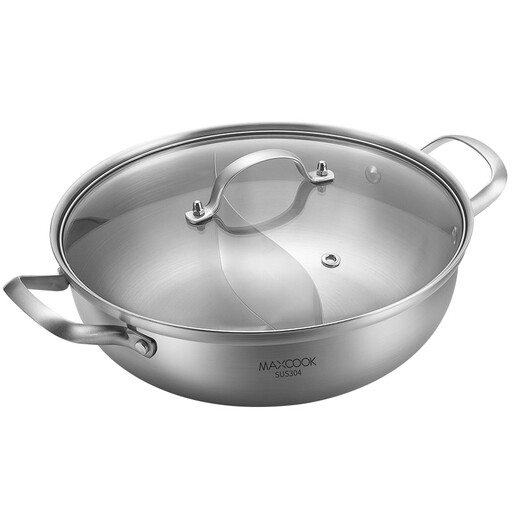
Why This Fits Their Persona: Ideal for social gatherings where different tastes (e.g., spicy and mild) come together. The classic yin-yang design allows for serving two broths in one pot.
The integrated S-shaped divider reliably prevents the broths from mixing. The three-layer base made of 304 stainless steel ensures even heat distribution and minimises burning.
Two flavours in one pot; robust construction from durable stainless steel; glass lid for monitoring the cooking process.
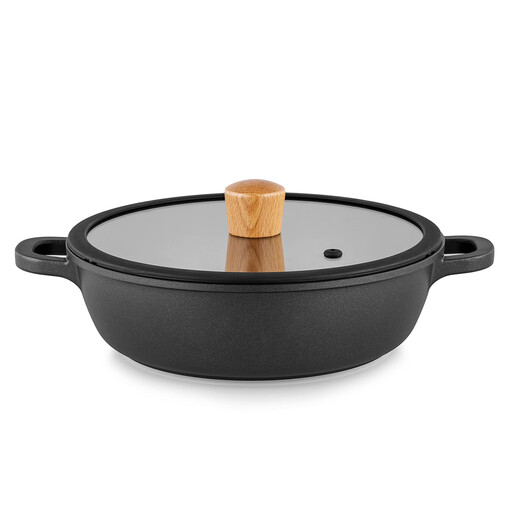
Why This Fits Their Persona: Perfect for anyone who wants to prepare more than just hot pot. This shallow tabletop pot is also excellent for Japanese shabu-shabu, sukiyaki, or for searing ingredients right at the table.
The die-cast aluminium body ensures excellent and even heat conduction, which prevents hot spots. The non-stick coating prevents food from sticking and makes cleaning easier.
Multifunctional for boiling, frying, and braising; suitable for all hobs including induction; PFOA-free non-stick coating according to the manufacturer.
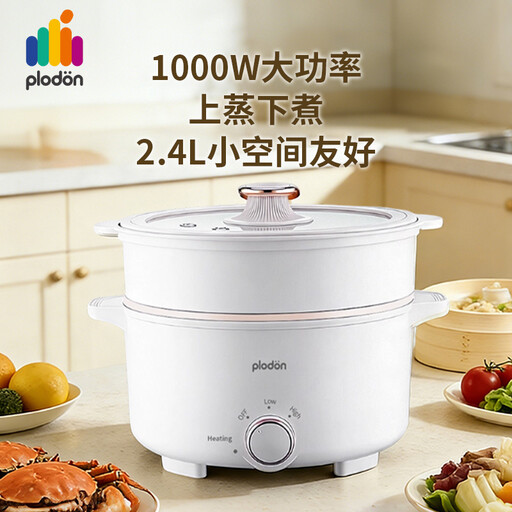
Why This Fits Their Persona: The ideal solution for small households, students, or for use in the office. This electric pot doesn't require a separate hob and is ready to use immediately—just plug it in and get started.
The problem of hob incompatibility is completely avoided. The two-stage power control (up to 1000W) allows for good temperature management and prevents uncontrolled boiling over or burning.
Integrated heating function for maximum flexibility; compact design for easy storage; includes a steamer attachment for added versatility.
We've compiled a complete, up-to-date list of products that fully meet these strict selection criteria and German safety regulations.
What is the difference between a hot pot and a classic fondue pot? The main difference lies in their use and shape. A classic cheese or chocolate fondue pot (caquelon) is often made of ceramic or cast iron, has a bulbous shape, and is kept warm over a réchaud with a burner. An Asian-style hot pot or shabu-shabu pot is usually wider and flatter, often made of metal, and designed for cooking ingredients in hot broth on a stovetop or with an integrated heater.
How can I tell if a hot pot is suitable for induction? Look for the official induction symbol (a stylised coil) on the packaging or the bottom of the pot. Alternatively, you can hold a magnet to the base. If the magnet sticks firmly, the pot is magnetic and therefore suitable for induction hobs. Pots made of pure aluminium or copper will not work without a special ferromagnetic base.
What is the most effective way to clean a hot pot with a divider? After use, soak the pot in warm water with a little washing-up liquid to loosen any dried-on residue. Use a soft brush or sponge to clean the inner walls, especially along the divider. Avoid abrasive steel wool or harsh scouring agents, as these can damage the surface (especially on coated pots). Rinse the pot thoroughly and dry it to prevent water spots.