
Lieferung heute & morgen

Qualitätsgarantie

Willkommens-Angebote freischalten: KOSTENLOSE Lieferung | Bis zu 80 % RABATT | Kostenlose 30-Tage-JoyPlus-Testphase
App herunterladen
By a Joybuy Product Recommendation Officer, August 28, 2026
Instant noodles have become a staple in many household pantries. In particular, Asian potato noodles are enjoying growing popularity, as they offer a special, pleasantly chewy texture. However, the market can be overwhelming, and not every product with "potato" in its name delivers on its promise. Before you spend your money on disappointing products, you should know the common pitfalls.
This guide will help you separate marketing hype from reality and find the instant potato noodles that perfectly suit your palate.
Many shoppers are swayed by packaging or bold advertising claims, only to be disappointed after cooking. These two problems are especially prevalent:
To avoid these pitfalls, you should check two key product features before you buy. This information can usually be found on the packaging or in the online product description.
The key to achieving that desirable texture lies in the ingredients list. Make sure that Potato Starch or Sweet Potato Starch is listed as high up on the ingredients list as possible. This signals a significant proportion that provides the typical elasticity. Some brands, such as Samyang Potato, even declare the percentage directly. If you are specifically looking to buy noodles with potato starch, this point is non-negotiable.
The quality of an instant meal lives and dies by its seasoning. There are clear differences here:
A combination of a paste and an oil is often an indicator of a well-crafted and flavourful product.
Based on these objective criteria, we have selected a few products from our range that cater to different preferences.
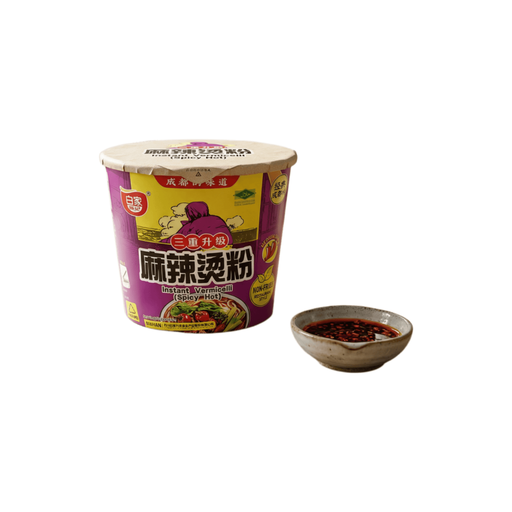
Why This Fits Their Persona: Ideal for connoisseurs seeking the authentic "mala" flavour of Sichuan cuisine—a complex spice that is both fiery and numbing, going far beyond simple heat.
This product avoids the one-dimensional seasoning trap with an authentic "malatang" spice base that delivers a multi-layered heat.
Noodles made from sweet potato starch for an authentic texture; convenient bowl for a quick meal with no extra dishes.
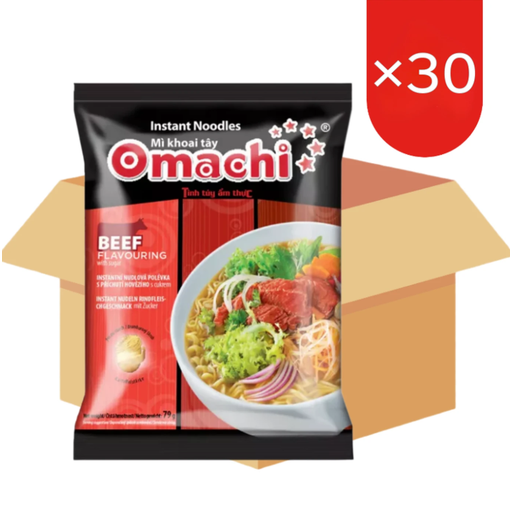
Why This Fits Their Persona: Perfect for a quick yet satisfying meal reminiscent of a classic stew. A great choice for an office lunch break or an easy dinner.
The rich seasoning paste provides the deep flavour of instant beef noodles, avoiding the trap of a bland powder-based broth.
A combination of a rich beef stew sauce and potato-based noodles for a pleasantly firm, al dente texture.
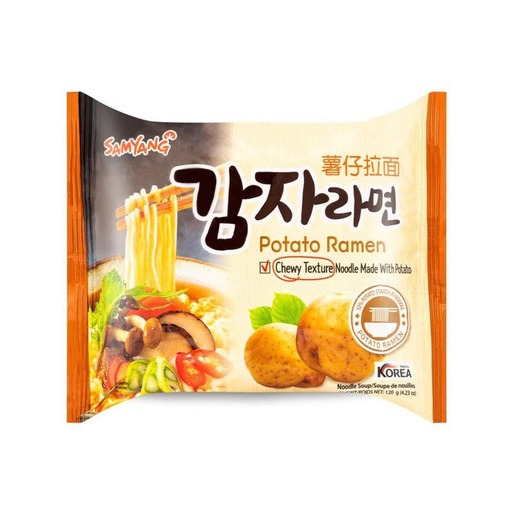
Why This Fits Their Persona: For food enthusiasts specifically seeking the special, springy, and "chewy" texture that defines authentic potato ramen and sets it apart from standard wheat noodles.
The high percentage of potato starch (46% according to the manufacturer) is a clear quality indicator, preventing the disappointment of overly soft noodles (avoids trap #1).
Noticeably springy and chewy noodle texture thanks to the high potato starch content; a savoury, well-balanced broth that isn't overly spicy.
We have compiled a complete, up-to-date list of products that fully meet these strict selection criteria.
What is the main difference between instant potato noodles and conventional instant ramen? The key difference is the texture. By using potato starch (often in combination with wheat flour), Asian potato noodles gain a distinctly more elastic, tougher, and "chewy" consistency. Conventional ramen made purely from wheat is often softer and has less bite.
Are all potato noodles spicy? No, there is a wide variety of flavours. While many well-known Korean ramen or Chinese noodles have a pleasant to intense heat, there are numerous mild options. The spectrum ranges from savoury beef-flavoured broths and sour-and-spicy shrimp soups to creamy spaghetti-style interpretations.
How can I identify high-quality instant potato noodles before buying? A look at the ingredients list is revealing. Potato Starch should be high on the list. Some manufacturers, like Samyang, even specify the percentage. Also, pay attention to the type of seasoning: seasoning pastes and oils often indicate a more complex flavour profile than simple powder mixes.