
Lieferung heute & morgen

Qualitätsgarantie

Willkommens-Angebote freischalten: KOSTENLOSE Lieferung | Bis zu 80 % RABATT | Kostenlose 30-Tage-JoyPlus-Testphase
App herunterladen
When you're short on time or simply don't feel like cooking, instant soups are a convenient solution for a warming meal. Whether for the office, university, or as a quick addition to dinner, the selection is vast. However, not every soup delivers what the packaging promises. Many products turn out to be a flavour disappointment or are less nutritionally beneficial than expected. As your Joybuy Product Recommendation Officer, I'll help you navigate the common pitfalls and make an informed choice.
Marketing promises can be misleading. Pay attention to these three points to avoid falling for empty advertising claims.
To make a good choice, it's not the promotional images but the facts on the packaging that matter. Focus on these three core aspects.
The ingredients list is ordered in descending quantity. The ingredient listed first is the most abundant.
The type of packaging largely determines the convenience and preparation time.
A soup can be a light snack or a complete meal. The nutrition table provides the details.
Here are some recommendations tailored to different requirements that take the aforementioned pitfalls into account.
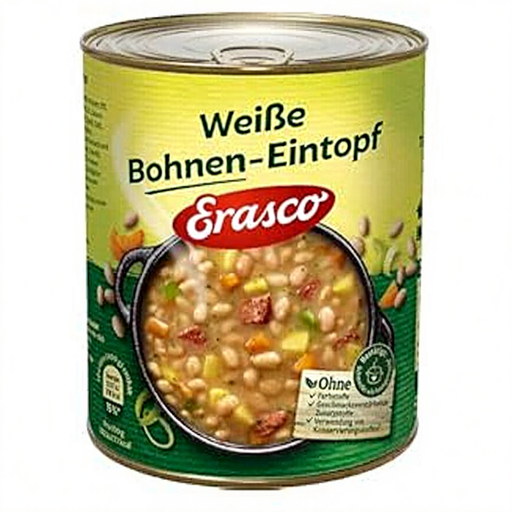
Why This Fits Their Persona: Ideal for those who want a hearty, traditional meal without the effort of cooking. The stew is ready to serve and offers a filling portion reminiscent of home cooking.
The ingredients list clearly declares a high proportion of white beans (33%) as well as potatoes (8.5%) and real smoked bacon. This avoids the 'empty promises' trap of minimal fillings.
A filling meal thanks to its high content of plant-based protein and fibre. Ready to serve and quickly heated in a pot or microwave.
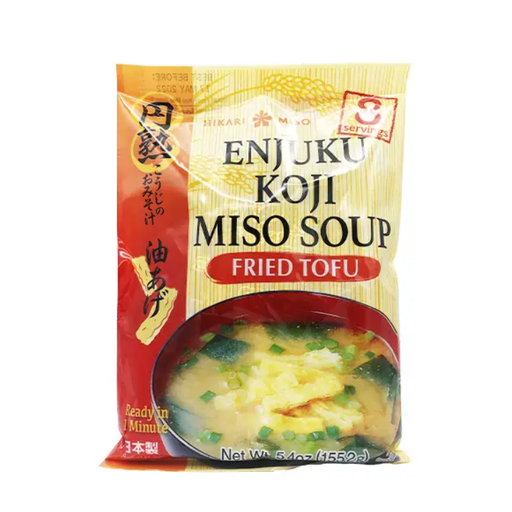
Why This Fits Their Persona: Perfect for lovers of Japanese cuisine who want to prepare an authentic miso soup without much effort. Offers a flavourful change from classic European soups.
This product uses a fresh miso paste instead of powder and explicitly declares 'no MSG added'. This counters the artificial flavourings trap and ensures a complex umami taste.
Made with aged koji miso for a deep flavour. Convenient single-serving packets preserve freshness and are ideal for a quick, light meal.
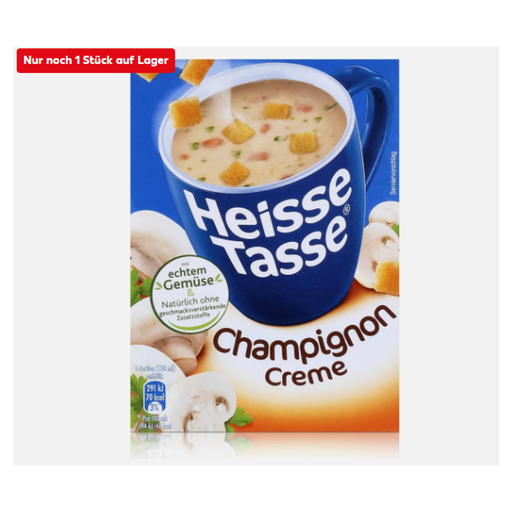
Why This Fits Their Persona: The perfect solution for a quick, warming break at your desk. It only requires hot water and a mug—no kitchen or microwave needed.
The product is clearly designed as a small mug-sized portion (150 ml). This bypasses the misleading portion size trap, as the user knows it's a snack, not a full meal.
Extremely quick and straightforward preparation. The individual packets are practical for taking to the office or on trips.
We have compiled a complete, real-time list of products that fully satisfy these strict selection criteria and UK safety regulations.
1. How long do instant soups last after opening? This depends on the type of soup. Opened canned soups or stews should be transferred to a non-metallic container, stored in the refrigerator, and consumed within two days. The contents of packet soups (dry mixes) should be stored in an airtight container after opening to maintain quality.
2. How can I identify an instant soup with high-quality ingredients? A critical look at the ingredients list is crucial. Look for a high percentage of the main ingredient (e.g., vegetables, meat). Favour products that use real herbs and spices instead of "flavourings" or flavour enhancers. A low salt and sugar content is also a positive sign.
3. Can you enhance the flavour of instant soups? Yes, absolutely. A simple cream soup can be enhanced with fresh herbs like parsley or chives, a spoonful of crème fra?che, or toasted croutons. Fresh vegetables, noodles, or leftover cooked chicken go well with a clear broth or a chicken soup. This way, a simple instant soup can quickly become a more personalised meal.