
Lieferung heute & morgen

Qualitätsgarantie

Willkommens-Angebote freischalten: KOSTENLOSE Lieferung | Bis zu 80 % RABATT | Kostenlose 30-Tage-JoyPlus-Testphase
App herunterladen
Instant tea powder saves time: measure the powder, add water, stir – and you’re done. Even so, tea drink powders differ significantly in ingredients, sweeteners, portion sizes and preparation methods. If you only look at flavour pictures or terms like “sugar-free”, “vegan” or “3-in-1”, you could easily buy a product that doesn’t suit your daily routine.
A sugar-free drink powder can contain sweeteners such as sucralose or acesulfame K. Other mixes, on the other hand, are predominantly sugar-based and, according to product information, can provide more than 400 kcal per 100 g of powder. What really matters, therefore, is the nutritional information per prepared serving, not just the front of the packaging.
A drink powder labelled as vegan may be made without milk ingredients, but can carry warnings about possible traces of soya or gluten. With milk tea powder and chai latte powder, milk, whey powder or sodium caseinate are often explicitly listed as allergens. You should check the ingredients list and allergen labelling before buying.
With a 500 g bag, it’s not just the weight that counts, but the recommended amount per drink. A portion stick yielding 0.5 to 1 litre can be more practical for the office, travel or a sports bag than a large bag. With bubble tea kits, you also need to consider whether tapioca pearls are included and how many portions you can actually make.
For an instant drink, solubility is a key point. Some products are mixed with 150 ml of hot water, while others dissolve in 0.5 to 1 litre of cold or sparkling water. With iced tea powder, it’s often recommended to dissolve the powder in a little warm water first, then add cold water and ice.
Matcha powder is an exception: pure matcha is usually sifted and whisked with water at around 70 to 80 °C. Boiling water can alter the flavour. A matcha mix with dextrin or vitamin C, on the other hand, is not the same as pure matcha.
For a targeted choice, the following information is relevant:
Don’t just compare the price per pack, but the price per prepared drink. A product with 12 sticks, each yielding 0.5 to 1 litre, can have a different yield depending on dosage compared to a 60 g latte mix using 20 to 30 g per cup. With milk tea powder, chai latte powder and bubble tea powder, you should also consider the sugar content of the tapioca pearls or syrup components.
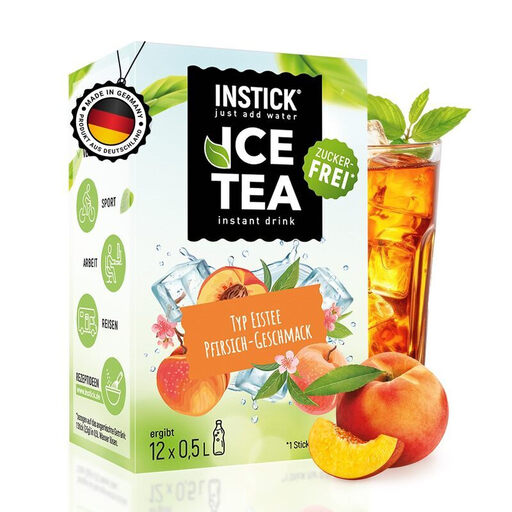
Why this product fits the profile: The pack contains 12 sticks. Depending on the desired strength, one stick yields 0.5 to 1 litre of drink according to the product information. This makes it ideal for getting started with sugar-free iced tea powder.
The yield per stick is clearly stated. This makes it easier to compare the quantity needed with a large pack. Ingredients and sweeteners should be checked on the packaging.
Vegan according to the product description, sugar-free per the supplier’s information, portion sticks and suitable for still or sparkling water.
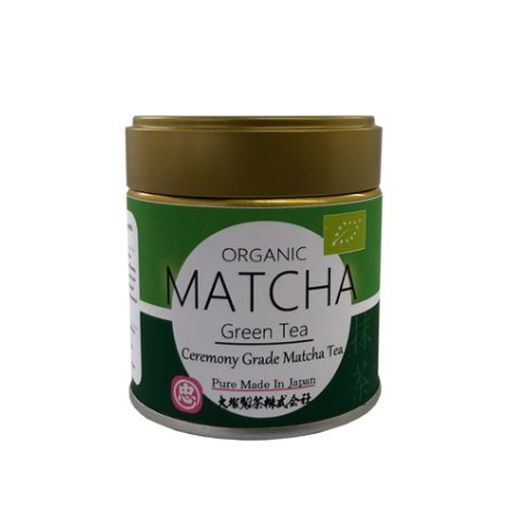
Why this product fits the profile: The recipe is described as 100 % matcha from tencha. According to the product information, the powder contains no added sugars or fillers and can be used for tea, lattes and food.
The ingredients list is short and clear. This makes it less likely that buyers will confuse pure matcha powder with a sweetened latte mix.
100 % matcha claim, sugar-free recipe according to product data and versatile use. A temperature of around 70 to 80 °C is recommended for preparation.
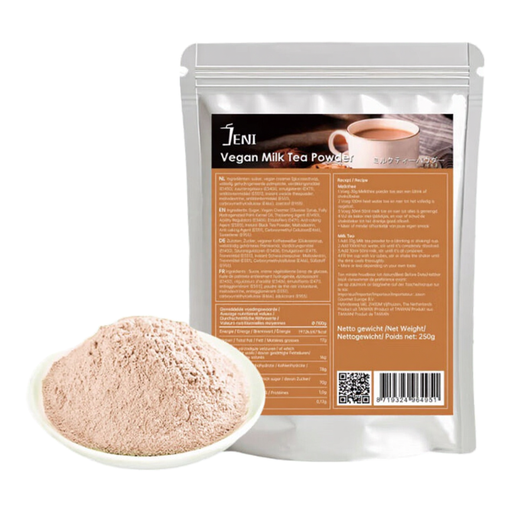
Why this product fits the profile: The 250 g bag is designed for regular preparation at home or in the office. According to the product description, the milk tea powder can be used hot or cold.
The recommended dosage of 2 to 3 tablespoons per 150 ml of water makes portion control easy. Despite the vegan labelling, traces of soya or gluten may be possible.
Vegan recipe according to the supplier, 250 g content and preparation with hot or cold water. The nutritional information states 440 kcal and 65 g sugar per 100 g of powder.
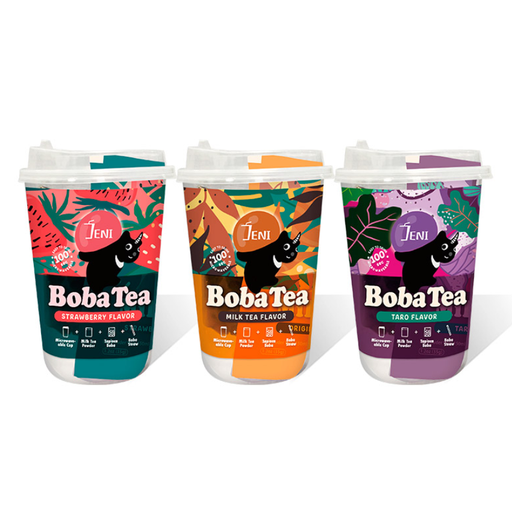
Why this product fits the profile: The kit combines three flavours – taro, classic milk tea and strawberry – each with a portion of tapioca pearls. It’s designed for individual servings.
The number of intended portions and the components included are stated. This makes it clear that the powder and tapioca pearls need to be prepared separately.
Three flavours in one pack, including tapioca pearls. The product data lists sugar, sweeteners and approximately 294 to 394 kcal per 100 g depending on the flavour.
We’ve put together a complete, regularly updated list of products that fully meet these strict selection criteria and the safety regulations in force in the EU.
It depends on the type. Latte and milk tea powders are often mixed with 150 to 200 ml of hot water. Iced tea powder is usually dissolved in 0.5 to 1 litre of still or sparkling water. The exact dosage on the packaging is what matters.
The best-before date is on the individual packaging. Unopened products should be stored in a dry place away from heat. After opening, a tightly sealed bag prevents moisture from clumping the powder.
There are sugar-free drink powders with sweeteners, as well as mixes with a significant sugar content. Compare the ingredients list, nutritional values and portion size. With bubble tea, tapioca pearls or syrup are also added, which can increase the total sugar of the finished serving.