
Lieferung heute & morgen

Qualitätsgarantie

Willkommens-Angebote freischalten: KOSTENLOSE Lieferung | Bis zu 80 % RABATT | Kostenlose 30-Tage-JoyPlus-Testphase
App herunterladen
A long workday or a packed lecture schedule often leaves little time for an elaborate meal. Still, the craving for something warm and filling—something more than a cold sandwich—remains. Instant tomato noodles are a practical solution, combining the convenience of a quick dish with the comforting taste of tomatoes.
This article serves as your guide. It introduces various types of tomato-based instant noodle dishes and highlights their features to help you make the right choice.
Deciding on the right product depends on your individual needs. The following criteria can help guide your selection.
The preparation method is a key factor for convenience. An instant tomato noodle cup, often known as a 5-minute tomato pot, requires only hot water, making it ideal for the office or on the go where a kitchen isn't available. Products in pouches that are prepared in a pot require a bit more effort but often yield a different noodle texture and a more complex sauce. They are a great option for a quick noodle dish for work if you have access to a stovetop, or for a simple dinner at home.
The flavour spectrum of tomato noodles is broad. Classic varieties with instant noodles and tomato sauce are often inspired by Italian cuisine, frequently enhanced with herbs or cheese like mozzarella. In contrast, Asian tomato noodle soup uses tomato as a base for a savoury, often umami-rich broth, combined with ingredients like beef or specific Asian vegetables. The choice here comes down to personal preference.
The noodles themselves also differ. The range extends from classic spiral pasta to air-dried Asian noodles and even semi-dried varieties that offer a particularly firm, al dente texture. The sauce varies as well: it can come as a powder, a liquid concentrate, or a paste, which directly affects the creaminess and intensity of the final dish.
Here is a selection of products that cover different preparation methods and flavour profiles.
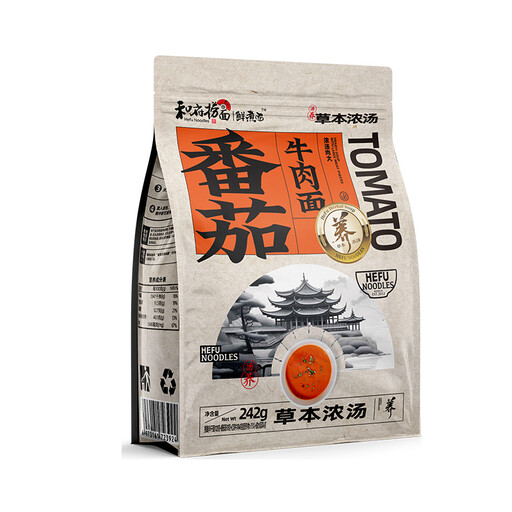
Why it stands out: This product offers an authentic Chinese noodle soup with a rich tomato base and a separate pouch of braised beef. The semi-dried noodles provide a pleasantly firm texture reminiscent of freshly made noodles.
Pros:
Who it's for: For those seeking a complete and filling meal who don't mind the minimal extra effort of pot preparation. Ideal for a quick yet substantial dinner.
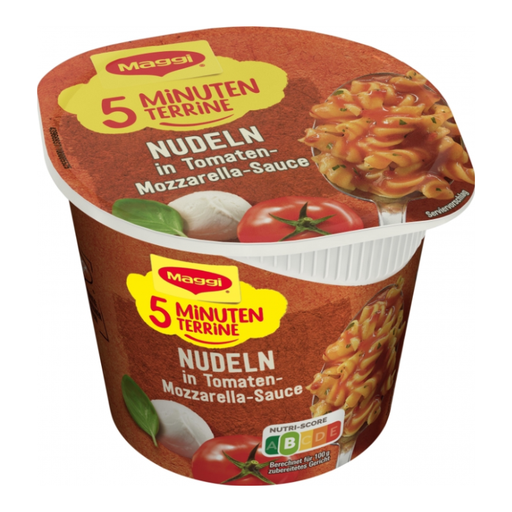
Why it stands out: A classic among pot noodles, the 5-Minuten-Terrine stands for ultimate convenience. The combination of spiral pasta in a fruity tomato and mozzarella sauce is a familiar taste for many.
Pros:
Who it's for: Perfect for students, professionals in the office, or for situations where speed is essential and only a kettle is available.
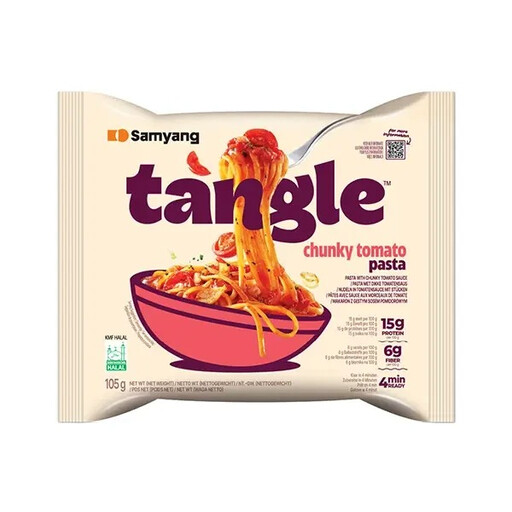
Why it stands out: Samyang, known for its Korean instant noodles, offers an interesting fusion of pasta and Asian noodles. The air-dried noodles are combined with a thick, savoury tomato sauce that gets a bold note from onions and garlic.
Pros:
Who it's for: For anyone who loves to explore new flavours and prefers a thick, intense pasta sauce over a light soup. Requires preparation in a pot.
If you haven't found the right product among these suggestions or are simply curious about other flavours, there's more to discover. From mild to spicy, from soup to pasta—the selection is diverse.
Discover our entire range of tomato noodles.
Preparation varies by product. Cup noodles like a 5-minute tomato pot usually only require adding boiling water and a short steeping time. Products in pouches are typically cooked in a pot of boiling water for a few minutes, with sauce powders or pastes added. The exact instructions are always on the packaging.
Instant noodles are dry products and have a long shelf life when stored correctly (in a cool, dry place). The exact best-before date is printed on the packaging. Once opened, the product should be prepared and consumed immediately.
The main difference lies in the flavour profile and ingredients. While classic European versions often rely on a combination of tomato, herbs, and cheese, an Asian tomato noodle soup uses the fruit as a base for a more complex broth. This can have a distinctly different, often spicier and more umami-rich character, thanks to ingredients like soy sauce, ginger, spices, and meat (e.g., beef). The type of noodle is also often different (e.g., ramen or udon-style noodles).