
Lieferung heute & morgen

Qualitätsgarantie

Willkommens-Angebote freischalten: KOSTENLOSE Lieferung | Bis zu 80 % RABATT | Kostenlose 30-Tage-JoyPlus-Testphase
App herunterladen
Instant tteokbokki brings Korean street food into your kitchen without a lengthy cooking process. The soft, chewy rice cakes are usually served with a seasoned sauce and, depending on the variety, can be ready in just a few minutes. It’s a convenient option for students, working professionals and fans of Korean food – but it’s still worth checking the ingredients, portion size and preparation method.
Names such as ‘Hot’, ‘Spicy’ or ‘Sweet & Spicy’ give you an idea of the flavour, but don’t indicate a consistent level of heat. If you prefer milder flavours, check the ingredients list. Red pepper, chilli powder, gochujang and chilli oil can all be used in varying amounts. Jjajang tteokbokki with black bean sauce is often less spicy, while classic red sauces tend to have a more pronounced chilli flavour.
A tteokbokki cup often contains between 115 and 190 grams. That makes it suitable as a snack or light meal, but it may not be enough if you’re particularly hungry. Packs containing 300 or 600 grams of rice cakes are often more versatile if you’re cooking for several people or preparing them regularly. You can also add vegetables, egg or other ingredients.
Korean rice cakes are often made mostly from rice. However, the sauce may contain soya, wheat, milk, sesame, fish or tomato. If you have an intolerance, always check the current labelling on the packaging. If you’re looking for a halal product, only choose one when the relevant certification or labelling is clearly shown on the product.
A tteokbokki cup is ideal for a quick individual portion. Add water up to the marked line, then heat it in the microwave or follow the instructions on the pack. Bags and larger packs offer more flexibility when preparing the dish, but you’ll often need a pan or bowl.
For an occasional treat, 115 to 160 grams is a manageable portion. If you regularly cook Korean rice cakes or want to try making your own sauces, packs of 300 or 600 grams offer a more versatile starting point.
Several products contain around 86 to 99 per cent rice in the rice cakes. The main differences are in the sauce, salt and sugar content, and possible allergens. For example, according to the product information, Young Poong Yopokki Cup Cheese contains milk, soya and cereals containing gluten. The KFS product with black bean sauce contains soya and may contain traces of gluten and milk, according to its labelling.
Nutritional information is usually given per 100 grams. So it’s worth taking the portion size into account: a product with 230 kilocalories per 100 grams will have a different total for a 120-gram portion than for a larger pack. If you have specific dietary requirements, always refer to the full ingredients list.
The recommendations below group specific products by everyday use and objectively identifiable product features.
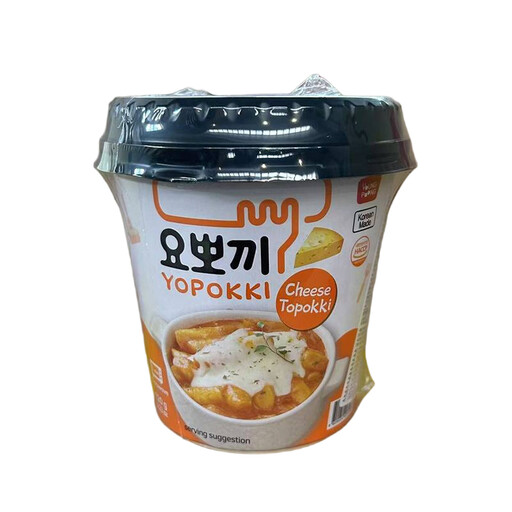
Why this product suits you: The 120g cup gives you a clearly portioned individual meal, with a creamy, savoury cheese flavour for anyone looking to try something other than a classic red sauce.
The individual portion makes it easy to see how much you’re getting. The product information also highlights milk, soya and cereals containing gluten.
120g cup, 100g of rice in the rice cake ingredients, and quick preparation for an individual snack.
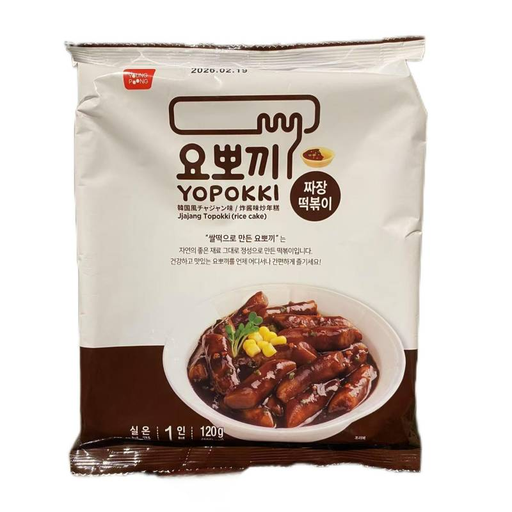
Why this product suits you: The Jjajang variety is a good choice if you prefer a savoury, slightly sweet flavour with less emphasis on chilli.
The flavour is clearly identified as Jjajang. The ingredients list includes soya and wheat, and notes that traces of other allergens may be present.
120g portion, suitable for microwave or pan preparation, and a sauce that isn’t specifically promoted as chilli-forward.
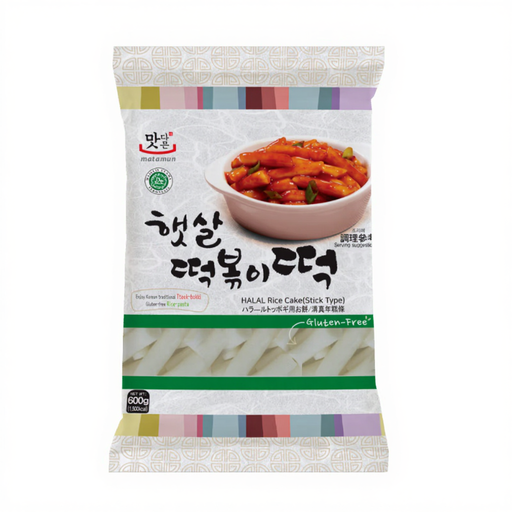
Why this product suits you: The 600g pack is suitable for preparing several meals and is sold as a halal option. The plain rice cakes can be paired with a sauce of your choice.
The larger pack means you’re less reliant on small individual cups. The product carries the relevant halal labelling.
600g pack, 99.1 per cent rice according to the product information, and versatile enough for tteokbokki, soups or stir-fries.
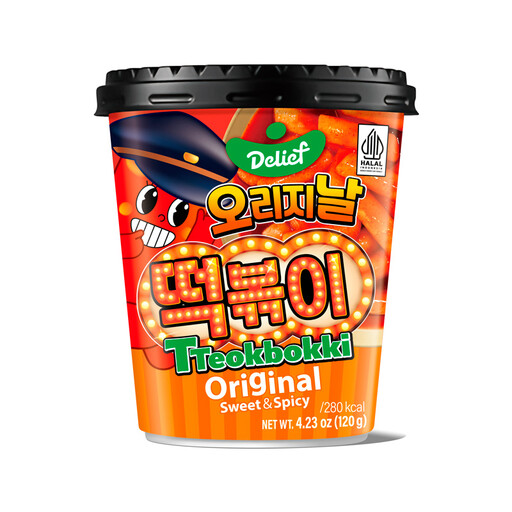
Why this product suits you: This cup pairs a sweet and spicy sauce with a compact portion, and is described as halal-certified in the product information.
The flavour, net weight and halal information are clearly stated. Soya is listed as an allergen.
120g net weight, convenient cup format, and a sauce made with gochujang, garlic and red pepper.
We’ve put together a complete, regularly updated list of products that meet these strict selection criteria and fully comply with the safety regulations in force in the EU.
For instant products, always follow the instructions on the packaging. The usual steps are:
For loose products such as 600g packs of rice cakes, the sticks are usually rinsed, then cooked in sauce or soup for three to five minutes. Once opened, store the pack in the fridge as directed by the manufacturer and use it within the stated time.
It depends on the sauce. ‘Hot and Spicy’ varieties usually have a more pronounced chilli flavour. Sweet and spicy versions combine chilli paste with sugar or tomato. Jjajang and cheese varieties may taste milder, but that doesn’t mean they’re completely free of heat.
Unopened products are often stored in a dry place at room temperature. The specific best-before date is shown on the packaging. Once opened, prepared cups should be eaten straight away. For larger packs, follow the storage and use-by instructions for the specific product.
Yes, many cups take just a few minutes to prepare. However, the portion is often intended as a snack or light meal. If you’d like something more filling, add vegetables, egg or extra rice cakes, and check the total quantity in the pack when choosing a product.