
Lieferung heute & morgen

Qualitätsgarantie

Willkommens-Angebote freischalten: KOSTENLOSE Lieferung | Bis zu 80 % RABATT | Kostenlose 30-Tage-JoyPlus-Testphase
App herunterladen
Instant latte powder lets you enjoy a coffee drink without an espresso machine, milk frother or long wait. Depending on the recipe, adding hot water creates a latte, cappuccino or milk tea drink. Some products can also be prepared cold, making them suitable for the office, travelling and home use.
The choice may initially seem straightforward. However, sugar content, serving size and the ingredients list often have a greater impact on everyday suitability than terms such as “creamy”, “barista” or “premium” on the packaging.
Instant latte powder often consists mainly of sugar, milk ingredients or coffee whitener. Soluble coffee may account for only a small proportion of the recipe. For example, Jacobs Typ Cappuccino Choco Milka Instant Coffee 400 g lists 4.7% instant coffee, while sugar makes up 50% of the ingredients.
If you are looking for a pronounced coffee flavour, check the coffee content and the order of the ingredients. If sugar appears first, it is usually a sweet coffee drink powder rather than pure instant coffee.
A smooth texture often comes from milk powder, whey powder or vegetable fats. This is not necessarily a problem, but it should match your expectations. Customers with a milk allergy, lactose intolerance or vegan diet should read the allergen information carefully.
Terms such as “milk tea” or “latte mix” alone say nothing about the actual milk ingredients. Even “non-dairy coffee whitener” may contain milk protein.
A 1-kg pack can be practical if you drink it every day, but it needs to be stored somewhere dry and kept tightly sealed. If you only drink the product occasionally, individual sticks may be a better option. Single servings reduce the risk of moisture and clumping, but often cost more per drink.
Check the following before buying:
Nutritional values are usually given per 100 g. For everyday use, it is also useful to know how much powder is needed per serving. A cappuccino powder requiring 15 to 20 g per cup should be assessed differently from a product that uses 25 to 30 g.
Sticks are ideal for your desk or when you are out and about. Xiang Yue Coffee, for example, is available in 20 individual 22 g servings. A large pack such as Krüger Family Caramel Brittle Cappuccino, containing 500 g, is more suitable for households with regular consumption.
Compare the number of possible cups, not just the weight. The key question is whether the recommended amount of powder suits your preferred cup size.
Most products are mixed with hot, non-boiling water. Around 150 ml of water is often recommended. When preparing latte hot or cold, the order is important: first dissolve the powder completely in a small amount of hot water, then add cold water, milk or ice cubes.
Matcha latte powder and chai latte powder may behave differently depending on the recipe. Matcha mixes are sometimes recommended with milk or plant-based alternatives. For a cold latte, it is sensible to make a small mixture with warm water first, as this helps the powder distribute more evenly afterwards.
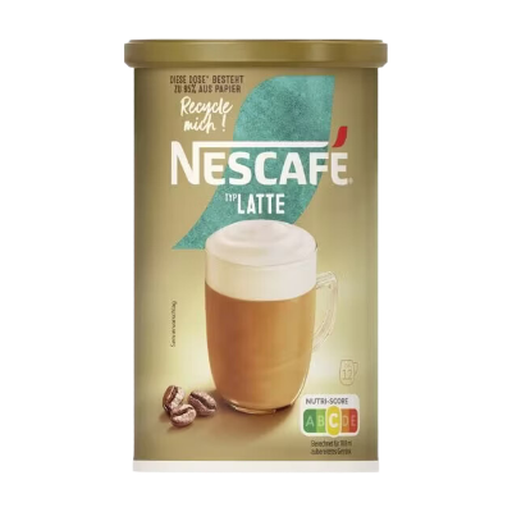
Why this product suits the profile: The 230 g pack offers an accessible introduction to an instant latte drink for occasional or regular use at home.
The ingredients list specifies 37% skimmed milk powder and 9% soluble coffee. This makes it possible to assess the recipe objectively before buying.
Skimmed milk powder appears high on the ingredients list; prepare with hot, non-boiling water.
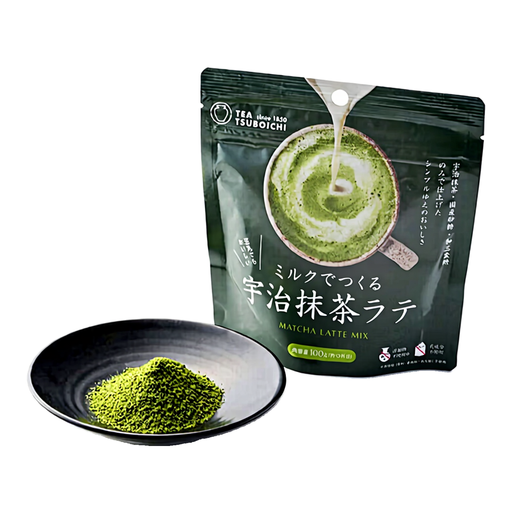
Why this product suits the profile: The small pack is suitable for matcha and tea enthusiasts who want to try a clearly described recipe prepared with milk.
The ingredients list specifies beet sugar, matcha and sugar; according to the product information, milk is not part of the powder. Milk is added separately during preparation.
Made in Japan according to the product information; intended for hot and cold preparation using around 10 g of powder per serving.
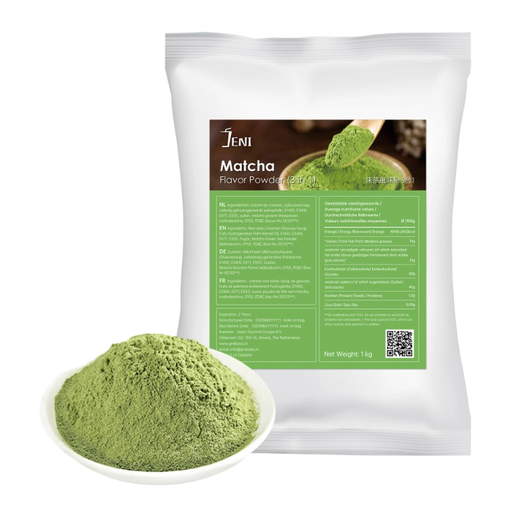
Why this product suits the profile: The large format is designed for households with frequent consumption or larger quantities of drinks.
The pack recommends 25–30 g for hot drinks and 35 g for iced coffee. This makes it easier to plan consumption.
3-in-1 mix with sugar, coffee whitener and matcha; suitable for hot and cold liquids. Contains milk ingredients.
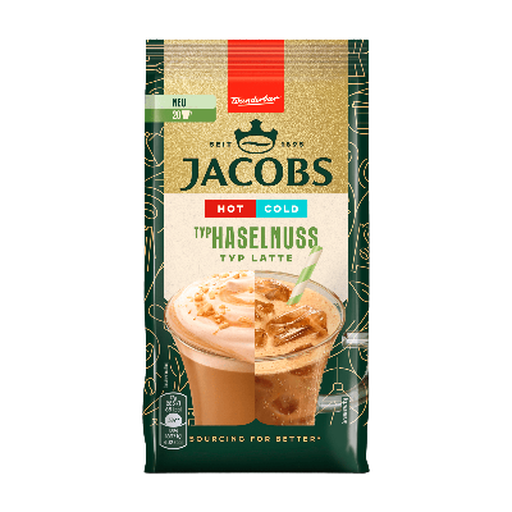
Why this product suits the profile: The stated hot or cold preparation method offers flexibility in the office, at home and on the go.
The product information specifies 5.6% instant coffee as well as milk and lactose. This makes the caffeine and allergen information visible before ordering.
340 g pack with hazelnut flavour, suitable for hot and cold drinks according to the product description.
We have put together a complete, regularly updated list of products that fully meet these strict selection criteria and the safety regulations applicable in the EU.
When using a sealable travel mug, make sure the drink is fully dissolved before closing the lid. Also follow the information on caffeine, allergens, best-before date and storage provided on the relevant packaging.
This depends on the packaging and the product. Some products recommend using the powder within a few weeks or months of opening. Store it in a dry, cool place away from direct sunlight. Seal bags or containers carefully after each use.
Not every product dissolves equally well in cold liquid. With mixes specifically designed for this purpose, it usually works better to mix the powder with a small amount of warm water first. You can then add cold milk, plant-based drinks and ice cubes. The manufacturer’s specific instructions take priority.
Not automatically. Many products contain milk powder, whey powder or sodium caseinate. Even with a product marketed as plant-based, you should check the ingredients list and the information about possible traces. A product should only be considered suitable for a vegan diet when this is clearly stated on the product labelling.