
Lieferung heute & morgen

Qualitätsgarantie

Willkommens-Angebote freischalten: KOSTENLOSE Lieferung | Bis zu 80 % RABATT | Kostenlose 30-Tage-JoyPlus-Testphase
App herunterladen
Anyone looking to buy instant powder will find a wide range of product categories online: milk powder, sugar-free drink mix, iced tea powder, energy drink powder and food supplements such as creatine powder. The products differ not only in taste, but also in their ingredients, dosage, serving size, storage requirements and intended use.
Budget-conscious households in particular can benefit from checking the information on the packaging before buying. A large pack is not automatically cheaper, and a product containing vitamins or protein will not necessarily suit your needs.
When buying milk powder or drink mix, you should not focus solely on the pack price. What matters is how many servings or litres the pack produces. Depending on the dosage, for example, a drink mix containing 12 sticks may make between 6 and 12 litres. For a fair comparison, it is therefore worth calculating the price per litre.
With whole milk powder, the recommended quantity per glass is also important. Peak Milk Powder 400g, for example, specifies 32 g of powder for 200 ml of prepared milk. NIDO Milk Powder 400g recommends 32.5 g for 250 ml. These differences affect the actual yield.
Sugar-free drink mixes may contain sweeteners such as sucralose or acesulfame-K. If you want to avoid these ingredients, read the full ingredients list. Maltodextrin, acidity regulators, flavourings and stabilisers may also be included in an instant drink.
A powder marketed as a vitamin C drink will not automatically provide a comprehensive blend of nutrients either. The specific amounts per serving and the manufacturer’s guidance are what matter.
Energy drink powder is compact and convenient, but depending on the product, it may contain caffeine and taurine. INSTICK Energy Drink states that it contains 52 mg of caffeine per serving. According to the product information, such products are intended for adults and are not recommended for children, pregnant women or breastfeeding women. Prepare the serving according to the instructions and consume it in moderation. Mixing it with alcohol should be avoided.
With milk powder, milk ingredients are obviously relevant. Peak Milk Powder contains whole milk powder and soya lecithin, so it is not suitable for people with a milk or soya allergy. Blanca Full Cream Milk Powder 900g also lists milk and soya as allergens.
If you follow a vegan lifestyle, look for clear labelling. According to the manufacturer, the various INSTICK drink mixes are described as vegan and lactose-free. Nevertheless, it is advisable to check the current packaging, particularly for possible cross-contamination warnings.
An instant drink is only practical if the recommended quantity can be prepared easily. With INSTICK fruit drinks, one stick is mixed with 0.5 to 1 litre of still or sparkling water. Using less water produces a more intense flavour, while up to 1 litre creates a milder drink.
Creatine monohydrate is dosed differently. BEST BODY NUTRITION Creatine Monohydrate Powder recommends mixing 3 g of powder with 200 ml of water or juice. Optimum Nutrition Micronised Creatine Powder specifies a serving of 3.4 g, providing 3 g of creatine. Food supplements should be used according to the relevant product instructions and are not a substitute for a varied diet.
Powder absorbs moisture easily. Tubs and sachets should therefore be stored in a dry, cool place away from direct sunlight. Once opened, it is important to keep the container tightly sealed. With milk powder, the usable period after opening may be limited depending on the product and the packaging instructions.
With sticks, one practical advantage is that each serving is individually packaged. This protects unopened powder from frequent contact with air and moisture. The best-before date on the packaging supplied remains the determining factor.
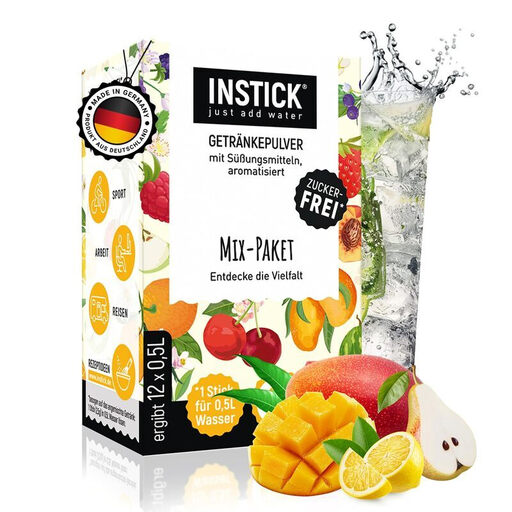
Why this product suits this profile: The variety pack contains 12 different fruit flavours. Each stick is intended for 0.5 to 1 litre of water, making it suitable for comparing flavours before buying a larger quantity.
The yield of 6 to 12 litres makes it easier to compare the price per litre. The ingredients list also indicates sweeteners and vitamin C.
12 individual sticks, sugar-free according to the manufacturer, vegan, lactose-free and with very low stated energy per serving.
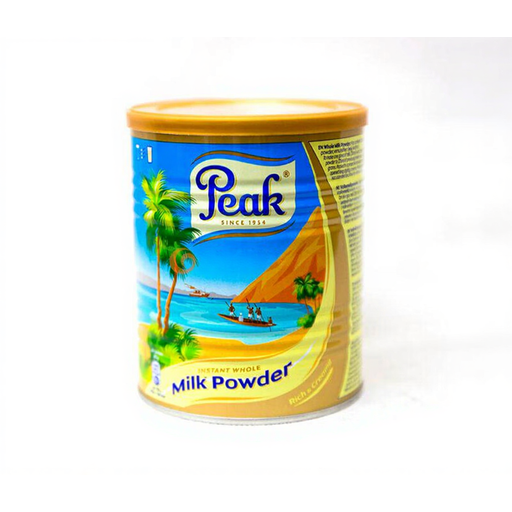
Why this product suits this profile: According to the product information, this whole milk powder contains 28.2 g of fat and 24.3 g of protein per 100 g. It is intended for drinks as well as cooking and baking.
The clear dosage instructions specify 32 g for a 200-ml glass. Milk and soya are listed as allergens, making it easier to check whether the product is suitable.
Dissolves in hot and cold water, supplied in a 400-g tub and fortified with vitamins A and D according to the manufacturer.
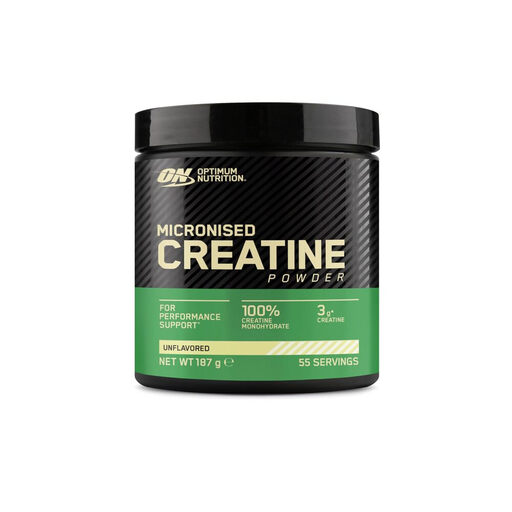
Why this product suits this profile: This unflavoured creatine powder is intended for adults and, according to the product information, can be combined with water, protein drinks or recovery drinks.
The serving size is clearly stated: 3.4 g of powder provides 3 g of creatine. According to the ingredients list, the product contains creatine monohydrate only.
Micronised, neutral-flavoured powder and approximately 55 servings according to the product description.
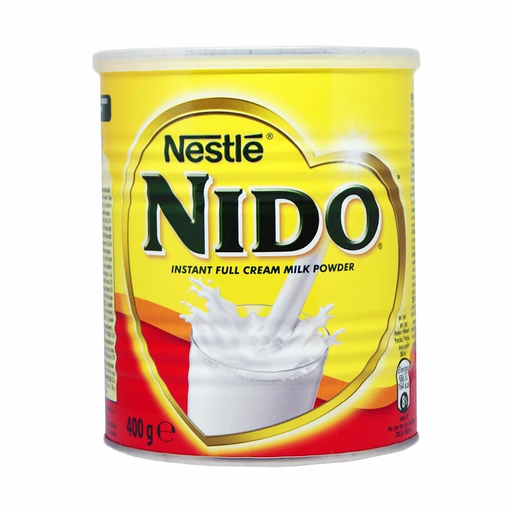
Why this product suits this profile: NIDO is described as soluble whole milk powder for drinks, coffee, tea, cooking and baking. The tub can be stored conveniently without taking up much space.
The preparation instructions specify 32.5 g of powder for 225 ml of water. Milk and soya are listed as allergens; the product is not intended for infants under 12 months.
400-g pack, prepared with water and suitable for a wide range of drinks and recipes.
We have put together a complete, regularly updated list of products that fully meet these strict selection criteria and the safety regulations applicable in the EU.
When stored in a dry, cool place, unopened products will often keep for an extended period. The best-before date on the relevant packaging is the key reference. Once opened, moisture, heat and frequent opening can affect the quality. The powder should therefore be kept tightly sealed and removed with a dry spoon.
That depends on the pack price, dosage and yield. For a stick making 0.5 to 1 litre, you should calculate the price per litre of the finished drink. Powdered products also eliminate the storage and transport volume associated with water. For a realistic comparison, however, you should also consider sweeteners, flavour and the serving size you need.
The precise proportion of creatine monohydrate, the recommended serving size, allergen labelling and guidance for adults are all important. A product providing 3 g of creatine per daily serving is easier to compare than one with an unclear blend. If you have a medical condition, take medication or are unsure, seek medical advice before use.