
Lieferung heute & morgen

Qualitätsgarantie

Willkommens-Angebote freischalten: KOSTENLOSE Lieferung | Bis zu 80 % RABATT | Kostenlose 30-Tage-JoyPlus-Testphase
App herunterladen
Author: Joybuy Product Recommendation Officer
Instant tea powder is a convenient choice when you want to prepare tea drinks at home, in the office or on the go without a long brewing time. Depending on the recipe, it can be used to make Thai milk tea, matcha latte, instant milk tea, fruit tea or iced tea. The selection ranges from individual portions and multipacks to bubble tea sets.
However, the product name alone reveals little about the flavour, sweetness, allergens or the actual yield. If you buy based solely on the packaging, stated origin or marketing claims, it is easy to overlook important details.
Many tea drink powders already combine tea extract, sugar and milk powder or a plant-based coffee whitener. This makes preparation easier, but leaves little scope for adjusting the sweetness. For example, according to the product information, CHATTRAMUE 3 in 1 Green Tea Powder contains 66 g sugar per 100 g. Instant Thai Tea Mix also lists 55 g sugar per 100 g.
If you want to control the sweetness yourself, choose a pure tea powder or a product with separate sugar portions. With a bubble tea set, the amount of syrup can often be adjusted separately.
Milk tea powder may contain milk protein, skimmed milk powder, whey protein or sodium caseinate. Several products list these ingredients as milk components. The term “Non-Dairy Creamer” does not necessarily mean that a product is free from milk either.
If you have allergies, lactose intolerance or follow a vegan diet, always check the complete ingredients list. A plant-based description on the front of the pack does not replace checking the allergen information.
A 500-g pack may initially seem substantial, but the number of drinks it produces can vary depending on the recommended dosage. Individual sticks are easier to portion, while larger packs can be practical for regular consumption. For a cost comparison, you should consider not only the pack price but also the quantity of drink prepared.
Check whether sugar is listed first and whether the product contains milk, nuts, soya or gluten. McNulty Stevia Walnut Almond YulmuTea lists milk, walnuts, almonds, soya and gluten, among other ingredients. According to the product information, it contains 0 g sugar per 100 g, but does contain the sweetener E968; possible laxative effects are noted in the event of excessive consumption.
“Sugar-free” does not necessarily mean “unsweetened”. Sugar-free iced tea powder may contain sweeteners such as sucralose or acesulfame-K.
The recommended amount of water should be clearly stated for an instant tea drink. For example, Slinmy Instant Matcha Latte Powder is prepared using 23 g powder with 150 ml hot water. For the cold version, hot water is recommended first, followed by cold water and ice.
Bubble tea requires additional steps: tapioca pearls need to be heated or boiled. A boba kit with pre-portioned servings reduces the effort involved, but you should still follow the instructions on the packaging.
Powder absorbs moisture easily and may then form lumps. Once opened, the pack should be sealed tightly and stored in a dry place away from direct sunlight. With individual sticks, each portion is protected separately until use.
Check the best-before date on the packaging. Products containing tapioca pearls or liquid syrup may also have specific heating and storage instructions.
The following selection compares specific products based on portion format, preparation, ingredients and intended use.
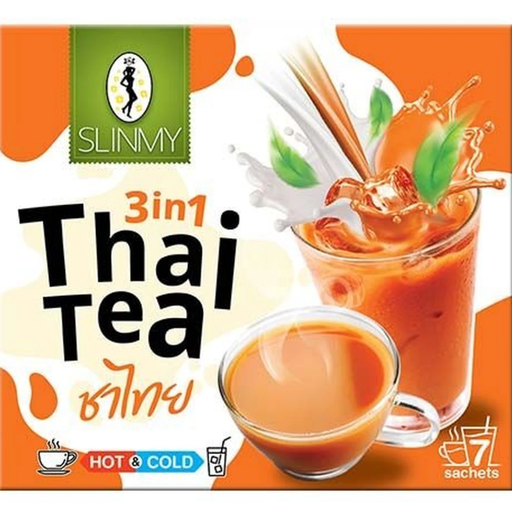
Why this product suits this profile: The blend combines black tea extract, sugar and creamer in a compact pack. It is designed to be prepared with hot or cold water, making it a suitable introduction to Asian tea drinks.
The recommended portion of around 20 g with 150–200 ml water makes it easier to calculate the yield. The ingredients and allergen information explicitly identify milk components.
Suitable for hot or cold preparation; approximately 90 kcal per 20-g portion according to the nutritional information.
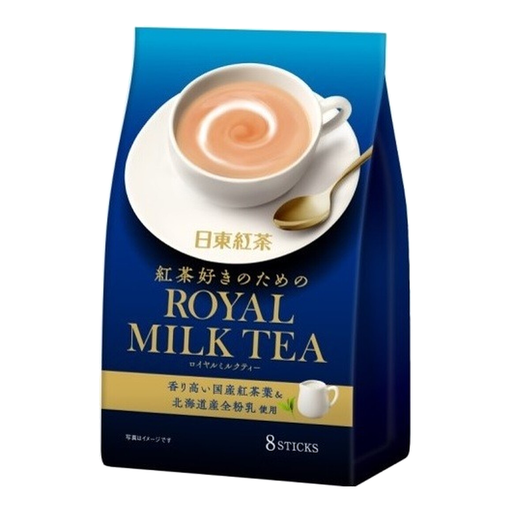
Why this product suits this profile: The portion pack contains several milk components, including skimmed milk powder, whole milk powder and butter oil, along with black tea extract and black tea.
The individual portions prevent inaccurate measuring after opening. Milk and soya are listed as allergens and should be taken into account before purchase.
Eight individually packaged portions; prepared with hot water.
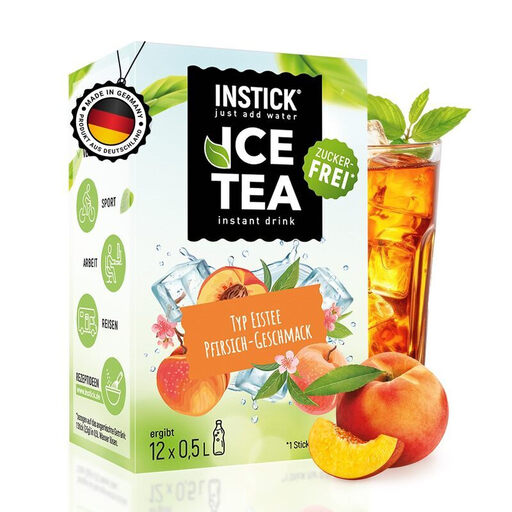
Why this product suits this profile: The pack contains twelve sticks, each making 0.5–1 litre of drink. According to the product information, the powder is vegan, sugar-free and enriched with vitamin C.
The yield per stick is clearly stated. As the caffeine information is inconsistent, check the current packaging before consuming the product.
Individual portions for on the go; prepare with still or sparkling water.
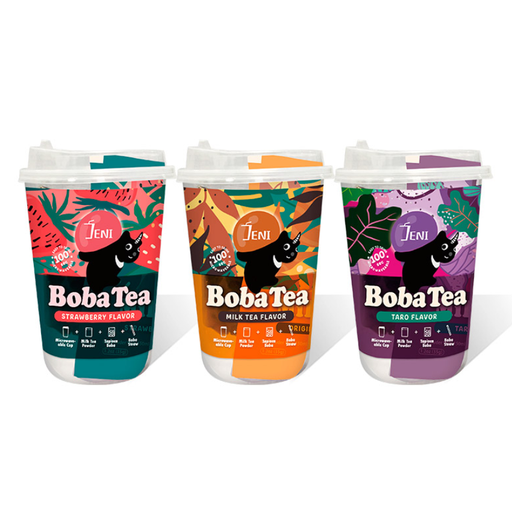
Why this product suits this profile: The boba kit contains three flavours – matcha, honeydew and brown sugar – each with one portion of tapioca pearls.
The powder and pearls are combined in individual portions, so there is no need to calculate the amount of additional boba ingredients. According to the ingredients list, the honeydew variety contains E102; the relevant warning should be taken into account.
Three varieties in one pack; tapioca pearls and drink powder included.
The exact quantity is stated on the packaging. Individual sticks are often dissolved directly in hot water. To make iced tea, first mix the powder with a small amount of hot water, then add cold water and ice. With larger packs, kitchen scales are useful for measuring the recommended amount accurately.
The best-before date on the pack is the key reference. Once opened, the powder should be stored in a dry, cool place in an airtight container or tightly sealed pack. Clumping, moisture or an unusual smell indicate that the product should no longer be used.
This depends on the pack size, dosage and yield. With a product containing twelve sticks, each making up to one litre of drink, you can calculate the price per litre directly. You also avoid the storage and transport volume required for bottles of drink. For a fair comparison, however, you should take sweeteners, tea content and the actual amount of water used into account.