
Lieferung heute & morgen

Qualitätsgarantie

Willkommens-Angebote freischalten: KOSTENLOSE Lieferung | Bis zu 80 % RABATT | Kostenlose 30-Tage-JoyPlus-Testphase
App herunterladen
A good insulated bottle is a trusted companion—whether at the office, during sports, or while travelling. It keeps your morning coffee hot and your water cool on hot days. But the market is flooded with models whose promises often outweigh their actual performance. A leaky lid, rapidly diminishing insulation, or unpleasant odours are common annoyances.
As your Joybuy Product Recommendation Officer, I'm here to help you separate the good from the bad. In this guide, I'll show you the most common pitfalls to avoid when buying and which objective criteria you should look for to find a durable and reliable thermos.
Many products advertise impressive figures and features. But not all that glitters is gold. Here are three typical marketing traps that can lead to disappointment:
To avoid a bad purchase, you should focus on verifiable facts. These three features are crucial for the quality and longevity of your new insulated bottle.
The core of any good insulated bottle is its material. Look for the designation 18/8 stainless steel (also known as Type 304). This food-grade steel is rust-proof, robust, and taste-neutral. It ensures your water tastes like water, not like yesterday's tea. Models with an inner lining of SUS316 steel offer even higher corrosion resistance. Equally important are the materials of the lid and seals. These should be made of BPA-free plastic (e.g., PP - Polypropylene) and silicone to guarantee food safety.
The ability to maintain temperatures is based on double-wall vacuum insulation. Between the inner and outer walls of the bottle is a vacuum that almost completely prevents heat transfer (convection). A good insulated bottle should have this construction. Manufacturer claims about insulation duration (e.g., keeps hot for 12h, cold for 24h) are a useful guideline, but always compare them assuming standard conditions.
The closure is the most common weak point. There are different systems for various applications:
Check if the manufacturer explicitly approves the bottle for carbonated drinks. This requires a particularly pressure-stable and secure closure. A high-quality, precisely fitting silicone gasket is essential to guarantee the bottle remains leak-proof.
Instead of presenting an overwhelming list, we have selected models that meet specific needs and take the above criteria into account.

Why This Fits Their Persona: Perfect for the commute or the desk. The innovative lid design doubles as a stable phone holder (MagSafe compatible)—ideal for video calls or watching a show during lunch.
The multi-layer silicone gasket ensures reliable leak-proofing in a backpack. The inner container made of SUS316 stainless steel is particularly resistant to corrosion and odour build-up.
The 2-in-1 function as a water bottle and phone holder is a unique selling point. According to the manufacturer, its insulation performance keeps drinks at ≥40°C for 6 hours.
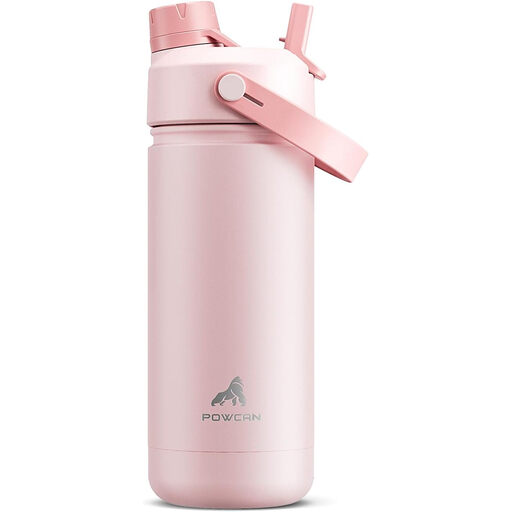
Why This Fits Their Persona: Designed for use during sports. The 2-in-1 lid offers both a straw for quick sips during a workout and a spout for fast drinking or refilling.
The lid is explicitly designed to be leak-proof to withstand the demands of movement. The robust 18/8 stainless steel construction makes the bottle resistant to bumps and drops at the gym or outdoors.
The flexible 2-in-1 lid adapts to various training situations. At 532 ml (18 oz), it's a great size for most workouts and fits into standard cup holders.
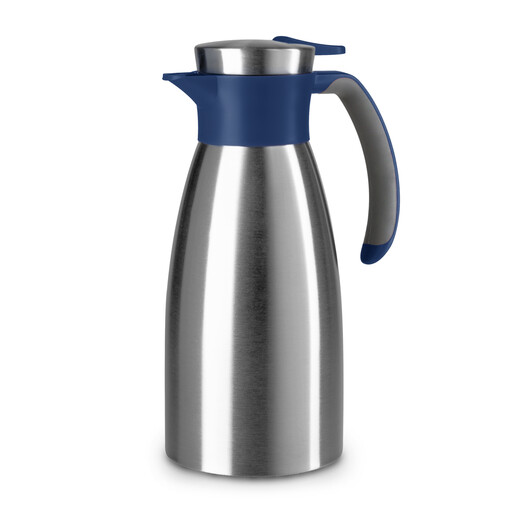
Why This Fits Their Persona: Ideal for home use to keep coffee or tea warm for several people or over an extended period. The 1L capacity is enough for about 8 cups, and the handle allows for safe serving.
The Quick-Tip closure is designed for drip-free pouring, and the jug is declared leak-proof, which is often a problem with cheaper thermal carafes. The double-wall stainless steel insulation preserves the aroma.
The ergonomic soft-grip handle and one-finger closure make handling especially comfortable and safe. The manufacturer states the insulation performance is up to 12 hours for hot beverages.
We've compiled a full, up-to-date list of products that fully meet these strict selection criteria and German safety regulations.
No, not every insulated bottle is suitable for carbonated drinks. The pressure created by the carbonation can damage the lid or cause a sudden spray of liquid upon opening. Only use bottles where the manufacturer explicitly states they are suitable for carbonated drinks. These models feature a pressure-resistant seal.
The best method for daily cleaning is to rinse it with warm water and mild dish soap. Then, let the bottle air dry without the lid on. For stubborn odours or build-up, a mixture of warm water and a spoonful of baking soda or vinegar can help. Let the mixture sit for a few hours, then rinse the bottle thoroughly.
BPA (Bisphenol A) is a chemical compound used in some plastics to make containers. It is suspected of being harmful to health. A BPA-free label means that none of these chemicals were used in the materials (especially in the lid and seals) that come into contact with your beverage. This is an important standard for food safety.