
Lieferung heute & morgen

Qualitätsgarantie

Willkommens-Angebote freischalten: KOSTENLOSE Lieferung | Bis zu 80 % RABATT | Kostenlose 30-Tage-JoyPlus-Testphase
App herunterladen
Whether it's for your morning coffee on the way to work, hot tea on a hike, or chilled water during a workout, a reliable insulated bottle is an indispensable companion for daily life. However, the selection of models is vast, and the differences often lie in the details. This guide provides clear orientation, presenting objective criteria to help you make an informed decision for your specific needs.
The performance of an insulated bottle is determined by several factors. Three key aspects are the material, insulation performance, and lid mechanism.
The material directly impacts the durability, weight, and taste of the contents.
The ability to keep drinks hot and cold for extended periods is the core feature of an insulated bottle. This is achieved through double-wall vacuum insulation. A vacuum between the inner and outer walls minimises heat transfer (convection).
The insulation duration stated by the manufacturer (e.g., "keeps hot for up to 20 hours") is a useful benchmark. Keep in mind that these values are determined under laboratory conditions. Actual performance depends on the initial temperature of the beverage, the ambient temperature, and how frequently the bottle is opened.
The volume should match the intended use. A compact 0.6-litre sports water bottle is more manageable, while a 1L insulated carafe or larger is ideal for a long day at the office or for day trips.
A leak-proof lid design is essential, especially for on the go. There are several different systems:
Here is a selection of models that stand out for their specific features, making them suitable for different applications.
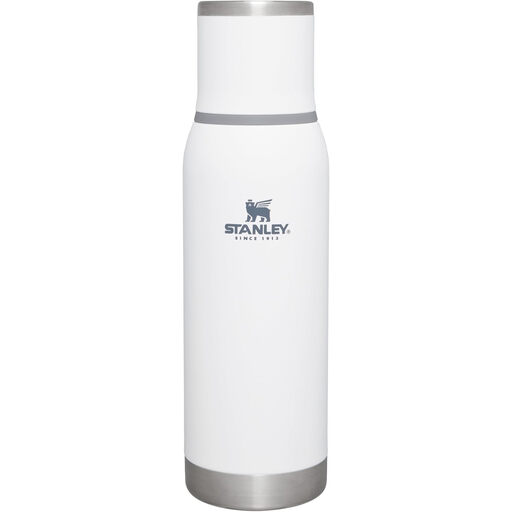
Why It Stands Out: This model is an evolution of the classic thermos, engineered for durability and high-performance insulation. Its double-wall vacuum insulation, made from 18/8 stainless steel, keeps drinks hot for up to 20 hours or cold for up to 25 hours, according to the manufacturer. The lid allows for controlled pouring without being fully removed, which minimises heat loss. The insulated lid can also be used as a drinking cup.
Pros:
Who It's For: Ideal for commuters, hikers, and anyone who wants access to a hot or cold drink over a long period without compromising on temperature.
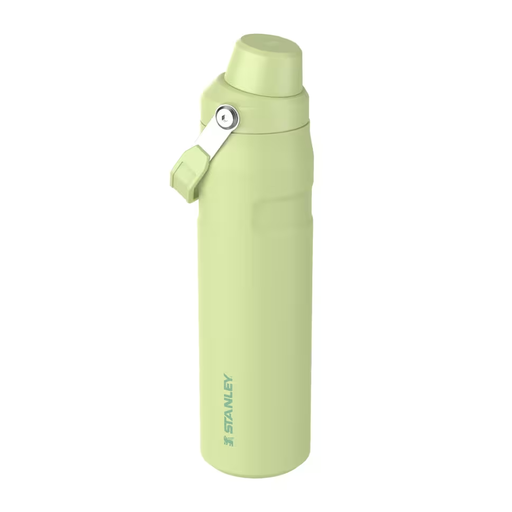
Why It Stands Out: This sports water bottle is optimised for an active lifestyle, focusing on quick hydration and portability. The large spout enables a high flow rate. Its design is lightweight and features a convenient carry handle. According to the manufacturer, the bottle is made from 90% recycled stainless steel. The vacuum insulation is primarily designed for cold drinks, keeping them chilled for up to 10 hours.
Pros:
Who It's For: Perfect for athletes, gym-goers, and anyone who wants quick, hassle-free access to a cool drink during a workout or on the move.
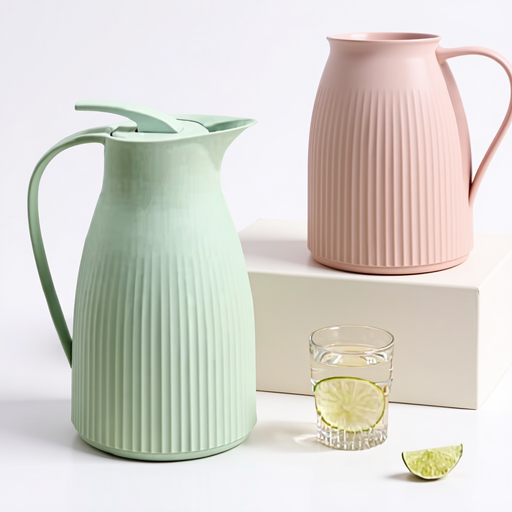
Why It Stands Out: This 1L insulated carafe is designed for use at home or in the office. Its key feature is the internal glass liner, which ensures the pure, unadulterated taste of coffee, tea, or other beverages. The double-wall vacuum insulation maintains the temperature for over 6 hours, according to the manufacturer. The design is focused on easy handling and cleaning.
Pros:
Who It's For: A great choice for users who prioritise pure taste and are looking for a carafe for their desk, home office, or breakfast table.
Haven't found the perfect bottle for your needs yet? Discover a wider selection of models, sizes, and designs in our Coffee Flasks category.
The cleaning method depends on the material and the manufacturer's instructions. Many stainless steel bottles are dishwasher-safe. For a thorough manual clean, use warm water, mild washing-up liquid, and a bottle brush. For stubborn residue from tea or coffee, special cleaning tablets or a mixture of baking soda and water can help. Always allow the bottle to air dry with the lid off after cleaning.
It is generally not recommended to store carbonated drinks in vacuum-insulated bottles. The pressure build-up from the carbonation can damage the sealing mechanism and may cause the lid to eject suddenly and uncontrollably upon opening. Always check the manufacturer's warnings.
"BPA-free" means the product was made without Bisphenol A. BPA is an industrial chemical that can be used in the production of certain plastics (like polycarbonate) and resins. Due to concerns about potential health effects, "BPA-free" has become an important quality hallmark for containers that come into contact with food and beverages.