
Lieferung heute & morgen

Qualitätsgarantie

Willkommens-Angebote freischalten: KOSTENLOSE Lieferung | Bis zu 80 % RABATT | Kostenlose 30-Tage-JoyPlus-Testphase
App herunterladen
A good insulated bottle keeps coffee hot for hours and water ice-cold, even on summer days. But the market is flooded with products that fail to deliver on their promises in practice. A leaky bottle in your laptop bag or lukewarm coffee after just two hours are frustrating realities. Before you make a decision, it's crucial to know the common pitfalls that often only become apparent after the purchase.
This guide shows you what really matters and how to avoid the three most common buying mistakes to find a model that performs reliably.
Many products advertise impressive features, but the devil is in the details. Pay close attention to these three points to avoid disappointment:
To avoid the problems mentioned above, you should check three core aspects before buying. These define the quality and durability of an insulated bottle.
The basis of any high-quality thermos flask is double-walled stainless steel. Between the two walls is a vacuum that almost completely prevents heat transfer (convection). This is the key to long-lasting insulation. Ensure that the stainless steel used is declared as food-grade (e.g., 18/8 or 304). Such materials are taste-neutral and durable. A BPA-free drinking bottle is also essential to ensure that no harmful plasticisers leach into your beverages.
The lid determines whether your bag stays dry. Making a thermos flask leak-proof requires precision engineering.
The often-advertised values like "12 hours hot / 24 hours cold" are standardised measurements. According to manufacturers, this usually measures the time it takes for a beverage at approx. 95°C to cool down to approx. 60°C. For cold performance, the rise from approx. 4°C to 10°C is often measured. These values are a good benchmark for comparison, but in everyday use, factors like the initial temperature and the environment affect the actual duration. A drinking bottle insulates well if it still provides a pleasant drinking temperature after several hours.
Based on the quality criteria mentioned, we have identified some models that are particularly suitable for specific use cases.
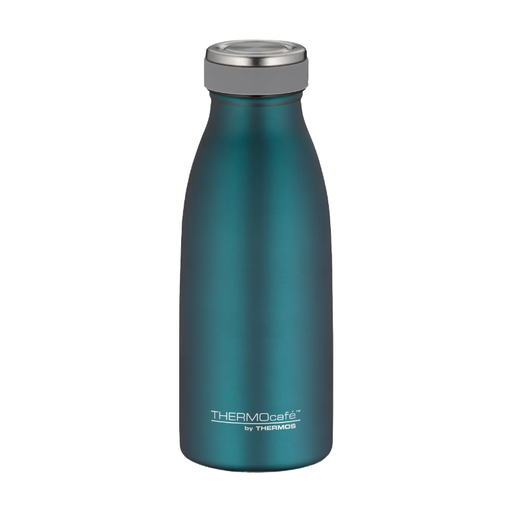
Why it's a great fit: Ideal for commuters and students. The slim design fits into any bag without being bulky. At 0.35 litres, it's the perfect size for coffee on the way to work or tea during a lecture.
According to the manufacturer, the rubberised screw-on lid is 100% leak-proof, even with carbonated drinks. This directly addresses the problem of leaky bottles in a backpack.
Compact and lightweight: Extremely portable at just 266 g with a slim profile. Taste-neutral: Made from odourless and taste-neutral stainless steel.
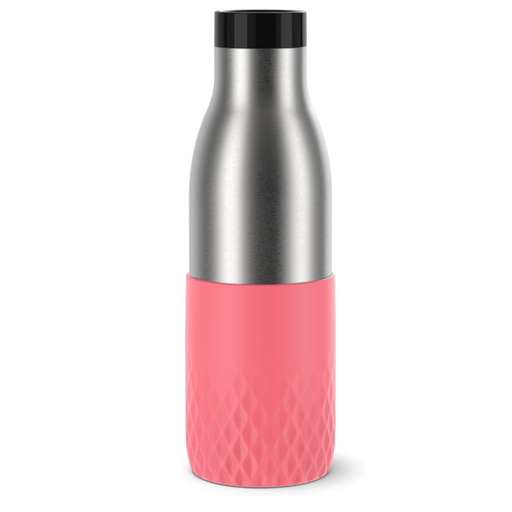
Why it's a great fit: For anyone who values both functionality and design. The silicone sleeve provides a comfortable grip, while the 0.5-litre size is a great compromise for the office, gym, and daily use.
The Quick-Press 360° drinking lid allows you to drink from any side without having to unscrew the cap completely. The design is focused on being leak-proof and easy to use.
Dishwasher-safe: Makes cleaning significantly easier. Ergonomic design: The silicone sleeve offers a secure and comfortable grip.
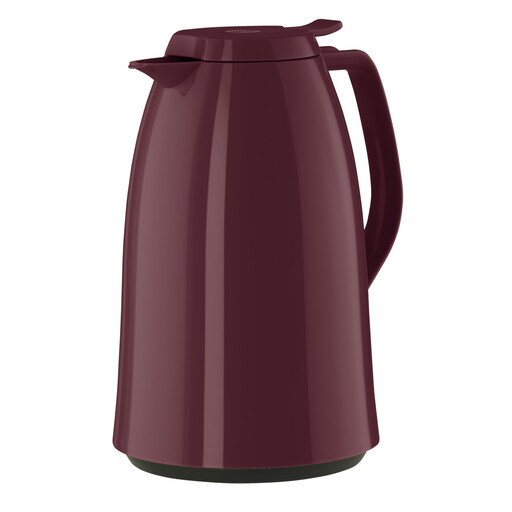
Why it's a great fit: A classic insulated carafe for the breakfast table, the office, or family gatherings. With a 1.5-litre capacity, it serves multiple people with hot coffee or tea for hours.
The Quick-Tip lid allows for one-handed, drip-free pouring and is designed to be leak-proof. The double-walled glass liner preserves the aroma of coffee and tea without any metallic aftertaste.
Large capacity: 1.5 litres is ideal for multi-person households or long meetings. Made in Germany: A symbol of quality craftsmanship, backed by a 5-year manufacturer's warranty.
We have compiled a complete, up-to-date list of products that fully meet these strict selection criteria and safety regulations.
1. Can I put carbonated drinks in any insulated bottle? No. Only bottles explicitly approved by the manufacturer are suitable for this. The pressure created by carbonation can cause leaks in unsuitable lids or, in the worst case, cause the bottle to open suddenly. Look for models with robust screw-on lids and high-quality seals that are cleared for this purpose.
2. What's the best way to clean my stainless steel thermos? For daily cleaning, hot water and a little washing-up liquid are sufficient. Use a bottle brush to reach the bottom and inner walls. For stubborn deposits, such as from tea or coffee, special cleaning tablets for thermos flasks or a mixture of baking soda and hot water, left to soak for a few hours, can help. Check if your model is dishwasher-safe; many manufacturers recommend hand washing to protect the outer coating and seals.
3. What does "BPA-free" mean and why is it important for a drinking bottle? BPA (Bisphenol A) is a chemical plasticiser used in many plastics (polycarbonate). It is suspected of being harmful to health as it can leach from the material into food and drinks. A BPA-free drinking bottle guarantees that the plastic parts, especially in the lid and seal, are made without this chemical. This is an important standard for products that come into contact with food.