
Lieferung heute & morgen

Qualitätsgarantie

Willkommens-Angebote freischalten: KOSTENLOSE Lieferung | Bis zu 80 % RABATT | Kostenlose 30-Tage-JoyPlus-Testphase
App herunterladen
A high-quality insulated bottle is a practical everyday companion. Whether it's hot coffee on your way to work, cool water at the gym, or warm tea during a hike, the right bottle maintains temperature and makes staying hydrated easy. But the market is flooded with products whose marketing promises often don't hold up in practice. Many buyers find that their new bottle leaks, its insulation performance quickly degrades, or their drinks take on an unpleasant aftertaste.
As your Joybuy Product Recommendation Officer, I'm here to help you identify these pitfalls. Instead of falling for marketing hype, we'll focus on the objective criteria that define a truly great insulated bottle.
To avoid a bad purchase, you should carefully examine three technical features. These determine the bottle's durability, safety, and functionality.
The standard for high-quality insulated bottles is food-grade 18/8 (Type 304) stainless steel. This material is robust, rust-proof, and taste-neutral. Ensure that not only the bottle's body but all parts that come into contact with your beverage are made from safe materials. A BPA-free lid is a non-negotiable criterion for health-conscious users. Bottles with internal coatings can scratch over time and are often harder to clean.
Insulation performance is achieved through a double-walled construction with a vacuum in between. This vacuum prevents heat transfer between the contents and the outside environment. Solid construction with no weak points is critical here. Models with a capacity of 0.5L or 1L often offer a good balance of size to insulation performance and are ideal for on the go.
The lid is the most critical component. Simple screw-top lids with a high-quality silicone gasket are often the most reliable solution. Auto-seal or click-to-open lids offer more convenience but can be more complex and prone to defects and dirt buildup. Check if the manufacturer explicitly states its suitability for carbonated beverages—this is a strong indicator of a robust and pressure-resistant seal.
Based on these objective criteria, we have selected a few products from our range that are well-suited for specific use cases.
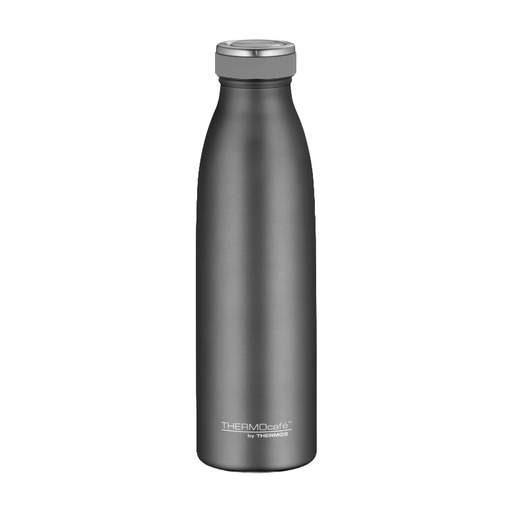
Why This Fits Their Persona: With its slim design, this 0.5-litre bottle fits effortlessly into any handbag or backpack. The rubberised screw cap ensures a secure grip and easy opening, perfect for a quick sip on the train or in the office.
The manufacturer states that the bottle is 100% leak-proof, even with carbonated drinks. This directly addresses the most common pitfall of leaky seals.
Double-walled stainless steel for up to 12 hours of heat retention (warm) according to the manufacturer; BPA-free and taste-neutral.
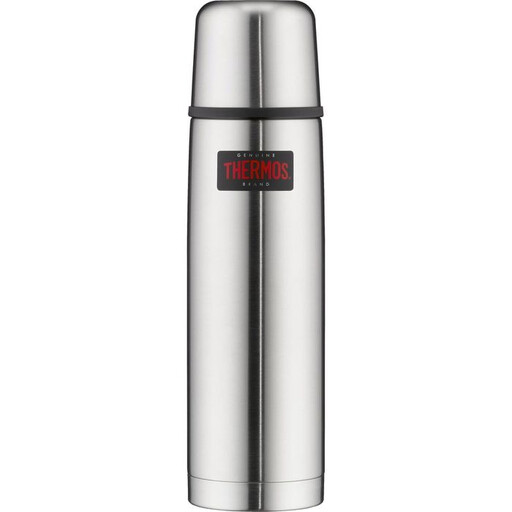
Why This Fits Their Persona: At 0.75 litres, this bottle offers enough volume for longer trips. Its robust construction and disassemblable auto-seal lid with an integrated drinking cup make it a reliable partner for hikes and excursions.
The bottle is described as shock- and shatter-proof, making it more resistant to the rigours of outdoor use. The high insulation performance (up to 18h warm, per the manufacturer) is designed for long days out.
Integrated drinking cup for comfortable sipping; dishwasher-safe (top rack) for easy cleaning after your adventure.
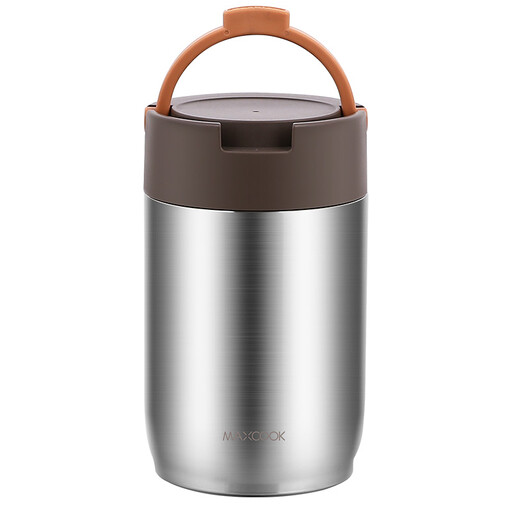
Why This Fits Their Persona: With a generous 2.0-litre capacity, this insulated pot is ideal for serving coffee, tea, or water for the whole family or office team. The ergonomic handle and spout allow for clean, easy pouring.
The pot is made from high-quality 304 stainless steel, which avoids the pitfall of inferior materials. Its design is focused on functional serving, not just transport.
Large 2.0-litre capacity; the wide mouth makes it easy to fill, clean, and even add ice cubes.
We have compiled a complete, up-to-date list of products that fully meet these strict selection criteria and German safety regulations.
For daily cleaning, hot water and a little dish soap are usually sufficient. For stubborn residue or odours, household remedies can help: fill the bottle with a mixture of warm water and a spoonful of baking soda or a splash of vinegar, let it sit for a few hours, and then rinse it thoroughly. Always check the manufacturer's instructions to see if your bottle is dishwasher-safe.
Not all of them. The pressure created by carbonation can damage seals and cause the liquid to spray out suddenly upon opening. Only use an insulated bottle for carbonated drinks if the manufacturer explicitly permits it. Products like the Thermos TC Bottle mentioned above are specifically designed for this purpose.
BPA (Bisphenol A) is a chemical compound used in some plastics. A "BPA-free" label means that all materials that come into contact with the bottle's contents are free of this substance. This is particularly important for the lid and the seal, as these parts are often made of plastic. Being consistently BPA-free is a key feature of a health-safe stainless steel drinking bottle.