
Lieferung heute & morgen

Qualitätsgarantie

Willkommens-Angebote freischalten: KOSTENLOSE Lieferung | Bis zu 80 % RABATT | Kostenlose 30-Tage-JoyPlus-Testphase
App herunterladen
A good insulated bottle is a practical everyday companion: it keeps your coffee hot on the commute, your water cool during sports, and your tea warm on a hike. But the market is flooded with products whose promises often fall short in practice. A bottle that starts leaking after a few weeks, gives drinks a metallic aftertaste, or whose insulation performance quickly deteriorates is a frustrating waste of money. Before you make a decision, it's helpful to know the common pitfalls to make a durable and functional choice.
The three most common problems when choosing an insulated bottle are:
To avoid buyer's remorse, you should focus on a few objective criteria that go beyond marketing promises.
The material is the foundation for durability and a pure, unadulterated taste.
The lid determines how practical and reliable a bottle is for daily use.
The ability to maintain temperature is the core function of an insulated bottle.
Instead of a one-size-fits-all recommendation, we've selected products tailored to specific use cases.
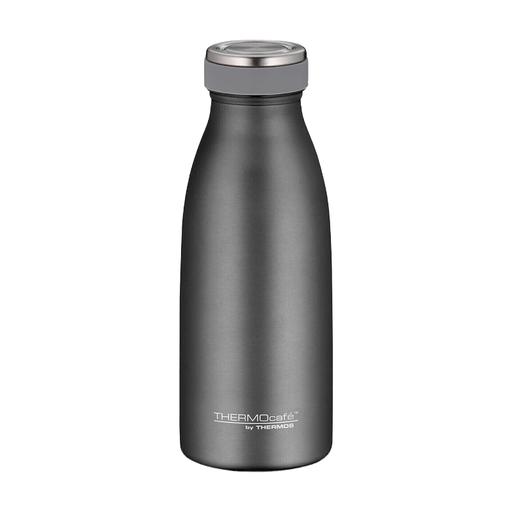
Why it's a great fit: The slim design fits effortlessly into any bag or backpack. The rubberised screw cap offers a secure grip and is easy to open, which is practical during a hectic daily commute.
The manufacturer states that the bottle is completely leak-proof even with carbonated drinks, thereby bypassing a common weak point. The taste-neutral stainless steel prevents the typical metallic aftertaste.
Compact size combined with a reliable, pressure-resistant seal for worry-free transport.
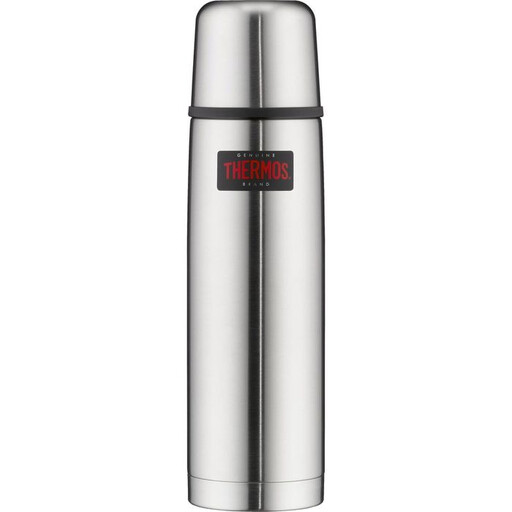
Why it's a great fit: For hikes or long days outdoors, durability and high insulation performance are crucial. This model is shock-proof and shatter-proof and features an integrated drinking cup.
The insulation performance is backed by specific figures (up to 18 hrs hot, 24 hrs cold). The construction, explicitly described as shock-proof and shatter-proof, addresses the fragility that is a weak point in many other bottles.
High insulation performance combined with a rugged construction for demanding conditions.
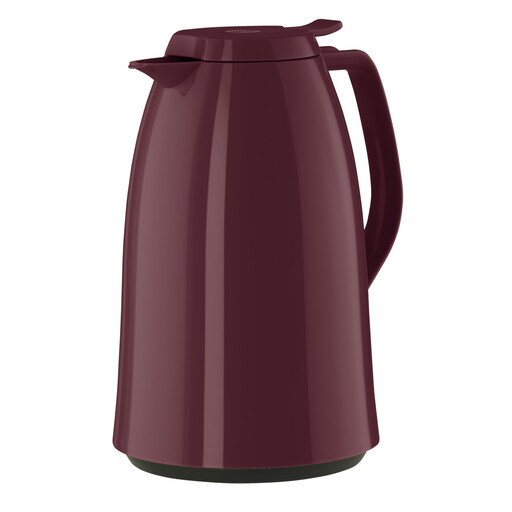
Why it's a great fit: With a 1.5-litre capacity, this carafe is ideal for family breakfasts, office meetings, or picnics. The "Quick Tip" closure allows for easy, one-handed pouring.
The lid is designed for drip-free pouring, solving a common annoyance with large carafes. The glass liner is known for preserving the pure taste of coffee or tea and avoids any metallic aftertaste.
Large capacity combined with convenient, drip-free one-handed operation and a taste-neutral glass flask.
We have compiled a complete, up-to-date list of products that fully meet these strict selection criteria and safety standards.
1. How do I clean my insulated bottle properly to avoid odours? Rinse the bottle with warm water after each use. For a thorough cleaning, use warm water, a mild soap, and a bottle brush. For stubborn odours or stains, a mixture of baking soda and water left to soak overnight can help. Always check the manufacturer's instructions to see if your bottle is dishwasher-safe.
2. Are all insulated bottles suitable for carbonated drinks? No, not all of them. The pressure created by carbonation can lead to leaks or even sudden opening with unsuitable lids. Look specifically for models where the manufacturer explicitly states their suitability for carbonated drinks, such as a special bottle for carbonated drinks.
3. What does "BPA-free" mean and why is it important?BPA-free means the product was made without the chemical plasticiser Bisphenol A. This substance can leach from plastics into food. For an insulated bottle, it is particularly important that all parts that come into contact with the drink (especially the lid and seals) are free of BPA.