
Lieferung heute & morgen

Qualitätsgarantie

Willkommens-Angebote freischalten: KOSTENLOSE Lieferung | Bis zu 80 % RABATT | Kostenlose 30-Tage-JoyPlus-Testphase
App herunterladen
Whether for a warm lunch at the office, hot coffee on your commute, or chilled drinks while camping – a good insulated container is a practical everyday companion. But the market is crowded and confusing, and not every product delivers on its promises. Choosing the wrong material or an impractical design often leads to your expensive purchase gathering dust in the cupboard.
This guide will help you identify the crucial features and avoid common purchasing pitfalls. This way, you can find a container that reliably keeps your food and drinks at the right temperature and that you'll enjoy for years to come.
Many buyers rely on marketing promises that often don't hold up in practice. Pay attention to these three typical pitfalls to avoid making a bad purchase:
To find the right insulated container for your needs, you should carefully examine three technical aspects. These determine the product's durability, safety, and functionality.
Most high-quality insulated containers are made of stainless steel. However, there are quality differences that are crucial for everyday use:
Also, ensure that all plastic parts that come into contact with food are declared BPA-free.
A leak-proof container is essential if it's being transported in a bag. Its reliability depends heavily on the interplay between the screw thread and the sealing ring. A high-quality silicone gasket that sits firmly in the lid but can be easily removed for cleaning is the best solution. Simple push-on lids without a screw mechanism are unsuitable for transporting liquids.
The size and shape of the container should match your intended purpose:
Instead of making a blanket recommendation, we have selected models for different user profiles.
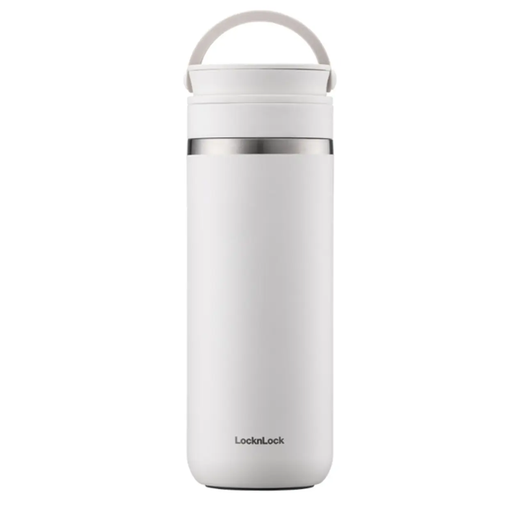
Why This Fits Their Persona: Ideal for coffee or tea on the way to work. The two-way lid system offers a narrow drinking opening for on-the-go use and a wide opening for easy filling with ice cubes or for thorough cleaning.
The lid can be disassembled into its individual parts, which bypasses the pitfall of a hard-to-clean closure and ensures hygienic use.
Two-way lid: Flexible for drinking and filling. BPA-free and leak-proof for safe transport.
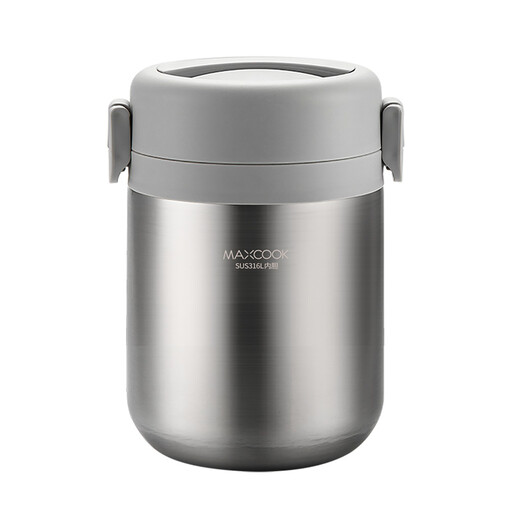
Why This Fits Their Persona: Perfect for anyone who wants to take a full, hot meal with them. The large 1.5-litre capacity and wide opening make it the ideal food thermos for meals like stews, curries, or pasta dishes.
By using 316 stainless steel, it avoids the trap of low-quality material. It is particularly resistant to acids and salts, which prevents flavour distortion in soups.
High-grade 316 stainless steel: Maximum corrosion resistance and flavour neutrality. Wide opening: Easy to fill, eat from, and clean.
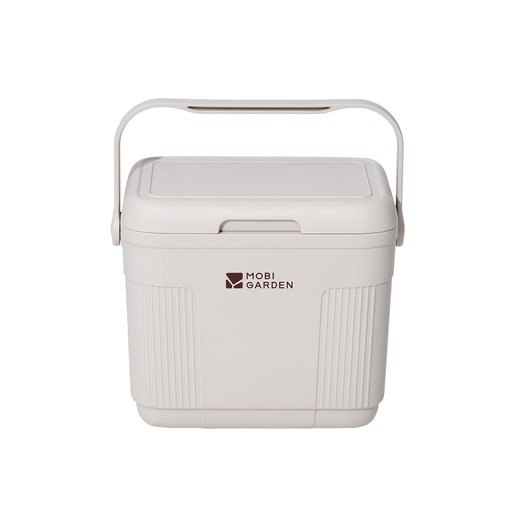
Why This Fits Their Persona: This cooler is the ideal camping accessory for family outings or fishing trips. With 22 litres of space, it offers enough room for drinks and food for several people. The robust construction is designed for outdoor use.
Instead of relying on unrealistic promises, its cooling performance is based on using ice packs in a PU-insulated box. The performance is scalable and depends on the amount of ice, allowing for honest and effective cooling.
Large capacity: 22 litres for family needs. Robust construction: Reinforced corners and a solid carrying handle for outdoor use.
We have compiled a complete, up-to-date list of products that fully meet these strict selection criteria and comply with German safety regulations.
The best method is to clean it immediately after use with warm water and mild dish soap. Disassemble the lid as much as possible and clean the gasket separately. Let all parts air dry before reassembling the container. For stubborn odours (e.g., from coffee), a mixture of warm water and a spoonful of baking soda can help. Fill the container with it, let it sit for a few hours, and then rinse it thoroughly.
BPA stands for Bisphenol A, a chemical compound used in the manufacturing of certain plastics (like polycarbonate). It is suspected that BPA can leach from the plastic into food and disrupt hormone levels. A container labelled as BPA-free guarantees that the plastic components that come into contact with your food were made without this chemical. This is an important safety feature for products intended for daily food contact.
Yes, most vacuum-insulated stainless steel containers are suitable for both keeping things warm and keeping them cold. The vacuum between the double walls reduces heat exchange in both directions. For optimal performance, it's recommended to prep the container: before use, fill it with hot water for a few minutes before adding hot food, or with cold water before adding cold contents. This step "conditions" the interior and significantly extends the insulation time.