
Lieferung heute & morgen

Qualitätsgarantie

Willkommens-Angebote freischalten: KOSTENLOSE Lieferung | Bis zu 80 % RABATT | Kostenlose 30-Tage-JoyPlus-Testphase
App herunterladen
Whether it's hot coffee on the way to work, a warm soup for your lunch break, or chilled drinks at a picnic – a reliable insulated container is a practical everyday companion. But the market is crowded, and many products don't live up to their advertising claims. As your Joybuy Product Recommendation Officer, I'm here to help you separate the wheat from the chaff and find a container that truly fits your needs.
Many buyers invest in a container only to find that it fails to hold its temperature, leaks in their backpack, or is difficult to clean. These issues can often be traced back to three common pitfalls:
To avoid a bad purchase, you should focus on objective, verifiable criteria instead of marketing buzzwords. The following three aspects are crucial for the longevity and functionality of your insulated container.
The heart of any insulated container is its construction. Most models use double-wall vacuum insulation. A vacuum is created between the inner and outer walls of stainless steel, which drastically reduces heat transfer (both from the inside out and vice versa).
Pay attention to the type of stainless steel:
For lids and seals, polypropylene (PP) and silicone are common materials. Ensure they are declared BPA-free to guarantee safe contact with food.
A container advertised as leak-proof must have a reliable closure. A simple screw-top lid with a thick silicone gasket is often a safe bet. For an insulated carafe or a thermal mug, quick-tip closures that allow for one-handed pouring are also practical. If you're looking for an insulated food jar, a wide mouth opening is essential. It not only makes filling and eating directly from the container easier but also simplifies cleaning.
Think carefully about what you will primarily use the container for:
Based on these objective criteria, we have selected a few products from our range that offer a well-thought-out solution for specific user profiles.
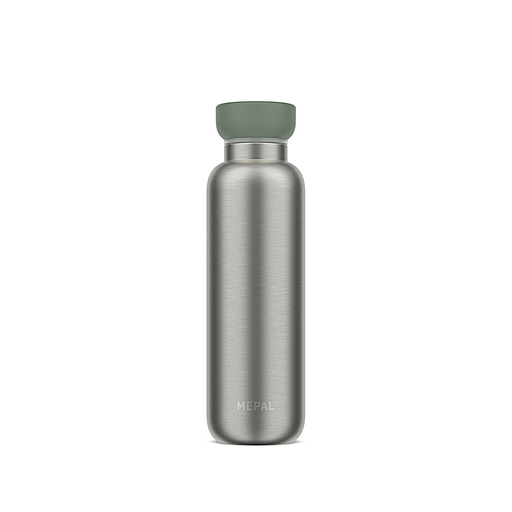
Why This Fits Their Persona: Ideal for commuters looking for a compact, stylish, and reliable insulated bottle for their daily coffee or tea. The 500 ml size fits in most bags and cup holders.
The manufacturer's claims on insulation performance (up to 12h warm, 24h cold) are nuanced and practical. The lid is well-engineered, and the plastic parts are dishwasher-safe, which simplifies cleaning.
Made from double-walled stainless steel. The exterior remains cool and dry. The lid is dishwasher-safe for easy and hygienic cleaning.
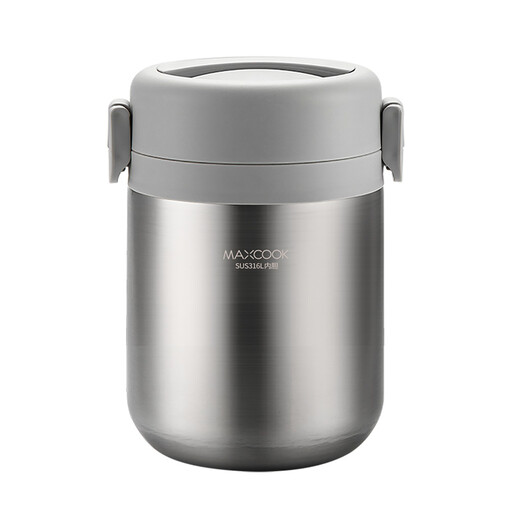
Why This Fits Their Persona: Perfect for anyone who wants to enjoy a full, hot meal at the office. The large capacity and wide opening make this insulated food jar especially practical.
This container addresses the material issue by using 316 stainless steel, which offers superior corrosion resistance. The screw-top lid with a silicone gasket is specifically designed for the secure transport of liquid foods.
The wide opening significantly simplifies filling, eating, and cleaning. The use of 316 stainless steel makes it exceptionally durable, even with frequent contact with salty or acidic foods.
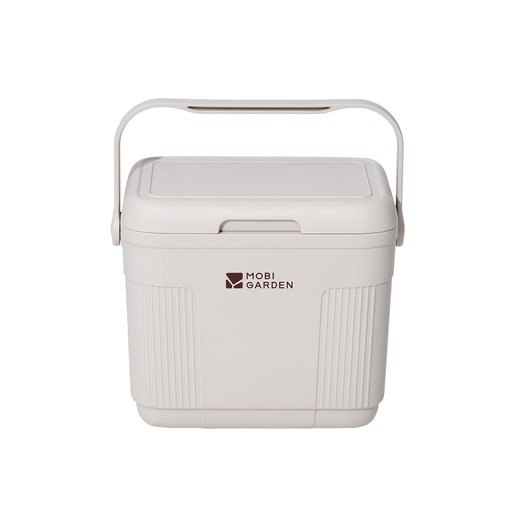
Why This Fits Their Persona: For family outings, camping, or barbecues where a large quantity of food and drinks needs to be kept cool. This cooler is designed for ruggedness and high capacity.
Instead of a simple hollow body, this box features PU polyurethane foam insulation and a silicone seal on the lid. This provides significantly better and longer-lasting cooling performance than basic coolers and prevents cold air from escaping quickly.
Generous 22-litre capacity, reinforced corners for outdoor use, and special compartments for the included ice packs to optimise cooling performance.
We've compiled a complete, up-to-date list of products that fully meet these strict selection criteria and UK safety regulations.
Most stainless steel containers should be cleaned by hand with warm water and a mild dish soap. Avoid abrasive sponges to prevent scratching the surface. For stubborn odours, a mixture of water and baking soda left to soak overnight can help. Always store the container with the lid off to allow it to dry completely and air out.
It is generally not recommended unless the manufacturer explicitly states that the product is suitable for it. The pressure created by the carbonation can damage the lid or cause it to pop open abruptly.
BPA (Bisphenol A) is an industrial chemical used in the production of certain plastics. Studies have shown that BPA can leach into food or beverages. A product labelled as BPA-free guarantees that the plastic components that come into contact with your food have been manufactured without this chemical. This is an important safety standard for reusable food containers.