
Lieferung heute & morgen

Qualitätsgarantie

Willkommens-Angebote freischalten: KOSTENLOSE Lieferung | Bis zu 80 % RABATT | Kostenlose 30-Tage-JoyPlus-Testphase
App herunterladen
As a dog owner, you want to provide your four-legged companion with a safe and comfortable outdoor retreat, especially during the cold and wet months. Buying an insulated dog house seems like the obvious solution. But the market is flooded with products whose promises don't hold up in practice. Before you make a decision, it's crucial to understand the common pitfalls that can lead to disappointment and unnecessary expense.
Many dog houses look sturdy at first glance, but their weaknesses are only revealed after the first winter. Watch out for these three critical points to avoid a bad purchase:
To ensure your investment truly benefits your pet, you should carefully examine three technical aspects. These define the quality and longevity of an outdoor dog house.
Insulation is the defining feature of a winter-proof dog house. Effective insulation typically consists of a sandwich construction: an outer wooden layer, a middle insulation layer (e.g., Styrofoam or foam), and an inner lining.
The material determines resilience and lifespan. A wooden dog house is a popular choice, but the type of wood and its treatment are crucial.
The house should be large enough for the dog to stand, turn around, and stretch out comfortably. However, a house that is too large is difficult for a dog to warm up with its own body heat in winter.
Based on these criteria, we have curated a selection of products that address the diverse needs of dog owners and their living situations.
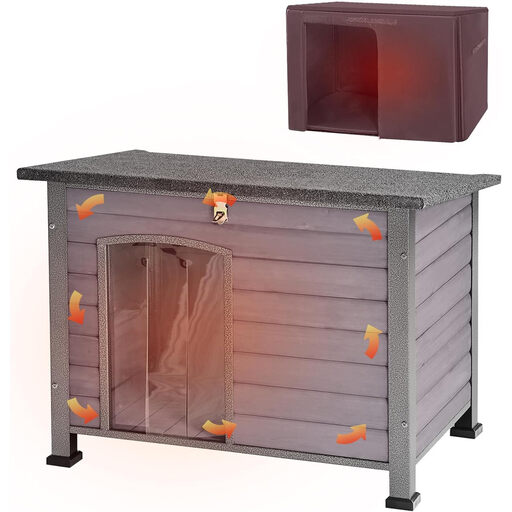
Why This Fits Their Persona: Ideal for owners seeking a no-compromise, all-season solution. This model combines a robust wooden construction with explicit insulation and a sturdy steel frame to ensure maximum protection and durability.
The explicit designation as insulated goes beyond a simple "weather-resistant" promise. The fully enclosed steel frame prevents the instability that can occur with all-wood constructions.
Combines the aesthetics of wood with the stability of a steel frame. Suitable for small, medium, and large dogs. The raised floor offers extra protection from cold and moisture.
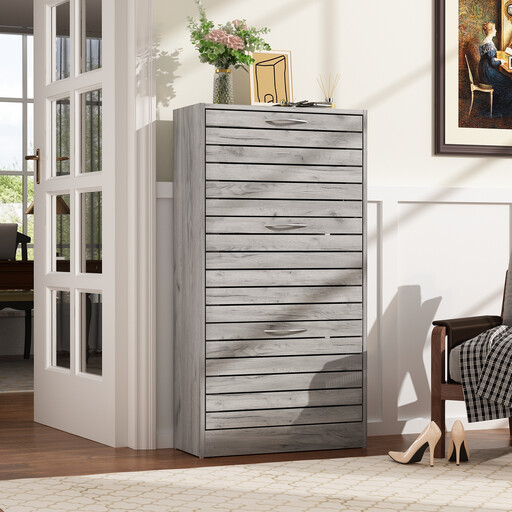
Why This Fits Their Persona: A dog-friendly home requires smart organization. This slim shoe cabinet is perfect for keeping the hallway tidy, storing shoes, leashes, and other essentials neatly and within reach after a walk in any weather.
Avoids the daily chaos in the entryway. Instead of leaving shoes and accessories lying around, the cabinet provides a closed, tidy solution that keeps the living space clean.
High storage capacity with a small footprint (only 24 cm deep). The modern grey design fits many interior styles and complements the aesthetic of wood and grey tones.
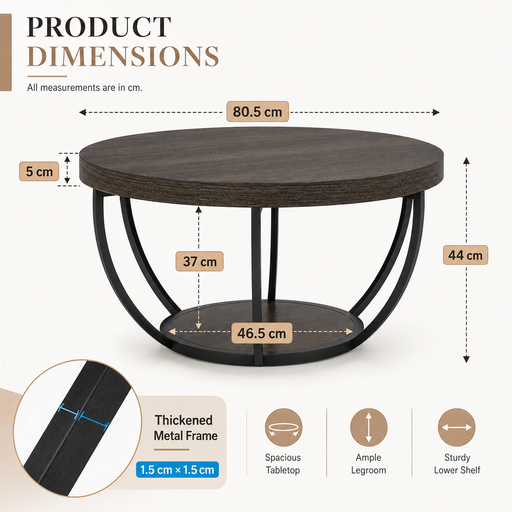
Why This Fits Their Persona: For those who value functional elements that blend harmoniously into their home's overall design. This coffee table echoes the wood and metal material combination, creating a stylistic link between indoor and outdoor spaces.
Avoids a visual clash of styles. Instead of treating purely functional pet furniture as an afterthought, a deliberate choice of matching interior furniture creates a thoughtful and cohesive living concept.
Modern 2-tier design with generous storage space. The combination of wood grain and the 6-arch steel frame ensures stability and a timeless aesthetic.
Choosing the right furniture that is both functional and aesthetically pleasing is crucial. We've curated a selection of products that meet these criteria.
Most high-quality wooden dog houses are already pre-treated with a protective stain. However, it is recommended to renew this protective layer every one to two years to permanently protect the wood from weathering agents like rain, snow, and UV radiation. Be sure to use a pet-safe, saliva-resistant stain for this purpose.
The house should allow the dog to stand up, turn around, and lie down comfortably. However, a house that is too large is counterproductive, as the dog cannot warm it sufficiently with its body heat in winter. As a rule of thumb: the height should be about 20% more than the dog's shoulder height, and the length should be about 50% more than its body length (from nose to the base of the tail).
For regular cleaning, it's sufficient to sweep or vacuum out loose hair and dirt. For heavier soiling, the interior walls can be wiped down with a mild soap solution and a damp cloth. Ensure the house is completely dry before the dog uses it again to prevent mould growth. Models with a hinged roof make cleaning significantly easier.