
Lieferung heute & morgen

Qualitätsgarantie

Willkommens-Angebote freischalten: KOSTENLOSE Lieferung | Bis zu 80 % RABATT | Kostenlose 30-Tage-JoyPlus-Testphase
App herunterladen
A good insulated flask is more than just a container. It's your ticket to hot coffee during a long workday, warm tea on a family outing, or preserving the full aroma of your favourite drinks for hours. But the market is flooded with models whose marketing promises often fall flat in practice. Many buyers are frustrated by leaky lids, drinks that cool down too quickly, or a metallic aftertaste.
This guide will help you avoid the common pitfalls and make an informed decision. We focus on the crucial features that define a functional and durable insulated carafe.
Before we dive into the important features, you should be aware of the most common issues that can lead to a bad purchase:
To find a flask that meets your needs, you should carefully examine three technical aspects.
The heart of every thermal coffee pot is its insulating body. The most common types are:
The lid determines the ease of use and how leak-proof the flask is. Common systems include:
For transport, an absolutely leak-proof lid is essential. Check the manufacturer's specifications on leak-proofing and whether the lid can be easily disassembled for cleaning.
The size should match your consumption. A flask that is too large means more air inside, which allows heat to escape faster.
Here are some recommendations tailored to specific user profiles that avoid the pitfalls mentioned.
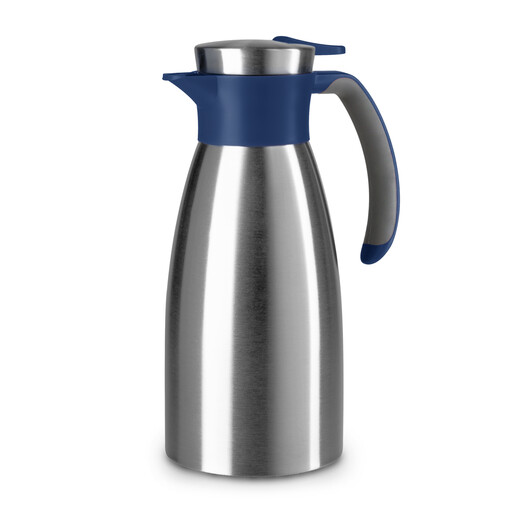
Why this model is a great fit: With a 1-litre capacity, it's the perfect size for a workday's coffee needs without leaving much leftover. The non-slip grip and one-finger closure allow for uncomplicated, one-handed operation right at your desk.
The robust, double-walled stainless steel liner eliminates the risk of breakage associated with a glass insert. According to the manufacturer, the Quick-Tip closure is 100% leak-proof, preventing the common problem of leaky or dripping flasks.
The combination of durability (stainless steel), ease of use (one-handed operation), and leak-proof design makes it a reliable everyday companion.
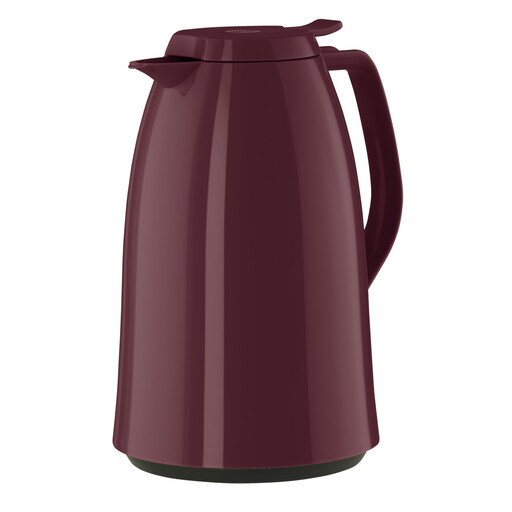
Why this model is a great fit: With a 1.5-litre capacity, this flask easily serves a larger group at Sunday breakfast or during coffee with friends. Its classic design fits unobtrusively on any table setting.
Although it uses a glass liner for maximum flavour preservation, it comes from an established German manufacturer. The 5-year warranty, as stated by the manufacturer, speaks to the quality of the craftsmanship and reduces the risk of a quick defect. The lid is designed for drip-free pouring.
A large 1.5-litre capacity combined with a taste-neutral glass liner and a proven, leak-proof design for serving guests.
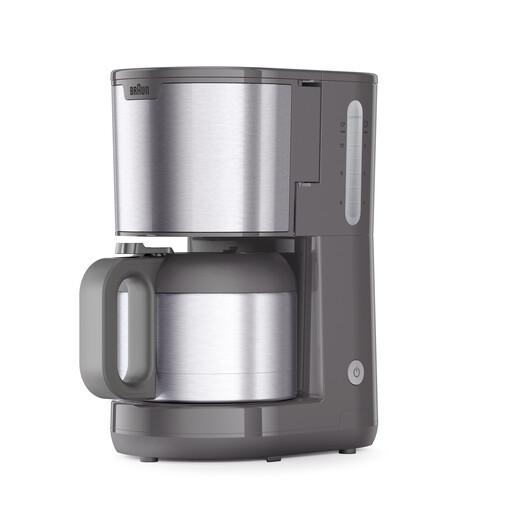
Why this model is a great fit: This solution is perfect for anyone who wants fresh coffee at the push of a button in the morning, which then stays hot and aromatic for hours. Brewing directly into the insulated carafe is the most efficient way to maintain temperature.
The integrated system avoids the heat loss and risk of spills that come with transferring from a glass pot to a thermos. The manufacturer's OptiBrew system ensures an optimised interplay of temperature and brewing time, counteracting the problem of flavour loss.
An all-in-one solution that seamlessly combines the brewing process and heat retention. The drip-stop function also allows you to pour a cup before the brewing cycle is complete.
We have compiled a complete, up-to-date list of products that fully meet these strict selection criteria and German safety regulations.
How do you properly clean a stainless steel thermos flask to avoid flavour residue? For daily cleaning, hot water and a mild dish soap are sufficient. Rinse the flask thoroughly afterwards. For stubborn coffee or tea stains, special cleaning tablets for thermos flasks or a packet of baking soda filled with hot water and left to soak for a few hours will help. Avoid using steel wool or abrasive cleaners, as they can damage the inner surface.
Does a thermos with a glass liner or one made of stainless steel keep drinks warm for longer? Both technologies can achieve excellent insulation performance. High-quality glass liners often have a slight advantage in heat retention over a very long period. In practice, however, the difference in quality models is often minimal over the first 6-8 hours. The robustness and shatterproof nature of stainless steel make it the more practical choice for most everyday situations.
What does the "12 hours hot" claim on an insulated flask mean in practice? This claim is typically based on a standardised test where the flask is filled with boiling water (approx. 95°C / 203°F). After 12 hours, the remaining temperature is measured. A good model will still have a temperature above 60-65°C (140-149°F). The drink will still be warm, but no longer hot. For a beverage that feels "hot," you should aim for a time window of 4 to 6 hours.