
Lieferung heute & morgen

Qualitätsgarantie

Willkommens-Angebote freischalten: KOSTENLOSE Lieferung | Bis zu 80 % RABATT | Kostenlose 30-Tage-JoyPlus-Testphase
App herunterladen
A good insulated flask is a practical everyday companion. Whether it's for hot coffee on the way to work, tea during a lecture, or chilled water at the gym, it reliably keeps your drinks at the desired temperature. However, navigating the market can be overwhelming, and not every product lives up to its promises. Before you make a decision, it's crucial to understand the typical pitfalls that often lead to an unsatisfactory purchase.
This guide will help you identify the key features and find an insulated flask that truly meets your needs.
Many products advertise impressive features, but their weaknesses often become apparent in daily use. Pay close attention to these three points to avoid disappointment.
To make the right choice, you should focus on objective and verifiable criteria. These three aspects are crucial for functionality and durability.
The foundation of any high-quality insulated flask is double-wall vacuum insulation made from stainless steel. This design creates a barrier that minimises heat exchange between the contents and the outside environment.
A leak-proof seal is essential when carrying the flask in a bag or backpack. Reliability depends on the quality of the silicone gaskets and the locking mechanism. Simple screw-on lids are often very secure, while more complex drinking spouts should be checked for their seal. A wide mouth not only makes it easier to add ice cubes but also simplifies thorough cleaning.
The size of the flask should fit your daily routine.
Here are some recommendations tailored to specific use cases that meet the criteria mentioned above.
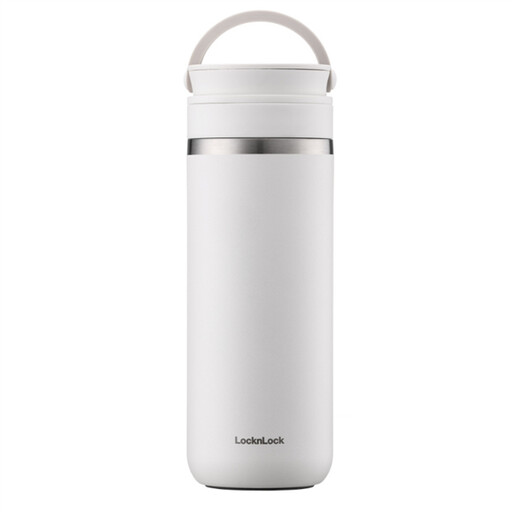
Why This Fits Their Persona: Ideal for morning coffee or an afternoon cold drink. Its compact size fits most cup holders and bags, while the dual-lid system offers flexibility for different beverages.
The dual-lid system features a wide opening, avoiding the pitfall of a hard-to-clean lid. The 316L stainless steel inner container prevents odours from clinging.
Flexible lid with two drinking options; high corrosion resistance from 316L stainless steel.

Why This Fits Their Persona: For hikes and long days outdoors, low weight combined with high capacity is crucial. This 0.75L bottle offers exactly that, paired with a secure lid for transport in a backpack.
The "Safe Flow" lid with a safety lock is specifically designed to be completely leak-proof, even during movement. Its lightweight design debunks the assumption that durability always means heavy weight.
Up to 48% lighter than comparable products, according to the manufacturer; leak-proof lid with an additional safety lock.
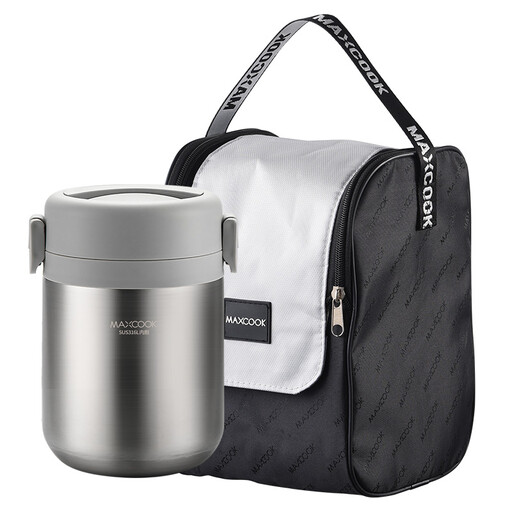
Why This Fits Their Persona: This large insulated food jar is perfect for taking a hot meal for a lunch break or a family outing. The included bag makes transport easy.
The extra-wide opening makes cleaning straightforward and prevents food residue from getting trapped in hard-to-reach corners. The 316 stainless steel is ideal for a wide variety of foods and resists odours and corrosion.
Large 1.5L capacity for meals; wide opening for easy filling and cleaning; includes an insulated carrying bag.
We have compiled a complete, up-to-date list of products that fully meet these strict selection and safety criteria.
For daily cleaning, simply rinse the flask and lid with warm water and mild dish soap. Use a bottle brush to reach the bottom and inner walls. Allow all parts to air dry completely before reassembling, and store the flask with the lid off. For stubborn odours, a mixture of warm water and a spoonful of baking soda can help. Let the solution sit for a few hours, then rinse thoroughly.
Both steel grades are food-safe and suitable for insulated flasks. 304 stainless steel (also 18/8 stainless steel) is the common standard. 316 stainless steel contains added molybdenum, which gives it higher resistance to corrosion from salts and acids. If you regularly transport acidic drinks like tomato soup or fruit juices, a container with a 316 stainless steel interior can be a more durable choice.
Some models are designated as dishwasher-safe (usually for the top rack). This can make cleaning easier. However, hand washing is often recommended to preserve the exterior coating (e.g., paint or powder coat) and the seals over the long term. The high temperatures and harsh detergents in a dishwasher can potentially reduce the lifespan of the vacuum seal or damage the exterior finish. Always check the manufacturer's instructions for specific guidance.