
Lieferung heute & morgen

Qualitätsgarantie

Willkommens-Angebote freischalten: KOSTENLOSE Lieferung | Bis zu 80 % RABATT | Kostenlose 30-Tage-JoyPlus-Testphase
App herunterladen
A good insulated flask is an unsung hero of daily life. It keeps your Sunday morning coffee hot for hours, your iced tea refreshingly cool in the summer, and your soup steaming hot at the office. But the wrong purchase can quickly lead to disappointment. A leaky seal, diminishing insulation, or cumbersome cleaning are common annoyances.
Many buyers rely on marketing promises that don't hold up in practice. Before you make a decision, it's helpful to know the typical pitfalls, which often only become apparent after a few weeks of use:
This guide will help you avoid these problems and find an insulated flask or food jar that reliably does its job.
To make an informed choice, you should focus on three core features. These determine the durability, functionality, and everyday utility of your new thermal flask.
The material of the inner flask is a fundamental decision. Both options have specific pros and cons.
The lid is often the weak point of a thermal carafe. Look for a mechanism that suits your intended use.
The capacity should be tailored to your needs. A flask that is too large will lose heat more quickly if it's only half-full.
Insulation performance is often stated by manufacturers in hours (e.g., 12 hours hot / 24 hours cold). These figures typically refer to a completely full and unopened flask. In everyday use, with repeated opening, the actual duration will be shorter.
Instead of a one-size-fits-all recommendation, we've selected products for specific user profiles.
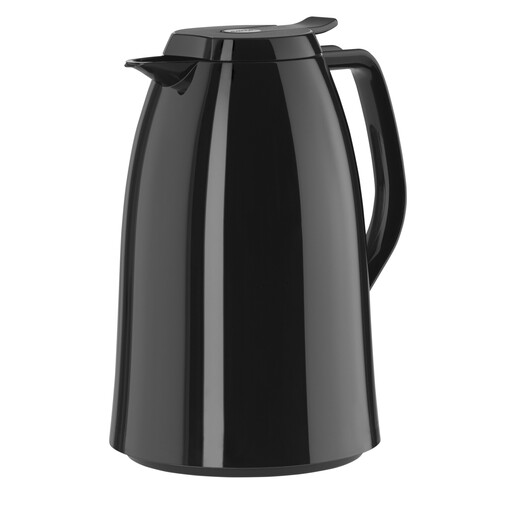
Why it's a good fit: With a 1.5-litre capacity, it's ideal for families or for serving guests. The classic design and simple handling make it an uncomplicated companion for the dinner table.
The tried-and-tested Quick-Press seal is known for its reliability, minimising the risk of a leaky lid during tabletop use. The large opening makes cleaning easier and helps prevent residue buildup.
One-handed, portioned pouring. According to the manufacturer, it keeps drinks hot for up to 12 hours or cold for 24 hours.
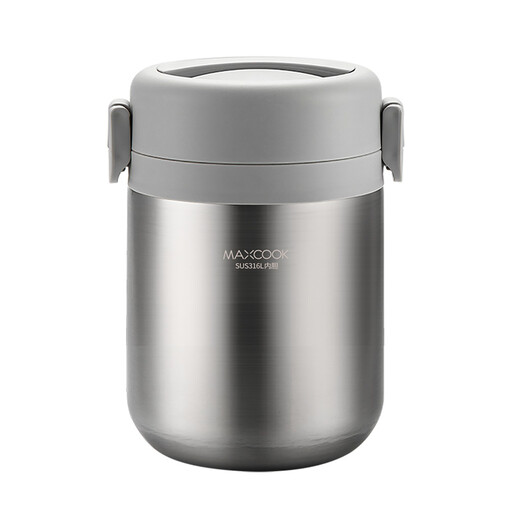
Why it's a good fit: As a **hot lunch box**, this container is designed for professionals and students who want to take a warm meal with them. The robust stainless steel construction is built for daily transport.
The **316 stainless steel** construction is resistant to impacts, preventing the loss of the vacuum. The wide mouth solves the problem of cumbersome cleaning and allows you to eat directly from the container.
The tight-sealing lid is designed to be leak-proof. The wide mouth makes filling, eating, and cleaning significantly easier.
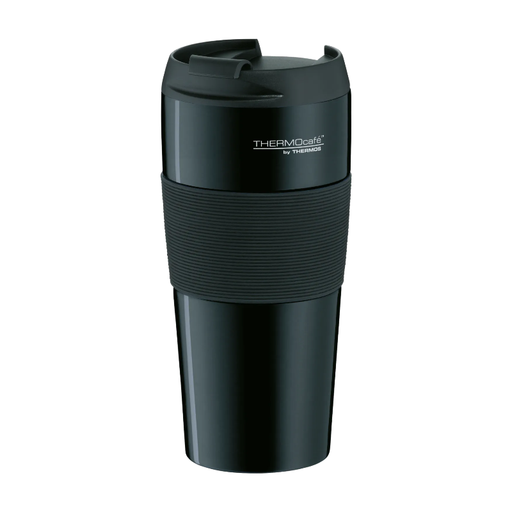
Why it's a good fit: This compact **travel mug** is designed for commuters and individuals who want to enjoy their drink on the go. It's durable, easy to handle, and fits in most cup holders.
The leak-proof flip-top lid is specially designed for transport, preventing spills in a bag or car. The stainless steel construction makes it resistant to the bumps of daily travel.
Allows for one-handed drinking. According to the manufacturer, the mug is dishwasher-safe (top rack), which simplifies cleaning.
There are specialised containers designed specifically for transporting soups and stews. We have compiled a selection of products that meet these criteria.
For daily cleaning, simply rinsing the flask with hot water is usually sufficient. For stubborn deposits, especially from coffee or black tea, special cleaning tablets for thermal flasks can help. Alternatively, a mixture of one packet of baking powder and hot water can be left to soak overnight. Most flasks and lids should be washed by hand to avoid damaging the seals and insulation performance.
The most common cause is a damaged vacuum between the flask's two walls. On a stainless steel insulated flask, this can happen from a dent or a heavy impact. On models with a glass liner, the inner flask has likely cracked or broken, often from a fall or thermal shock (e.g., pouring boiling water into an ice-cold flask). In both cases, the insulating effect is lost, and a repair is usually not possible.
There's no single best choice; it depends on the intended use. For transport, camping, or in households with children, a durable stainless steel insulated flask is the safer option. For the pure, unadulterated enjoyment of high-quality coffee or tea at home, many prefer the taste-neutral glass liner but must handle its fragility with care.