
Lieferung heute & morgen

Qualitätsgarantie

Willkommens-Angebote freischalten: KOSTENLOSE Lieferung | Bis zu 80 % RABATT | Kostenlose 30-Tage-JoyPlus-Testphase
App herunterladen
An insulated food container is designed to protect meals on the go from losing or gaining heat. However, not every model is equally suitable for soup, sandwiches, drinks or delicate foods. If you focus only on large capacity figures or terms such as “leak-proof”, you can easily overlook important details.
A thermal food container and a cool box simply maintain the existing temperature for a certain period. They do not actively cool or heat the contents. A cool box with ice packs therefore requires pre-chilled food and a suitable cooling medium.
A soup thermos should also be preheated with hot water before filling. For cold foods, pre-chilling the container helps. Food at room temperature shortens the practical insulation time.
A container with a capacity of 1.5 litres can be useful for several people or a long day outdoors, but is often unnecessarily large and heavy for a school lunch. An insulated lunch box of around 1 litre is more suitable for a single meal. For picnics, fishing or camping, however, a 10-litre cool box can offer greater flexibility.
As well as the volume, consider the external dimensions. A tall thermal container will not fit in every work bag, while a wider lunch box may take up more room in a rucksack.
A tightly closing lid reduces the risk of liquids escaping, but does not replace proper use. Seals must be clean and undamaged. With some thermal containers, it is also advisable to transport the container upright and not fill it completely.
Check whether the lid has a silicone seal, whether it can be removed for cleaning and whether the manufacturer provides instructions on dishwasher cleaning. Residue in the seal can encourage odours and leaks, particularly over time.
For a meal at the office or school, 1 to 1.2 litres is often sufficient. A wide container with a large opening makes filling, eating from and cleaning it easier. A narrow container takes up less space, but can be less practical for thicker foods.
For families, day trips and camping, larger models or a camping cool box may be worth considering. A 10-litre cool box has room for several drinks, fruit, snacks and prepared food, but also requires ice packs or ice.
Stainless steel thermal containers are often made from 304 or 316 stainless steel. These material designations describe the composition of the material and should not automatically be taken as an indication of insulation performance. It is also important to check whether the container has vacuum insulation, a properly functioning lid and a robust seal.
Plastic models made from food-safe PP can offer weight advantages in cool boxes. A PU foam layer can reduce heat transfer. Check the manufacturer’s specific information about the interior and any guidance on food safety.
A large opening makes cleaning considerably easier. After each use, the lid, threads and sealing areas of thermal containers should be rinsed and dried completely. According to their product information, many stainless steel models are intended for hand washing.
With a lunch box that is suitable for microwave use, the lid must be removed before heating. A dishwasher-safe container can save time in everyday use. Nevertheless, check the instructions, as the seal or lid may not be dishwasher-safe.
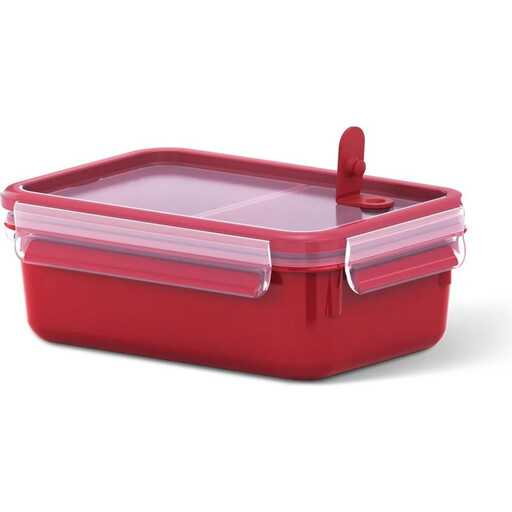
Why this product suits this profile: With a 1-litre capacity and rectangular shape, this lunch box is suitable for prepared meals at the office, school or on the go.
The listed features include a leak-proof closure, as well as dishwasher and microwave suitability. The lid must be removed before heating.
1,000 ml capacity, BPA-free product specification and dimensions of approximately 19,5 × 13,5 × 7 cm.

Why this product suits this profile: The wide neck, vacuum insulation and 1.5-litre capacity make it suitable for hot meals, soups and larger portions.
The wide opening makes cleaning and filling easier. The lid with seal is designed for transport; the container should not be overfilled or used in the microwave.
316 stainless steel, vacuum insulation, wide opening and a stated weight of approximately 0.86 kg.
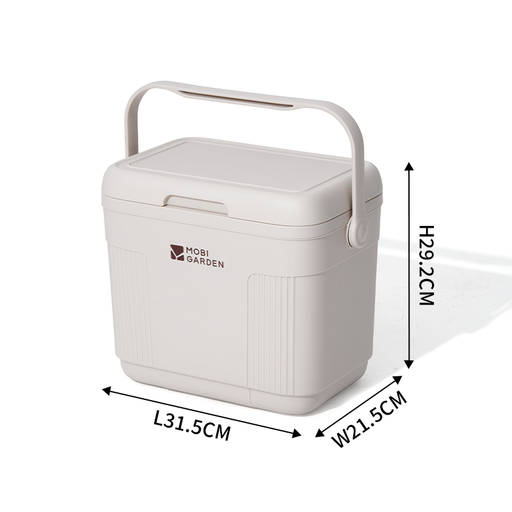
Why this product suits this profile: This robust cool box is designed for camping, picnics, fishing and journeys when you need to transport several food items or drinks.
The box is specified as a passive cooling and warming box. Its performance depends on pre-chilled contents, ice packs, as little empty space as possible and infrequent opening.
10-litre capacity, PP plastic, PU insulation layer, carry handle and lid seal; dimensions approximately 26 × 16 × 23 cm.

Why this product suits this profile: This set combines an insulated container with a separate carrying bag, making it suitable for commuting, the office and short trips.
The carrying bag makes separate transport easier. For reliable sealing, the lid should be closed correctly and the container carried as upright as possible.
316 stainless steel, 1.5-litre capacity, wide opening, vacuum insulation and an included lunch bag.
We have put together a complete, regularly updated list of products that fully meet these strict selection criteria and the safety regulations applicable in the EU.
The duration depends on the type of container, starting temperature, amount of food, surroundings and how often it is opened. Vacuum insulation can maintain the temperature for several hours. Cool boxes generally require pre-chilled contents and ice packs. Manufacturer specifications should therefore be treated as guidance under particular conditions.
For liquid foods, a wide, tightly sealed soup thermos is more practical. A rectangular lunch box is better suited to solid foods, side dishes and sandwiches. A wide opening, an intact seal and a secure closure are key.
Rinse the container after use with warm water and mild washing-up liquid. Clean the threads and seal particularly thoroughly, and leave all parts open to dry. Do not use aggressive acids, alkalis or oxidising cleaning products if the instructions advise against them.