
Lieferung heute & morgen

Qualitätsgarantie

Willkommens-Angebote freischalten: KOSTENLOSE Lieferung | Bis zu 80 % RABATT | Kostenlose 30-Tage-JoyPlus-Testphase
App herunterladen
A warm, home-cooked stew at the office or a chilled fruit salad after a hike—a good insulated food jar makes it possible. But the market is saturated with products whose promises often fall flat in practice. Many containers quickly lose their insulating power, aren't truly leak-proof, or develop unpleasant odours after a short time.
This guide will help you avoid the common pitfalls when buying. We'll focus on the critical features that define a reliable thermal food container, so you can make an informed decision.
Before you invest, you should know the weaknesses that often only become apparent in daily use:
To avoid these issues, focus on three core technical aspects. These determine the longevity and functionality of your container.
Most food thermoses are made of stainless steel. However, there are significant quality differences.
A leak-proof stainless steel container's performance lives and dies by its lid. Look for a robust design with a thick, precision-fit silicone gasket. For transporting hot foods, especially in a soup thermos, a lid with a pressure release valve is a smart feature. It allows you to safely vent the overpressure created by the heat before opening, which also protects the seal.
The size should match your needs. A capacity of 400–750 ml is ideal for a single portion of soup or stew. For a full meal or for sharing, models with 1 to 1.5 litres are more suitable. A wide mouth is not only practical for filling and eating directly from the jar but also makes thorough hand washing much easier.
Here are some models tailored to specific needs that meet the quality criteria mentioned.
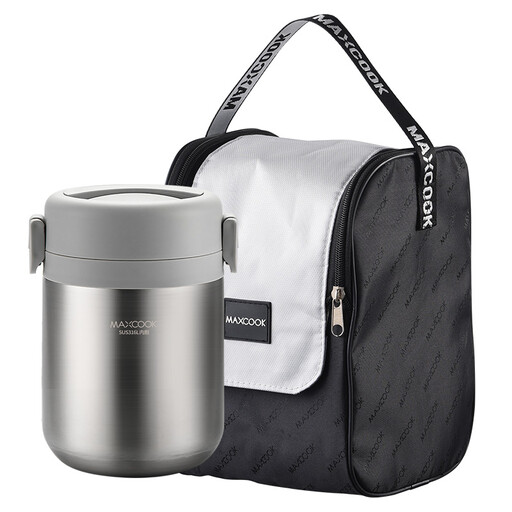
Why This Fits Their Persona: Ideal for users who take a complete, hot meal to work or on an outing. The large volume and included bag make transport effortless.
The container is made of 316 stainless steel, making it resistant to odours and corrosion from salty or acidic foods (Problem 3). The wide opening simplifies cleaning.
Large 1.5-litre capacity. High-quality material for durability and flavour neutrality. Includes a practical insulated bag.
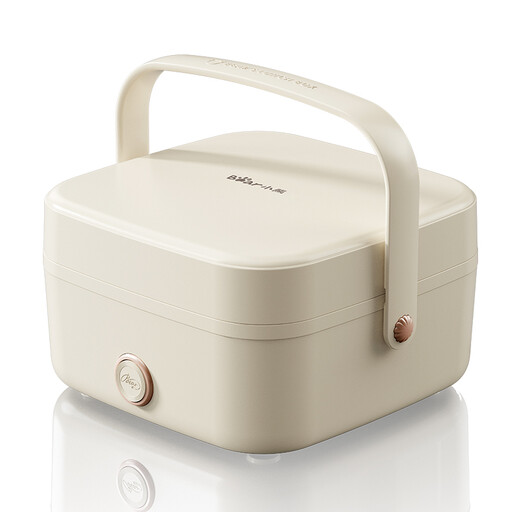
Why This Fits Their Persona: Perfect for professionals who want a guaranteed hot meal at their desk without relying on the communal microwave. A modern alternative to passive insulation.
This electric lunch box completely bypasses the problem of diminishing insulation performance (Problem 1) by actively heating food up to 70°C. The vacuum-sealed gasket is designed for freshness.
Active, waterless heating right at your workspace. Removable inner container with a non-stick coating for easy cleaning.
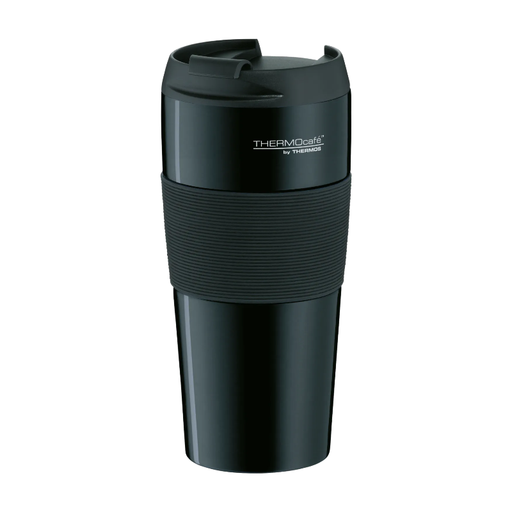
Why This Fits Their Persona: A compact and reliable companion for a daily portion of soup, porridge, or a hot beverage. Fits in most bags and cup holders.
The Thermos brand is renowned for its reliable insulation technology. The leak-proof flip-top lid is designed for one-handed operation and stays sealed even on the move (Problem 2). The stainless steel is flavour-neutral.
Compact design and easy handling. Dishwasher safe (top rack) for effortless cleaning. BPA-free.
We have compiled a complete, up-to-date list of products that fully meet these strict selection criteria and comply with German safety regulations.
1. How do I properly clean an insulated food jar to prevent odours? Rinse the container with hot water immediately after use. For a thorough cleaning, use warm water and dish soap. For stubborn odours, a mixture of baking soda and warm water left to soak for a few hours can help. Disassemble the lid, if possible, and clean all parts separately. Avoid abrasive scouring pads, as they can damage the stainless steel surface.
2. What is the difference between a self-heating lunch box and a thermal food container? A classic thermal food container (or insulated food jar) uses passive vacuum insulation to keep food hot or cold for several hours. A self-heating lunch box typically refers to an electric lunch box. It actively heats the meal via a power outlet, making it dependent on a power source but guaranteeing a hot meal.
3. Can I carry carbonated drinks in an insulated container? This is generally not recommended. The pressure buildup from carbonation can damage the lid or cause it to open suddenly and uncontrollably. Use your insulated container exclusively for non-carbonated liquids and foods.