
当日/次日达

品质保障

开启新人专享福利: 全场免邮 | 低至 2 折 | 免费试用 30 天 JoyPlus 会员
下载 Joybuy
A warm, home-cooked meal on the go is not only more cost-effective but also a comforting break in the daily grind of work or university. A good insulated food jar promises just that. But the market is flooded with products making lofty claims that often don't hold up in practice. Before you make a decision, it's crucial to understand the common pitfalls that can lead to a useless product and disappointment.
As your Joybuy Product Recommendation Officer, I'm here to help you separate marketing hype from reality. Here are the most common problems and what you should look for instead:
To avoid a bad purchase, you should focus on objective and verifiable product features. These three criteria are crucial for the durability and functionality of your insulated food container.
Most high-quality stainless steel food containers are made of stainless steel. But there are differences.
Both materials, combined with double-wall vacuum insulation, are the foundation for good temperature retention.
The reliability of a container lives and dies by its lid. Look for a screw-on lid that allows for an even and tight seal. A wide, flexible silicone gasket is essential to seal the container reliably. Some models also offer a pressure release valve, which makes opening easier with hot contents and prevents the lid from getting stuck under vacuum. For transporting food in a leak-proof thermal container, this feature is non-negotiable.
The right size depends on your appetite and intended use. For a portion of soup, 500–750 ml is often sufficient. For a full meal, 1 to 1.5 litres is a good guideline. Just as important is a wide mouth. It not only makes it easier to fill and eat directly from the container but is also essential for thorough and straightforward cleaning. An insulated lunch box for work must be practical above all else.
Here are some product recommendations tailored to specific user profiles that meet the criteria mentioned above.

Why This Fits Their Persona: Ideal for users who want to bring a full, warm meal. The 1.5-litre capacity is generous, and the 316 stainless steel is perfect for daily, intensive use with a wide variety of foods.
The wide mouth bypasses cleaning issues. The robust screw-top lid with a silicone gasket is designed for leak-proof performance, preventing nasty surprises in your bag.
High-grade 316 stainless steel for maximum corrosion resistance and durability. Large 1.5-litre capacity.
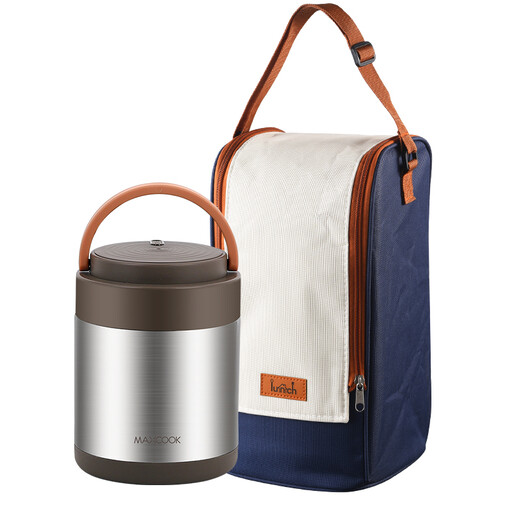
Why This Fits Their Persona: Offers a large volume and reliable insulation at a practical price point. Perfect for students or professionals looking for a solid, everyday solution for their lunch.
The stated heat retention of 4–6 hours is a realistic estimate for daily use. The straightforward design with a wide mouth ensures easy cleaning.
Excellent value for money. The 1.4-litre volume and construction from proven 304 stainless steel offer high functionality.
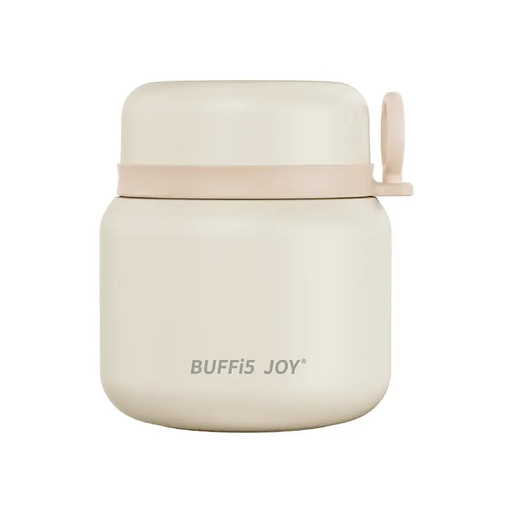
Why This Fits Their Persona: The compact 500ml size is perfect for a single portion of soup, stew, or porridge. The container is easy to carry and doesn't take up much space in a bag.
By specialising in liquids and semi-liquids, the focus is on an absolutely tight seal. The use of 316 stainless steel prevents corrosion from salty or acidic soups.
Compact 500ml size for single servings. Made from corrosion-resistant 316 stainless steel, ideal for soups.
We've compiled a complete, up-to-date list of products that fully meet these strict selection criteria and all relevant safety regulations.
Most stainless steel container bodies should be hand-washed with warm, soapy water to avoid damaging the vacuum insulation. The lid requires special attention: if possible, remove the silicone gasket and clean it separately to prevent mould growth. Let all parts air-dry completely before reassembling and storing the container.
To keep your meal warm for as long as possible, you can pre-condition the container. To do this, fill it with boiling water for about 5–10 minutes before adding your hot food. Empty the water and immediately fill it with your meal. This simple step pre-heats the stainless steel inner wall and reduces initial heat loss.
For most users, 304 stainless steel is perfectly adequate and an excellent choice. However, if you frequently transport very salty foods (e.g., broths) or acidic foods (e.g., tomato soup, dishes with vinegar), 316 stainless steel offers superior corrosion resistance and can extend the product's lifespan. It's an investment in durability for specific, intensive use.