
Lieferung heute & morgen

Qualitätsgarantie

Willkommens-Angebote freischalten: KOSTENLOSE Lieferung | Bis zu 80 % RABATT | Kostenlose 30-Tage-JoyPlus-Testphase
App herunterladen
A hot meal on the go is not just a convenience; it's often a conscious choice for a healthier diet. A reliable insulated food jar seems like the perfect solution. However, the market is flooded with products that often fail to live up to their promises in practice. Before you make a purchase, it's crucial to understand the most common pitfalls that lead to disappointment and wasted money.
As your Joybuy Product Recommendation Officer, I'm here to help you separate marketing hype from reality. In this guide, we'll focus on the critical features that define a quality container and how to make the right choice for your daily routine.
Many buyers only realise after a few weeks that their new container doesn't meet their expectations. Watch out for these three widespread problems:
To avoid buyer's remorse, you should focus on objective and verifiable features. These three parameters are decisive for the longevity and functionality of your container.
Most high-quality insulated food jars are made of stainless steel. However, there are important differences that affect durability and safety.
A good lid is more important than any insulation claim. Look for a sturdy design with a thick, removable silicone gasket. A simple screw-top lid is often more reliable than complex click-mechanisms. Some models feature a pressure-release valve that you activate before opening. This prevents hot steam from escaping uncontrollably and makes the jar easier to open.
The shape of the container affects how you use it. A classic, tall food thermos is well-suited for soups. In contrast, a wider insulated food box with a large opening is more practical for eating directly from and makes cleaning significantly easier. Check the diameter of the opening: is it wide enough to fill the container comfortably and clean it with a standard brush?
Instead of making a one-size-fits-all recommendation, we've matched products to different use cases.
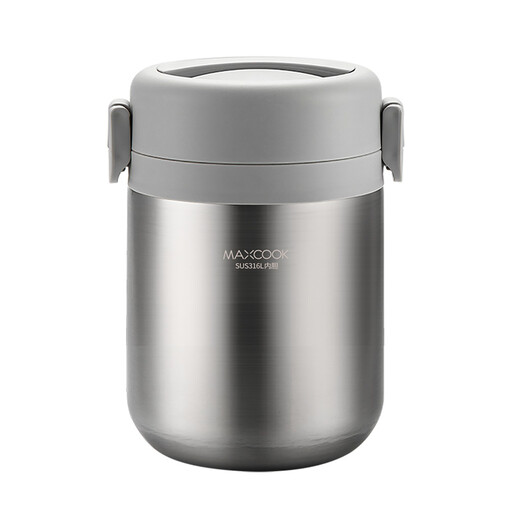
Why This Fits Their Persona: Ideal for those who transport a hot meal like soup or stew daily and value durability and material purity. The generous 1.5-litre volume is perfect for a full-sized meal.
The use of 316 stainless steel counters the problem of corrosion and odour retention. Its vacuum insulation and screw-on lid are engineered for reliable, leak-proof performance when transporting liquids.
High corrosion resistance thanks to 316 stainless steel. The wide mouth simplifies filling, eating, and cleaning.
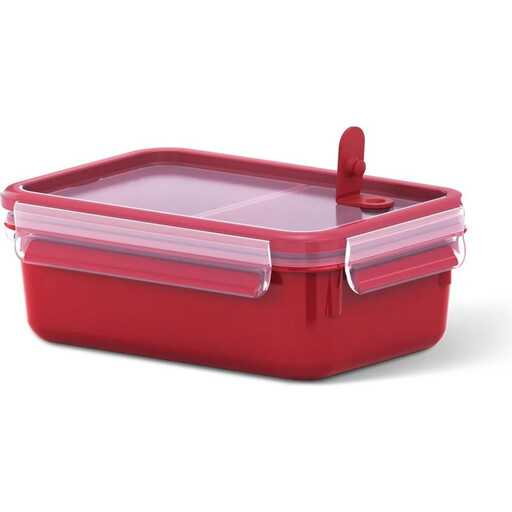
Why This Fits Their Persona: Perfect for anyone who wants to reheat their meal in the office microwave. The focus here is on convenience for preparation and cleaning, not on hours of thermal insulation.
This insulated lunch box sidesteps the trap of unrealistic insulation claims because its main advantage is being microwave-safe. Tefal's certified leak-proof design also directly addresses the issue of leaky containers.
Microwave and dishwasher-safe. BPA-free and made in Germany, which stands for certified material quality.
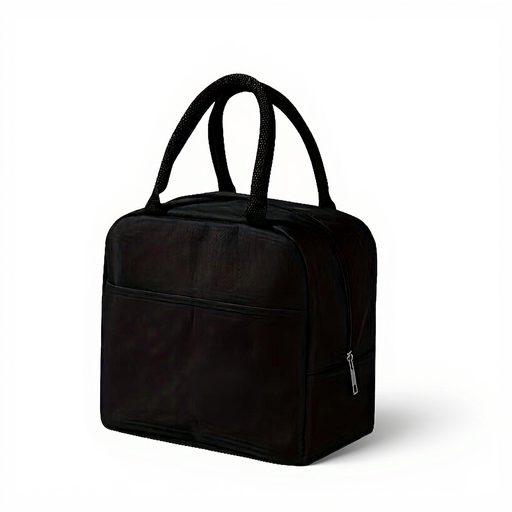
Why This Fits Their Persona: For students or professionals who already own food containers and need a practical, lightly insulated transport solution for their commute to school, university, or for a picnic.
This insulated lunch bag is a supplement, not an alternative to a vacuum-sealed jar. It solves the transport problem and provides light insulation without making unrealistic promises about heat retention.
Flexible transport for various containers, snacks, and drinks. The insulated lining helps maintain the temperature for short periods.
We have compiled a complete, up-to-date list of products that fully meet these strict selection criteria and safety regulations.
1. How do I properly clean an insulated food jar to prevent odours? Rinse the container with hot water immediately after use. For a thorough cleaning, use warm water, dish soap, and a bottle brush. Disassemble the lid and clean the gasket separately. To remove stubborn odours, you can fill the container overnight with a mixture of warm water and a spoonful of baking soda.
2. Can I transport carbonated drinks in an insulated container? No, this is strongly discouraged. The pressure from carbonation can build up inside the sealed container, leading to a sudden, uncontrolled opening or even damage to the lid. Use an insulated container for soup or solid foods exclusively for non-carbonated contents.
3. What is the difference between 304 and 316 stainless steel in food jars? Both are food-safe and rust-resistant. 304 stainless steel (also known as 18/8 stainless steel) is the industry standard. 316 stainless steel offers superior resistance to corrosion from salts and acids due to the addition of molybdenum. This makes it the better choice for people who frequently transport acidic foods like tomato sauces or salty soups.