
Same-day & Next-day Delivery

Quality Guaranteed

Unlock Your Welcome Offers: FREE Delivery | Up to 80% OFF | Free 30-day JoyPlus trial
Download the APP
A warm, home-cooked meal at the office or on the go is not only more budget-friendly but often more nutritious. A good insulated food jar promises exactly that: the pleasure of a meal that tastes like it just left the kitchen, even hours later. But the market is flooded with products whose promises often don't hold up in practice. Before you make a decision, it's important to know the common pitfalls that lead to disappointment and unnecessary expense.
As your Joybuy Product Recommendation Officer, I'm here to help you separate the wheat from the chaff. We'll look at which features truly matter and how you can find a container that reliably does its job.
The 3 most common frustrations when buying insulated food jars:
To avoid these problems, you should focus your attention on a few core technical features. These determine whether an insulated food container will prove its worth in daily use.
Most high-quality insulated containers are made of double-walled stainless steel, with a vacuum between the walls to minimise heat transfer. But the type of stainless steel is crucial:
Leak-proofing depends almost exclusively on the lid. Look for a screw-top lid with a thick silicone gasket. This combination typically offers the most reliable protection against leaks, especially with liquid contents. Clip-on lids can lose their tension over time. For transporting soups, a container explicitly designed as a soup thermos is often equipped with an especially secure screw-top lid.
Consider the portion sizes you want to transport. For a soup or a small snack, 400–500 ml is sufficient. For a full meal, 750 ml to 1.5 litres is a good guideline. A wide mouth is not only a great advantage for cleaning but also allows for comfortable eating directly from the container. Such a thermos for work significantly increases convenience.
For anyone with access to a power outlet at their workplace, an electric lunch box is an interesting alternative. Instead of passively retaining heat, it actively heats the meal before consumption. This guarantees a hot meal, regardless of the insulation performance.
Based on the criteria mentioned, we have put together some products for different user profiles.
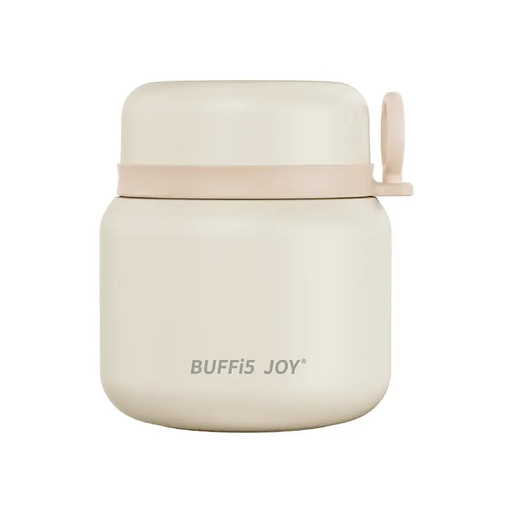
Why This Fits Their Persona: Ideal for a daily single serving of soup, stew, or porridge. Its compact 500 ml size fits into any work bag without taking up too much space.
The robust screw-top lid with an integrated gasket effectively counters the 'Leak Trap', ensuring secure transport of liquid foods.
Uses 316 stainless steel, which offers high resistance to corrosion from acidic foods and ensures taste neutrality.

Why This Fits Their Persona: Perfect for users with a large appetite, for sharing meals, or for family outings. The large volume easily holds multiple servings.
The large thermal mass combined with vacuum insulation helps to avoid the 'Insulation Illusion'. Larger quantities naturally retain temperature for longer.
The 1.5-litre capacity and extra-wide mouth make filling, serving, and cleaning especially easy.
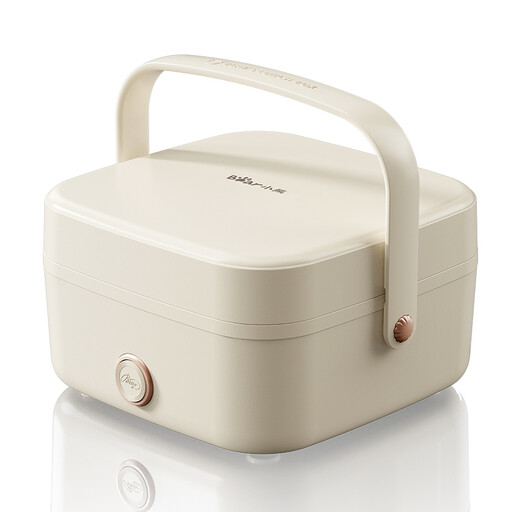
Why This Fits Their Persona: For professionals who have access to a power outlet at work and want a guaranteed hot meal without a microwave.
This device completely bypasses the 'Insulation Illusion' by actively heating food up to 70°C. The temperature is therefore not dependent on the ambient temperature.
The waterless heating function and the non-stick, removable inner container ensure straightforward operation and very easy cleaning.
We've compiled a complete, up-to-date list of products that fully meet these strict selection criteria and German safety regulations.
To optimise insulation performance, you should "prime" the container before filling it. Fill it with boiling water for 5-10 minutes, then empty it just before adding your hot food. This simple step pre-heats the inner walls and prevents the cold container from immediately drawing heat away from your meal.
Most containers should be washed by hand, as the high temperatures in a dishwasher can damage the vacuum seal or the gaskets. Pay special attention to cleaning the lid and the silicone gasket. For stubborn odours, it helps to leave the container filled overnight with a mixture of warm water and a spoonful of baking soda.
Yes, if you have access to a power outlet at your destination (e.g., in the office or on a construction site with a power source). They offer the advantage of a guaranteed hot meal but, unlike passive insulated containers, they are not suitable for use on the go, on hikes, or in places without a power supply.