
Lieferung heute & morgen

Qualitätsgarantie

Willkommens-Angebote freischalten: KOSTENLOSE Lieferung | Bis zu 80 % RABATT | Kostenlose 30-Tage-JoyPlus-Testphase
App herunterladen
A warm meal at lunchtime can change your whole day. But reality often looks different: the lovingly prepared food is merely lukewarm after just a few hours. The search for the right insulated lunch box often leads into a jungle of marketing promises and technical specs. Before you make a decision you'll later regret, it's crucial to know the most common pitfalls.
Many buyers invest in products that fail to deliver on their promises. The most common problems include:
To avoid these issues, a closer look at the key technical features is essential.
Choosing the right container depends on objective criteria that go beyond just design. Pay attention to the following three core parameters to make an informed decision.
The ability to keep a lunch box warm depends directly on its construction. There are two basic technologies:
A truly leak-proof lunch box is distinguished by a well-designed sealing mechanism. The quality of the gasket is crucial. Look for lids with a wide, tight-fitting silicone ring. Screw-top lids often provide a better seal than simple snap-on lids, especially for liquids like soups or stews. The seal should also be easy to remove and clean to prevent mould growth.
The material affects not only insulation performance but also hygiene and durability.
Based on these criteria, we have identified several models suitable for different user profiles and their specific needs for a lunch box for work, school, or on the go.
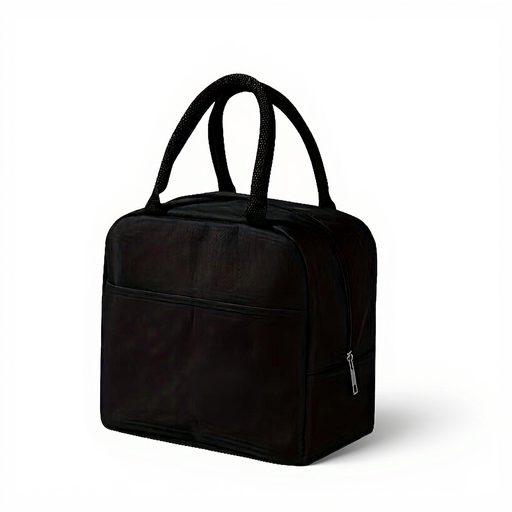
Why this model fits: Ideal for students or professionals looking for a lightweight and fashionable solution for carrying their daily meals. The bag offers enough space for a lunch box and snacks, keeping the contents fresh during transit.
This product is an insulated lunch bag, not a high-performance thermal container. It avoids the pitfall of exaggerated insulation claims by focusing on short-term freshness and transport, not on keeping food hot for hours.
Lightweight, easy-to-clean material and an attractive design make it a practical everyday accessory.

Why this model fits: For users who prioritise maximum performance and durability. The vacuum insulation and high-grade 316 stainless steel ensure reliable temperature retention and hygiene, ideal for soups, stews, or curries.
This model addresses the pitfalls of inferior materials and leakage. The 316 stainless steel is corrosion-resistant and flavour-neutral, while the tight seal prevents spills.
Reliable vacuum insulation and the use of 316 stainless steel for superior durability. The wide mouth makes filling, eating, and cleaning easy.
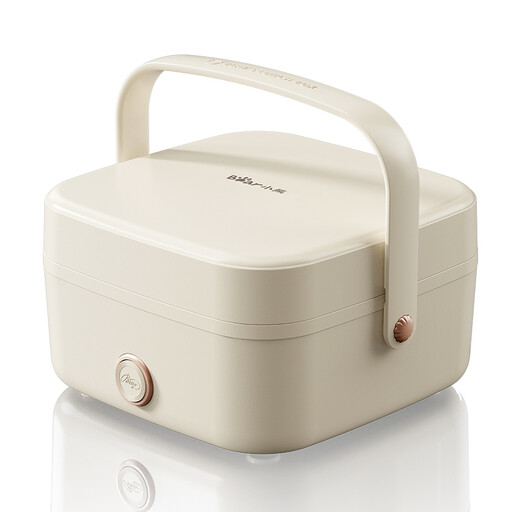
Why this model fits: The perfect solution for anyone who has a power outlet at work but no microwave. Instead of relying on passive insulation, this box actively heats the meal, ensuring a hot lunch.
This product completely bypasses the problem of diminishing heat. Instead of just retaining warmth, it generates it on demand. The result is a reliably hot meal, regardless of transport time.
Active, waterless heating up to 70°C at the touch of a button. The inner container is non-stick and removable, which simplifies cleaning.
We have compiled a complete, up-to-date list of products that fully meet these strict selection criteria and relevant safety standards.
To prevent odours and bacteria growth, the container should be cleaned thoroughly after each use. Wash it by hand with warm water and mild dish soap. Pay special attention to the gasket in the lid; if possible, remove it and clean it separately. Let all parts air dry completely before reassembling and storing the container.
No, stainless steel containers should never be put in the microwave, as this can cause sparks and damage the appliance. Some models have removable plastic inserts that may be microwave-safe. Always check the manufacturer's instructions for this. An electric lunch box is a safe alternative for heating without a microwave.
Both are high-quality, food-grade types of stainless steel. 304 stainless steel (18% chromium, 8% nickel) is the common standard and offers very good rust resistance. 316 stainless steel also contains molybdenum, which makes it even more resistant to corrosion from salts and acids. For daily use, 304 stainless steel is usually sufficient, but for frequent contact with heavily seasoned or salty foods, 316 stainless steel offers greater longevity.