
Lieferung heute & morgen

Qualitätsgarantie

Willkommens-Angebote freischalten: KOSTENLOSE Lieferung | Bis zu 80 % RABATT | Kostenlose 30-Tage-JoyPlus-Testphase
App herunterladen
A warm, home-cooked lunch can make a long day at the office or university significantly more enjoyable. But without access to a cafeteria or microwave, packed meals quickly lose their temperature and flavour. An insulated lunch box that keeps food warm is a practical solution.
This article serves as your guide. We'll introduce different types of lunch boxes, from passively insulated thermal containers to actively heated models. Our goal is to give you the information you need to make an informed choice for your daily work lunches or meals on the go.
The selection of models is vast. To find the right solution for you, consider a few key features.
First, consider how you want to keep your food warm. There are two basic principles:
The material affects durability, weight, and insulation properties. A stainless steel lunch box is robust, flavour-neutral, and often provides excellent insulation performance. Plastic models are lighter but may not always be suitable for very hot foods.
A crucial criterion is how well it seals. A leak-proof lunch box is essential if you plan to transport soups, stews, or dishes with sauce. Look for high-quality gaskets in the lid and a secure locking mechanism. Easy cleaning, ideally with dishwasher-safe parts, simplifies daily use.
Do you want to keep different components of your meal separate to prevent flavours and textures from mixing? Then a lunch box with compartments or a bento box for adults is an excellent choice. These models offer separate sections for the main course, side dishes, and salad. The volume should be designed for a full-sized meal, with capacities between 1.0 and 1.5 litres being sufficient for most adults.
Based on the criteria mentioned, we have compiled a selection of products that cover a range of needs.

Why It Stands Out: This thermal food container relies on classic vacuum insulation and a large capacity. It's designed for transporting warm meals when no power source is available.
Pros:
Who It's For: Ideal for field staff, tradespeople, or for outings where there is no access to a microwave or power outlet.
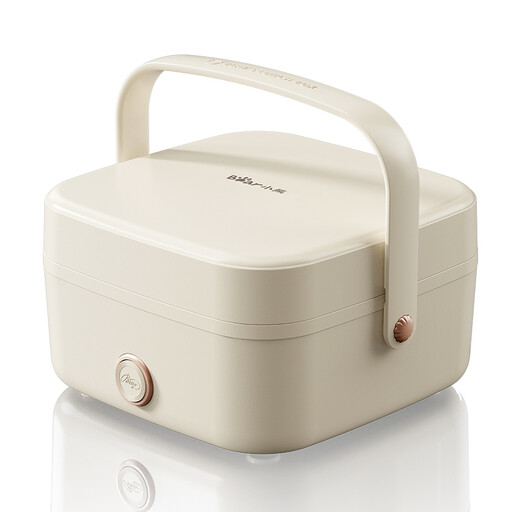
Why It Stands Out: This electric lunch box actively heats food without needing any added water. It's a modern solution for a hot lunch in the office or anywhere with a power connection.
Pros:
Who It's For: Perfect for office professionals, students, and commuters who have access to a power outlet and prefer a freshly heated meal.
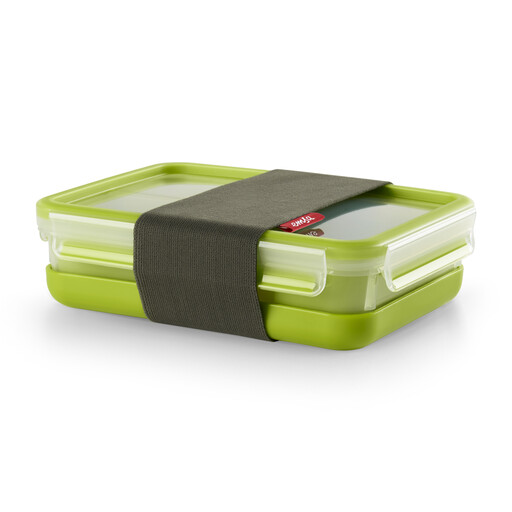
Why It Stands Out: The Emsa Clip & Go is not a thermal box but a versatile transport solution for meals that will be heated on-site in a microwave. Its strength lies in its clever compartmentalisation.
Pros:
Who It's For: For people who have a microwave available at their workplace or university and value keeping their food items neatly separated.
The products featured here cover common use cases. However, if you're looking for more specialised solutions or different sizes and materials, there is an even greater variety to explore.
For a wider selection of containers that reliably maintain food temperatures, explore our Insulated Food Pan Carriers category.
The duration depends on several factors: the quality of the insulation, the ambient temperature, the initial temperature of the food, and how full the container is. High-quality models can keep food warm for 4 to 8 hours. Preheating the container with hot water before filling it can further improve performance.
No, metal containers, including a stainless steel lunch box, must never be put in the microwave. The metal reflects microwaves, which can cause arcing and damage the appliance. An electric lunch box is also not suitable for the microwave, as it contains its own heating electronics.
Cleaning an electric lunch box requires care. Typically, the inner container that holds the food is removable and can be cleaned separately by hand or, if specified by the manufacturer, in the dishwasher. The outer casing with the electronics and heating element must not be submerged in water. It should only be wiped down with a damp cloth. Always follow the manufacturer's specific instructions.